

Pita bread is a soft Mediterranean and Middle Eastern flatbread made from flour, water, yeast, and salt.
Its pocket makes it perfect for fillings like falafel, vegetables, chicken, and hummus. But is pita bread healthy? The answer depends on the type of flour used, portion size, and what you pair it with.
This article covers pita calories, nutrition facts, and how white compares to whole wheat. It also covers how pita stacks up against naan and other popular breads.
Is Pita Bread Healthy?
Pita bread can be a healthy addition to a balanced diet, especially when you choose whole wheat varieties and pair them with protein, vegetables, and healthy fats.
| Health Factor | Whole Wheat Pita (~60–64g) | White Pita (~60g) |
|---|---|---|
| Main Ingredient | Whole wheat flour | Refined wheat flour |
| Calories | ~160–170 kcal | ~165 kcal |
| Carbohydrates | ~33–35g | ~33g |
| Protein | ~5.5–6.5g | ~5–5.5g |
| Total Fat | ~1–1.5g | ~1g |
| Dietary Fiber | ~4–5g | ~1–2g |
| Cholesterol | 0mg | 0mg |
| Blood Sugar Response | Higher fiber may help slow carbohydrate absorption | Lower fiber is generally digested more quickly |
| Best For | Everyday meals, higher fullness, better nutrient intake | Occasional use or when whole wheat is not available |
Overall, whole wheat pita gives you more nutrients for the same number of calories. That makes it a more filling and satisfying option for everyday eating.
White Pita Vs Whole Wheat Pita

White pita and whole wheat pita may look identical from the outside. Their nutritional profiles are noticeably different, though. Whole wheat pita uses flour that keeps the bran and germ of the wheat grain.
These parts supply fiber, vitamins, and minerals that support good health. White pita uses refined flour, and most of those natural components are removed during processing.
A whole wheat pita provides around 4 to 5 grams of fiber per serving. White pita typically contains closer to 1 gram. Both varieties usually deliver similar amounts of protein.
If better digestion, improved fullness, or steadier energy matters to you, whole wheat pita is the stronger option. Reading the label before buying helps you choose a pita that fits your health goals.
Pita vs Naan: Which Is the Lighter Choice?

Pita bread and naan are both popular flatbreads, but their ingredients and nutrition differ quite a bit. Naan typically uses yogurt, butter, milk, or ghee during preparation.
Pita keeps things simple with just flour, water, yeast, and salt. A standard 90-gram naan serving contains around 260 calories. A medium 60-gram pita generally contains around 165 calories.
Naan also tends to carry more saturated fat because of the dairy ingredients used. Pita remains the lighter choice for people managing calories or limiting saturated fat.
| Nutrient | Pita Bread (60g) | Naan (90g) |
|---|---|---|
| Calories | Around 165 calories | Around 260 calories |
| Carbohydrates | Around 33g | Around 45g |
| Protein | 5 to 6g | 8 to 9g |
| Fat | Around 1g | Around 5g |
| Saturated Fat | Very low | Higher due to added dairy |
| Fiber | 1 to 5g depending on type | Usually lower |
| Best Choice For | Lower calories and higher fiber | Rich flavor and softer texture |
Pita Bread Vs Other Breads
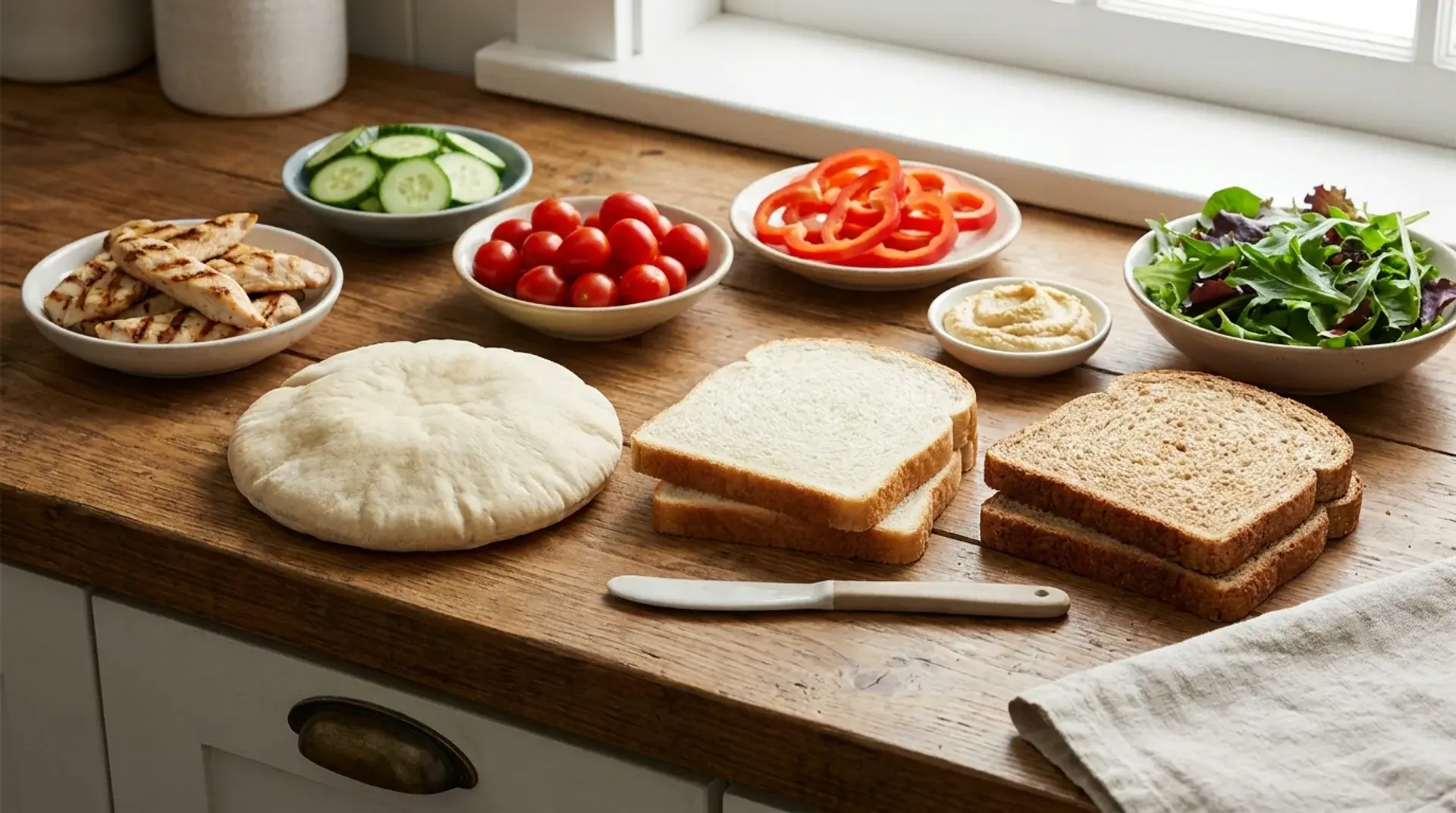
Pita bread compares well with many common bread options. A typical slice of white sandwich bread contains around 70 to 80 calories. Most sandwiches need two slices, putting the total at 140 to 160 calories.
One medium pita can replace those two slices within the same calorie range. Whole wheat sandwich bread and whole wheat pita are fairly similar in overall nutrition. Both provide fiber and complex carbohydrates that support steady energy throughout the day.
The biggest difference often comes down to how much you eat and what you add alongside it. Pita’s pocket shape encourages measured portions.
You can fill it with vegetables, protein, and a small amount of sauce without going overboard. Instead, look at the full meal and choose options that fit your daily nutritional needs.
Healthy Pita Bread Recipes To Try
Pita bread works across many different meals because of its pocket design. Choosing whole wheat pita and filling it with protein, vegetables, and healthy fats increases both nutrition and satisfaction. Here are five easy ideas to get you started.
1. Grilled Chicken Pita With Fresh Mediterranean Flavors
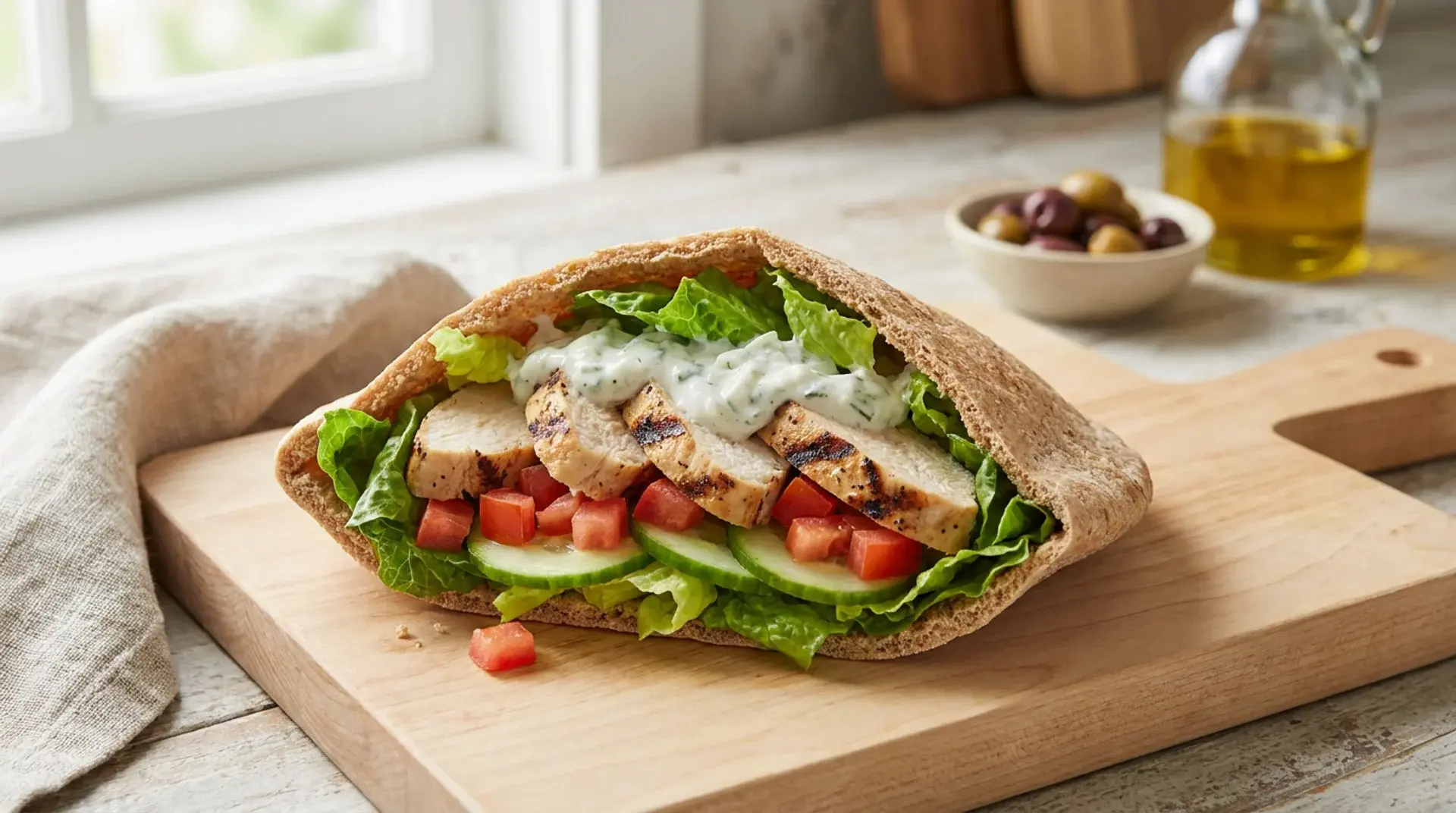
Pita bread works across many different meals because of its pocket design. Choosing whole wheat pita and filling it with protein, vegetables, and healthy fats increases both nutrition and satisfaction. Here are five easy ideas to get you started.
Video Recommendation: Grilled Chicken Pita Recipe
2. Classic Falafel Pita For A Fiber-Rich Vegetarian Meal

Fill warm pita bread with crispy falafel, shredded lettuce, tomatoes, onions, cucumbers, and creamy hummus. Chickpea-based falafel provides protein and dietary fiber. The vegetables add freshness and nutrients. Squeeze a little lemon over the top or drizzle tahini for extra Mediterranean flavor.
Video Recommendation: Classic Falafel Pita Recipe
3. Mediterranean Veggie Pita Loaded With Fresh Ingredients
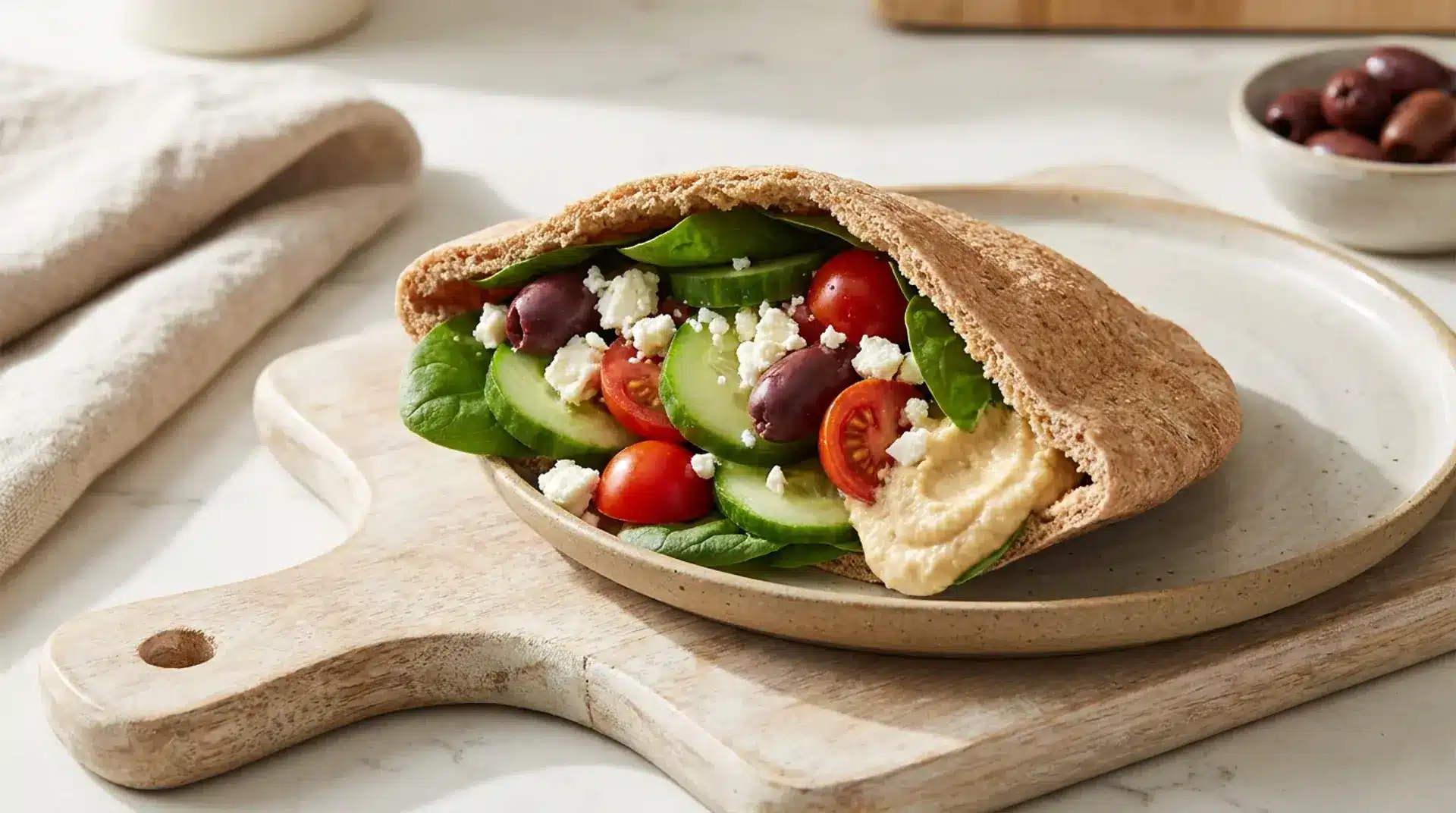
Fill a whole wheat pita with spinach, cucumber, cherry tomatoes, olives, feta cheese, and hummus. This combination offers fiber, healthy fats, vitamins, and minerals while staying light and filling. Add roasted vegetables or chickpeas to increase protein and overall nutritional value.
Video Recommendation: Mediterranean Veggie Pita Recipe
4. Protein-Packed Breakfast Pita To Start Your Morning

Replace your regular toast with a toasted pita. Stuff it with scrambled eggs, spinach, sliced avocado, and a sprinkle of cheese. Eggs provide high-quality protein. Avocado contributes heart-healthy fats that help keep you full through the morning. This quick option delivers steady energy for busy days.
Video Recommendation: Pita Breakfast Recipe
5. Homemade Baked Pita Chips For A Healthier Snack

Cut pita bread into triangles and brush each piece lightly with olive oil. Season with herbs or spices and bake until golden and crisp. These homemade chips contain less fat than many fried snack options. Pair them with hummus, tzatziki, or Greek yogurt dip for a simple and satisfying snack.
Video Recommendation: Homemade Baked Pita Chips Recipes
Where To Buy The Best Fresh Pita Bread Online?
If you prefer ready-made pita bread, it’s best to purchase from established bakeries that specialize in authentic flatbreads. Look for whole wheat options with simple ingredient lists and minimal additives.
Some trusted brands include:
- Joseph’s Bakery: Offers classic, whole wheat, and high-fiber pita breads, with online ordering and a store locator.
- Toufayan Bakeries: One of the oldest pita bread bakeries, offering white, whole wheat, multigrain, and specialty pita varieties.
- Angel Bakeries: Produces preservative-free pita breads, including whole wheat and ancient grain options, with a store locator for North American retailers.
When buying online or in-store, compare nutrition labels and choose pita bread made with whole wheat flour, at least 3 grams of fiber per serving, and a short, recognizable ingredient list for the healthiest option.
Does Pita Bread Cause Weight Gain?
Pita bread does not directly cause weight gain. Changes in body weight depend on total calorie intake, activity levels, and overall eating habits.
Like any carbohydrate source, pita can add up when eaten in large amounts without attention to portions. Whole wheat pita may support weight management.
Its higher fiber content keeps you full and reduces snacking between meals. White pita offers fewer nutrients and less fiber. It can still be included occasionally within a balanced diet.
Eating one pita per meal alongside a good protein source and vegetables creates a satisfying and complete meal. Keep the following portion tips in mind to stay on track.
- Choose one pita per meal and pair it with protein and vegetables.
- Fill more of the pocket with vegetables to feel fuller for longer.
- Avoid excessive sauces and high-calorie fillings.
- Balance pita intake with the rest of your daily meals.
How to Choose a Healthier Pita Bread
Not every pita bread on store shelves provides the same level of nutrition. Checking the label before you buy makes a real difference. The first ingredient should be whole wheat flour. That indicates the product keeps more of the original grain. Compare fiber content, protein levels, sodium amounts, and serving sizes between different brands.
A healthier pita generally provides at least 3 grams of fiber and around 5 grams of protein per serving. Front-of-package labels like “multigrain” or “healthy” do not always mean better nutrition. Reading both the ingredient list and nutrition panel together gives you a more accurate picture of what you’re buying.
Disclaimer: This article is for informational purposes only. It is not a substitute for professional medical or dietary advice. Speak with a registered dietitian or healthcare provider before making major changes to your diet.
Final Thoughts
So, is pita bread healthy? Whole wheat pita is one of the most practical choices you can make for daily meals. It gives you fiber, protein, and steady energy in a simple flatbread. White pita works fine occasionally, but it offers less fiber than the whole grain version.
Against naan, pita stays the lighter option for daily use. Your best move is to check the label and pick whole wheat when possible.
Fill your pita with vegetables and a good protein source for a complete meal. Small choices like these make a real difference in your eating habits over time.
Frequently Asked Questions
Can pita bread be part of a healthy diet?
Yes. Pita fits into a healthy diet when paired with vegetables, protein, and healthy fats. Whole wheat varieties offer the most nutritional value. Results depend on portion size and your overall daily food choices.
How many calories are in a pita bread?
A medium 60-gram pita contains around 165 calories. A whole wheat pita of the same size provides 160 to 170 calories. Calorie counts vary slightly by brand, so checking the label is the most accurate approach.
Is pita bread better than white rice?
Both provide carbohydrates. Whole wheat pita typically offers more fiber than white rice, which supports better fullness. The healthier choice depends on your portion size and overall eating habits.
Why is whole wheat pita considered healthier than white pita?
Whole wheat pita retains the bran and germ of the wheat grain, which adds fiber, vitamins, and minerals. This extra fiber supports digestion and helps you stay full longer.
Does eating pita bread daily have any benefits?
Eating whole wheat pita daily can supply steady energy and dietary fiber. Pair it with protein and vegetables for the most nutritional benefit per meal.
Is pita bread good for weight loss?
Pita bread can support weight management when you choose whole wheat and watch portions. Its fiber content helps reduce hunger between meals. Avoid high-calorie fillings to keep the overall meal balanced.