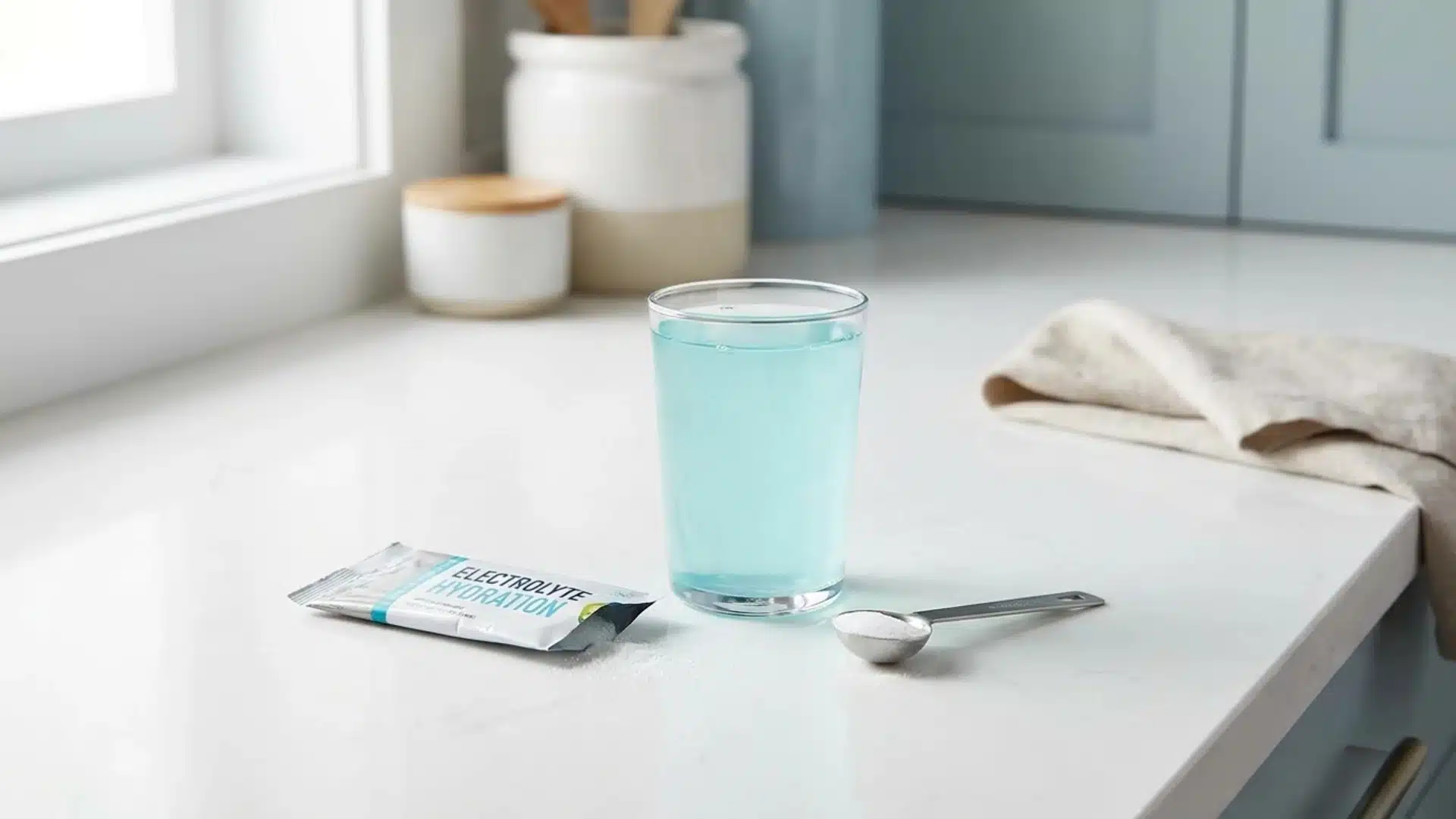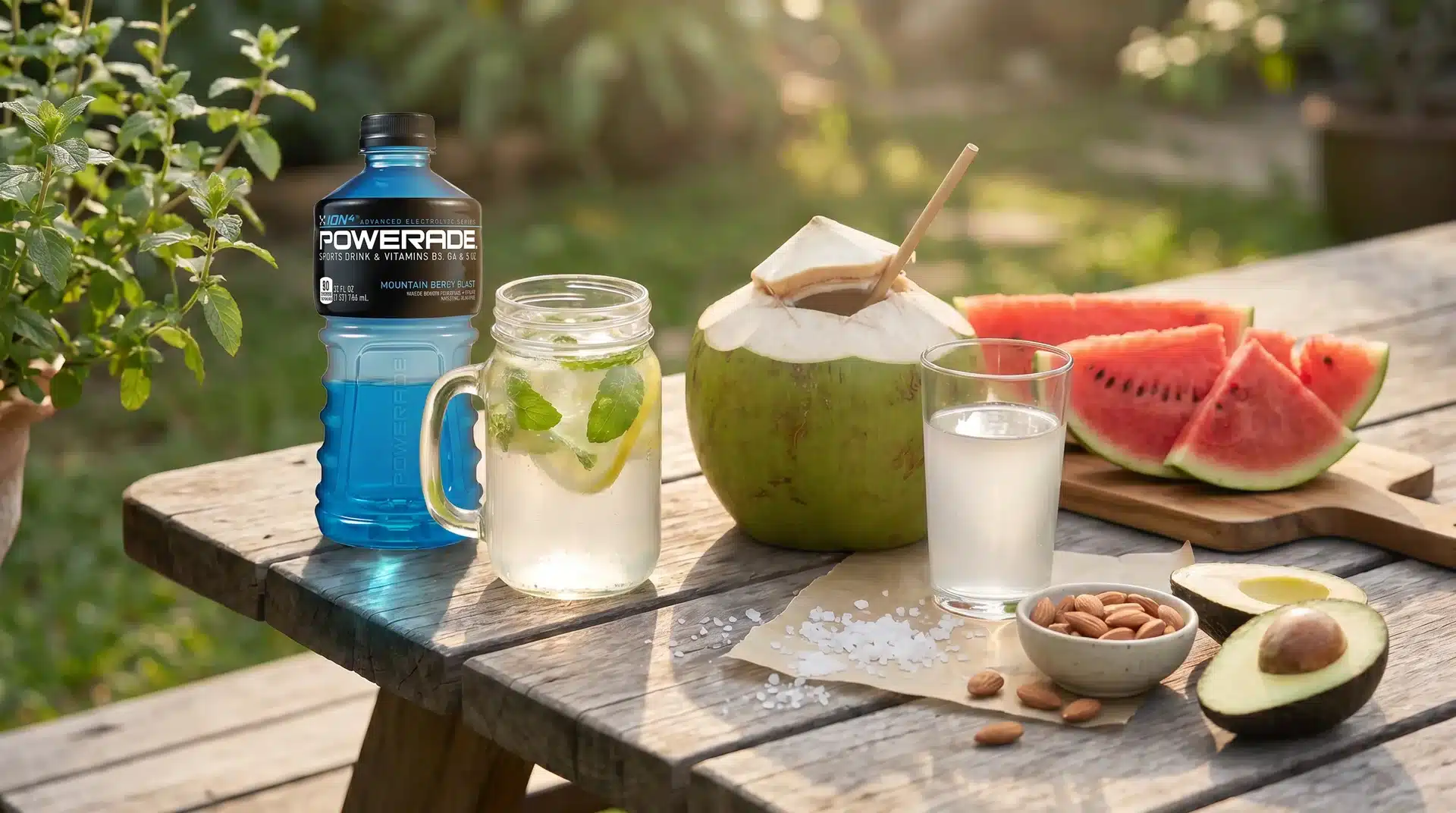
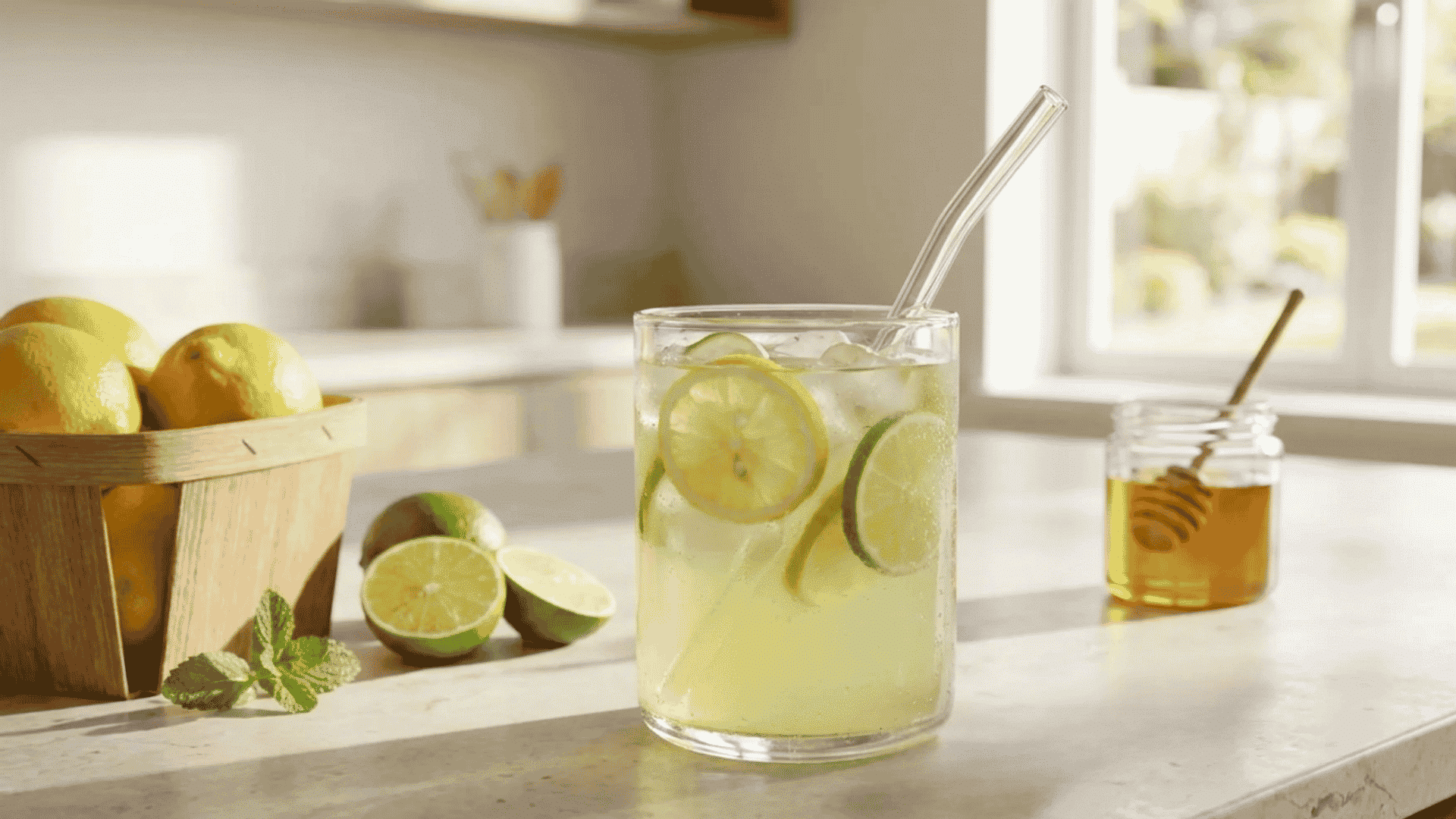
Sweat causes more than water loss. It also lowers key electrolytes like sodium and potassium, which help regulate hydration, muscles, and nerves. A homemade electrolyte drink can replace these minerals without the added ingredients found in many commercial options.
This guide covers a simple recipe, useful variations, and special options for different needs, including fasting and pet safety.
What Are Electrolytes and Why Do You Lose Them?
Electrolytes are minerals that carry an electric charge when dissolved in body fluids. The main ones are sodium, potassium, magnesium, and calcium.
They support muscle contraction, nerve signals, heart rhythm, and fluid balance. Every time you sweat, some of those minerals leave with the water.
Drinking plain water replaces the fluid but not the minerals. That is why electrolyte drinks exist.
The small amount of sugar in most recipes matters too. It speeds up how fast your gut absorbs water and minerals. That is why an electrolyte drink rehydrates you faster than water alone, according to CDC hydration guidance.
How to Make an At-Home Electrolyte Drink
Making an at-home electrolyte drink takes four ingredients and about two minutes.
Ingredients
| Ingredient | Amount |
|---|---|
| Water | 4 cups (1 liter) |
| Sea salt or table salt | 1/4 teaspoon |
| Fresh lemon or lime juice | 2 tablespoons |
| Orange juice | 2 tablespoons |
| Honey or maple syrup | 1 to 2 tablespoons |
Steps
- Pour 4 cups of water into a pitcher or large jar. Use cold water if you plan to drink it right away.
- Add 1/4 teaspoon of salt. Stir for 30 seconds until fully dissolved so you do not end up with a grainy layer at the bottom.
- Squeeze in 2 tablespoons of fresh lemon or lime juice. Fresh juice works better than bottled. It carries more flavor and a little more potassium.
- Add 2 tablespoons of orange juice. This boosts the potassium content and softens the tartness from the lemon or lime.
- Stir in 1 to 2 tablespoons of honey or maple syrup. Start with 1 tablespoon, then add more if you want a sweeter drink.
- Taste the mix. If it tastes too salty, add a splash more water. If it tastes flat, add a bit more citrus.
- Chill or serve over ice. It keeps well in a sealed jar for up to 2 days in the fridge.
Homemade Electrolyte Drink Variations for Different Needs
The base recipe works well for most situations. These three versions adjust the flavor and mineral balance for specific needs.
1. Coconut Water Electrolyte Drink
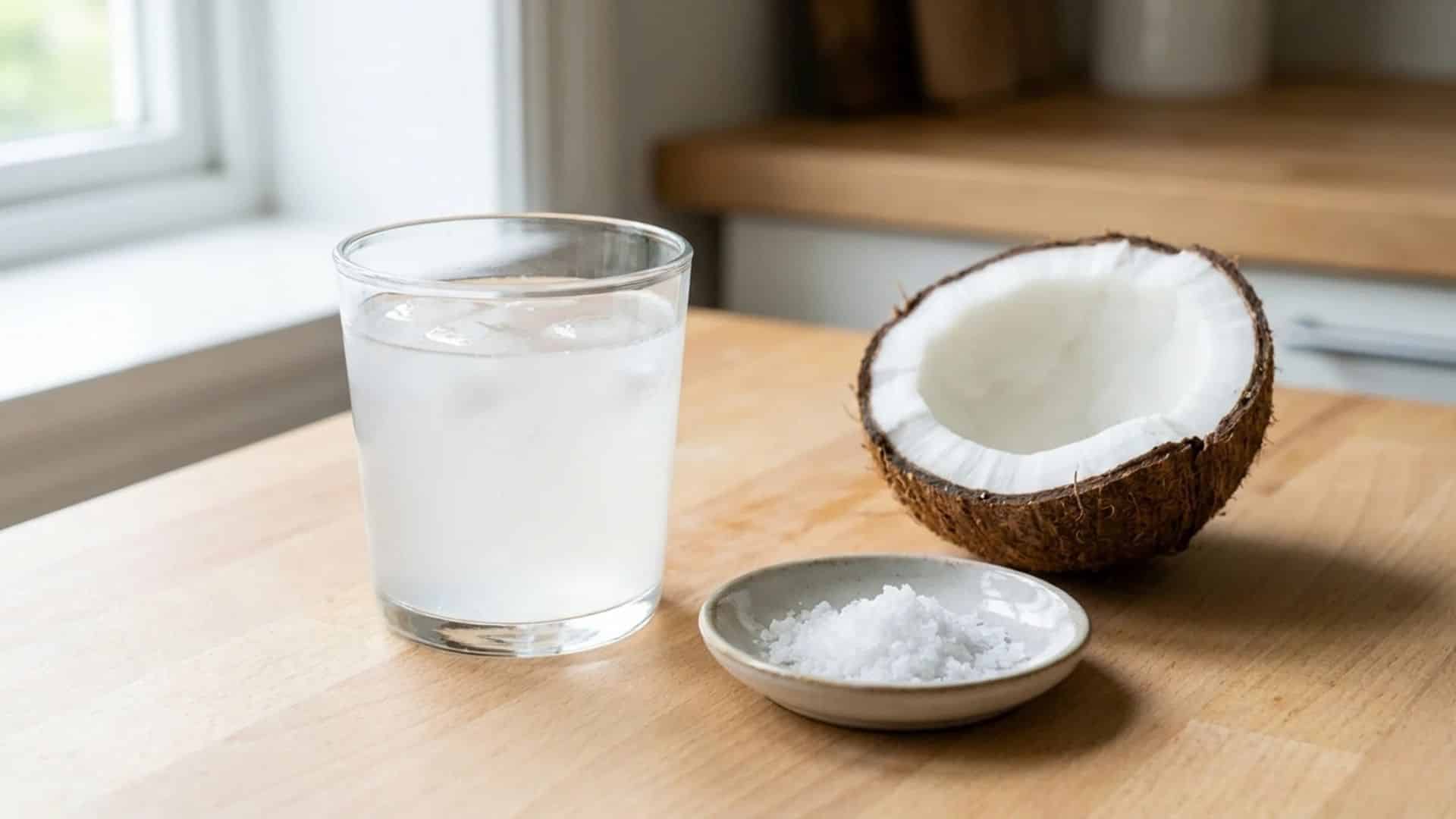
- Coconut water: 4 cups (1 liter)
- Salt: a pinch (about 1/8 teaspoon)
Coconut water already carries potassium and natural sweetness, so this version skips the honey. The pinch of salt makes up for coconut water’s low sodium content. On average, one cup of coconut water provides around 252 mg of sodium and 600 mg of potassium.
This one is the lightest option. It suits mild, everyday hydration well.
2. Citrus Sports Drink Alternative

- Water: 4 cups (1 liter)
- Orange juice: 3 tablespoons
- Lemon juice: 1 tablespoon
- Salt: 1/4 teaspoon
- Honey: 1 tablespoon
This version leans on citrus for both potassium and flavor. It lands close to a store-bought sports drink without the added dyes.
It works well before or during a workout, when you want a little natural sugar alongside your minerals. Pairing it with the right food helps too.
3. Ginger Electrolyte Drink

- Water: 4 cups (1 liter)
- Salt: 1/4 teaspoon
- Lemon or lime juice: 2 tablespoons
- Honey: 1 tablespoon
- Fresh grated ginger: 1 teaspoon (or 1 tablespoon ginger juice)
Ginger adds a warm, spicy note and a soothing flavor, especially when the stomach feels unsettled.
That makes this version easier to keep down during a stomach bug, when plain sports drinks can taste too sweet.
How to Customize Your Homemade Electrolyte Drink?
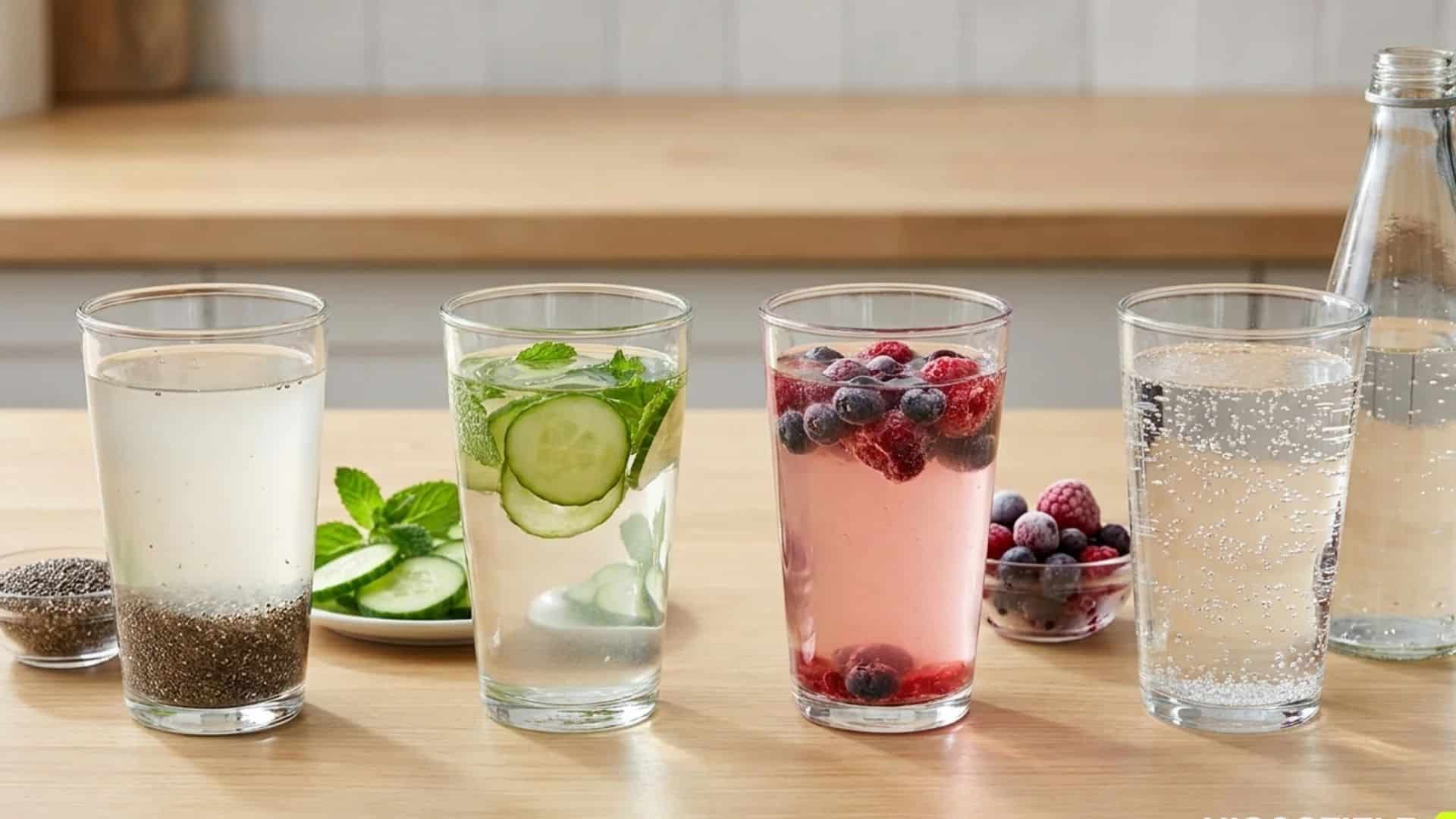
Once you have the base down, a few small additions change the texture, taste, or how long the drink stays fresh.
| Addition | How to Use It | What It Does |
|---|---|---|
| Chia or basil seeds | Stir in 1 teaspoon and let sit for 10 minutes | Adds slight thickness and a slow release of hydration |
| Fresh herbs or cucumber | Muddle mint or basil, or add a few cucumber slices | Brings flavor without added sugar |
| Frozen fruit | Drop in frozen berries, watermelon chunks, or peach slices | Works as flavor and ice at the same time |
| Sparkling water | Top off your glass right before serving | Adds fizz. Add it last so the drink stays bubbly. |
Homemade Electrolyte Drink for Fasting
You can drink electrolytes during intermittent fasting. The key is to keep the recipe zero-calorie so it doesn’t raise blood sugar or break your fast.
Sugar, honey, juice, and maple syrup all contain calories. Even a small amount can trigger an insulin response and interrupt the fast. Leave those out entirely for a strict, fasting-safe version.
Fasting-Safe Electrolyte Drink Recipe
- Water: 4 cups (1 liter)
- Salt: 1/4 to 1/2 teaspoon
- Potassium chloride (sold as No Salt or Nu-Salt): 1/8 teaspoon (optional but useful for longer fasts)
Stir until dissolved. Sip it throughout the day rather than all at once.
What to Know Before You Use It
- Fasts over 24 hours deplete electrolytes faster. A fasting electrolyte drink becomes more important as the fast lengthens.
- Heat and exercise increase sodium loss through sweat. If you fast in a hot climate or stay active, you may need two servings per day.
- Drinking plain water without electrolytes during a fast can dilute the sodium left in your blood. A pinch of salt in your water helps your cells hold onto fluid more effectively.
- Kidney disease, heart conditions, or blood pressure issues: Speak with a doctor before adding electrolyte supplements to a fasting routine.
Many people use electrolytes during intermittent fasting to reduce headaches, fatigue, and cramps. These are common signs that minerals are running low.
Homemade Electrolyte Drink for Dogs
Dogs lose electrolytes through vomiting, diarrhea, heat, and heavy activity, just like humans do. A simple homemade electrolyte solution can help with mild dehydration at home.
This is for mild cases only. Severe dehydration, prolonged vomiting, blood in stool, collapse, or extreme weakness all require a vet visit, not a home remedy.
Simple Dog Electrolyte Drink Recipe
- Water: 4 cups (1 liter)
- Salt: 1/4 teaspoon
- Sugar: 1 tablespoon
Stir until fully dissolved. Serve at room temperature or slightly cool. Offer small amounts throughout the day rather than a full bowl at once. Use within 24 hours.
For flavor, you can substitute 1 to 2 tablespoons of plain, unsalted chicken broth for the sugar. This works well for dogs that refuse to drink plain water.
What to Avoid in a Dog Electrolyte Drink
- Xylitol is highly toxic to dogs. It appears in some “sugar-free” products. Even a small amount can cause dangerous drops in blood sugar.
- Citrus juice can upset a dog’s stomach. Skip the lemon and lime entirely.
- Honey is high in sugar and not recommended in large amounts for dogs.
- Human sports drinks like Gatorade are not safe. They contain artificial dyes, high sugar content, and sometimes xylitol.
- Too much salt can cause vomiting, confusion, and kidney problems. Stick to the amount listed above.
Offer the electrolyte solution in a separate bowl alongside their regular water. Let your dog choose how much to drink. If symptoms worsen or your dog refuses all fluids for more than a day, contact your vet.
When Is an Electrolyte Drink Helpful?
The best time to reach for an electrolyte drink is when fluid loss is happening faster than usual.
Heat and exercise top the list. Reach for one after a hard workout, a long run in the heat, or a full day outdoors in summer.
Illness is the other trigger. Vomiting, diarrhea, and fever all drain fluid quickly. A fever adds extra sweat loss on top of that.
Alcohol counts too. It dehydrates you as your body processes it, which is why an electrolyte drink helps the morning after.
- Hard exercise or heavy sweating
- Illness with vomiting or diarrhea
- Headaches, fatigue, or cramps tied to low electrolytes
- Extended intermittent fasting
- Hot weather outdoor work or activity
- Morning after alcohol
Homemade Electrolyte Drink vs Sports Drinks vs ORS
Not every situation calls for the same type of drink. Here is how to choose based on what is happening.
| Type of Drink | Best Used For | Main Downside |
|---|---|---|
| At-home electrolyte drink | Mild fluid loss, everyday hydration, fasting | Takes a few minutes to prepare |
| Sports drinks (Gatorade, Powerade) | Longer exercise sessions (60+ minutes) | High sugar, artificial dyes, costly |
| ORS (Pedialyte, WHO formula) | Medical dehydration, severe illness | Not needed for everyday use |
For most everyday situations, the homemade version covers what you need without the extra cost or additives. You can also compare other electrolyte drinks to find what best fits your routine.
Make Your At-Home Electrolyte Drink Work for You
An at-home electrolyte drink is simple to customize. Start with the base recipe, then adjust ingredients based on your taste and hydration needs.
Try coconut water for extra potassium, ginger for a soothing option, or a simpler version for fasting. Just avoid overdoing the salt, since the right balance matters.
Keep the ingredients ready so you can make a fresh batch whenever plain water is not enough. Which variation will you try first? Share it below.
Frequently Asked Questions
Can I just drink salt water for electrolytes?
Salt water gives sodium but skips potassium and magnesium. It works in a pinch, but a full electrolyte drink balances more minerals and works better for real dehydration.
Why shouldn’t you drink electrolytes every day?
Too many electrolytes daily can push your sodium intake too high and strain your kidneys. Use them after heavy sweating, illness, or intense exercise, not as a daily habit.
What are the signs of too many electrolytes?
Signs include nausea, muscle weakness, an irregular heartbeat, confusion, and swelling. Severe cases can affect heart rhythm. See a doctor if symptoms feel serious.
Does a homemade electrolyte drink break a fast?
Only if it contains sugar, honey, juice, or calories. A zero-calorie version made with water and salt does not break a fast and is safe during intermittent fasting.
Is Gatorade safe for dogs?
No. Gatorade contains sugar, artificial dyes, and sometimes sweeteners that are unsafe for dogs. Use a plain homemade version made with water, salt, and a small amount of sugar only.
How long does a homemade electrolyte drink last?
Up to 2 days in a sealed jar in the fridge for the human version. The dog version should be used within 24 hours. Natural separation is normal. Give it a quick stir before drinking.