
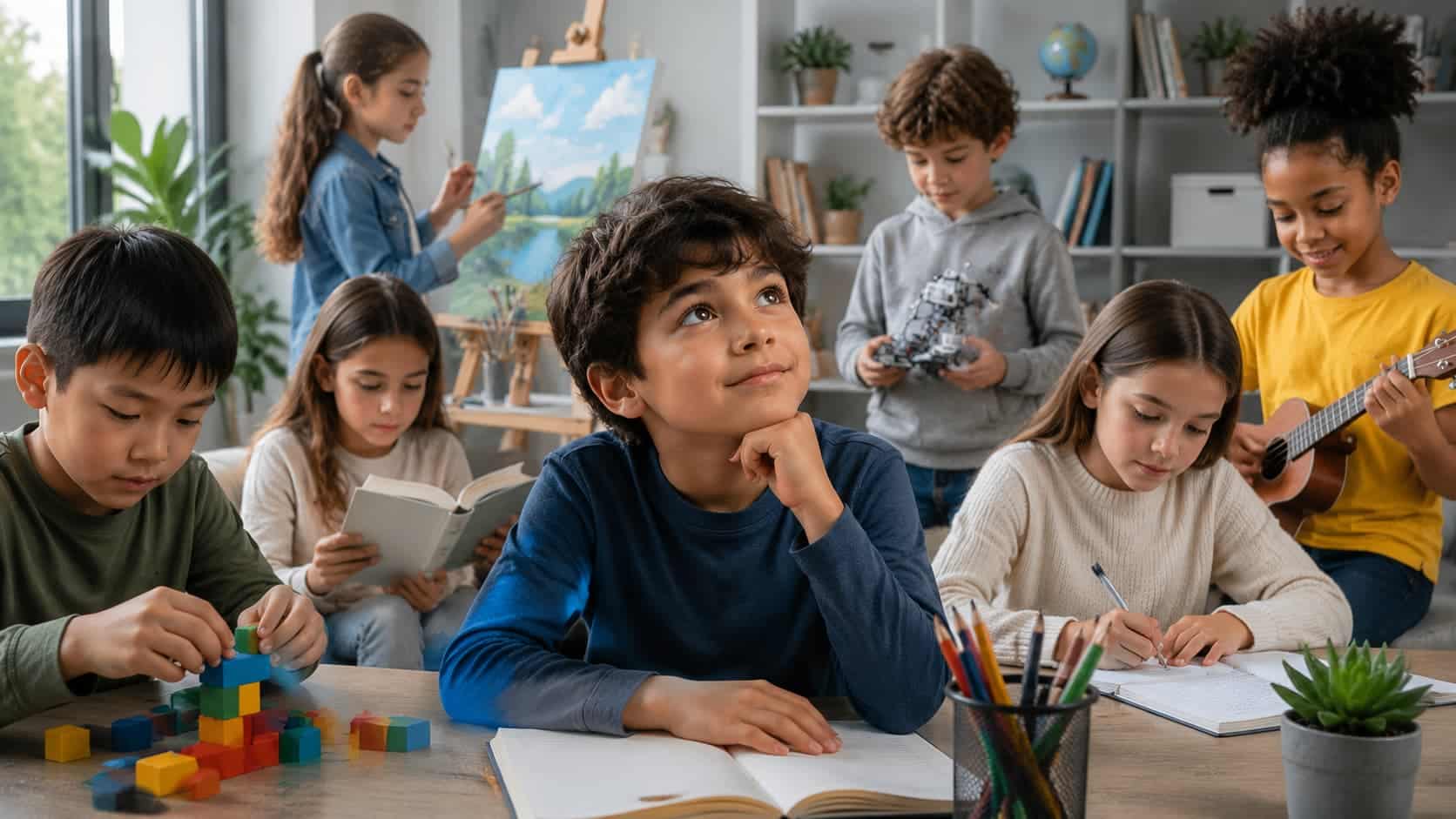
Every child is good at something. The challenge is knowing what to call it. You might notice your child remembers every fact from a documentary, yet struggles to sit still.
Another child talks through problems with real ease. A third builds things for hours without losing interest. These are not accidents. They are signs of a child’s strengths showing up in real life.
This post provides a comprehensive, categorized list of a child’s strengths by type, age group, and practical use. You will learn how to spot them, name them clearly, and support them in the ways that actually help.
What Are a Child’s Strengths?
A child’s strengths are natural patterns of behavior, thinking, and feeling. They show up repeatedly, across different situations, without much effort. They are not skills a child was taught. They are tendencies a child was born with and continues to build on.
Positive psychologist Martin Seligman helped form the foundation of the VIA Institute on Character. His work describes character strengths as positive traits that shape how a person thinks, feels, and behaves. For children, this applies across many domains, not just personality.
A child who always steps up to help others, always asks why, or always organizes their space by category is showing a strength. You may not have put a label on it yet. But it is there.
Full List of Child’s Strengths by Category
Here is a complete, numbered list of over 100 children’s strengths across all eight categories. The numbering runs continuously from start to finish, so you can use this as a single reference.
Cognitive Strengths List
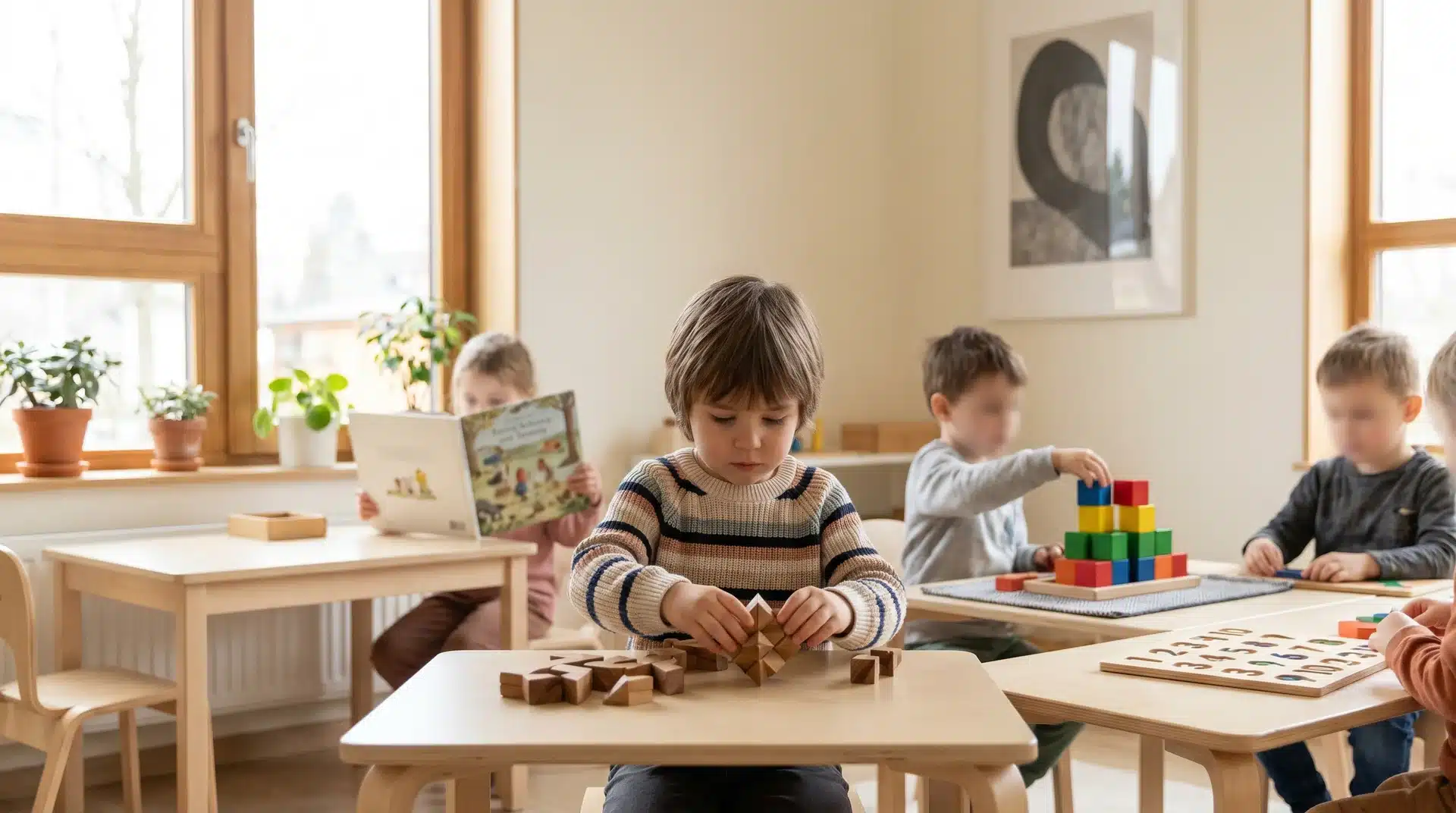
These strengths show how children think, learn, and solve problems in everyday situations, including academic strengths in structured learning.
- Strong memory: Recalls facts, sequences, and instructions with minimal repetition needed.
- Logical thinking: Spots cause-and-effect relationships naturally and applies them to new situations.
- Pattern recognition: Notices repeating sequences in numbers, words, or events faster than others.
- Problem-solving: Works through obstacles in a step-by-step way, even on the first attempt.
- Analytical thinking breaks large or complex ideas into smaller, manageable parts with ease.
- Focused attention: Stays on a task longer than peers of the same age, especially in areas of interest.
- Spatial awareness: Understands how objects relate in space, often showing strength in puzzles or building.
- Abstract thinking: Grasps ideas that are not concrete, such as fairness, sequence, or time.
- Quick learning: Picks up new concepts with fewer repetitions than most children the same age.
- Critical thinking: Questions information and looks for evidence before accepting a conclusion, even from an authority.
- Mathematical reasoning: Sees relationships between numbers naturally, beyond what was formally taught.
- Sequential thinking follows and creates step-by-step processes with accuracy, often noticing a missing step.
- Research mindset: Asks specific questions and seeks answers on their own without being assigned a direction.
- Strong vocabulary: Uses words precisely and often ahead of their age group in conversation.
- Reading comprehension: Understands and retains what they read well beyond casual surface-level recall.
Social Strengths List
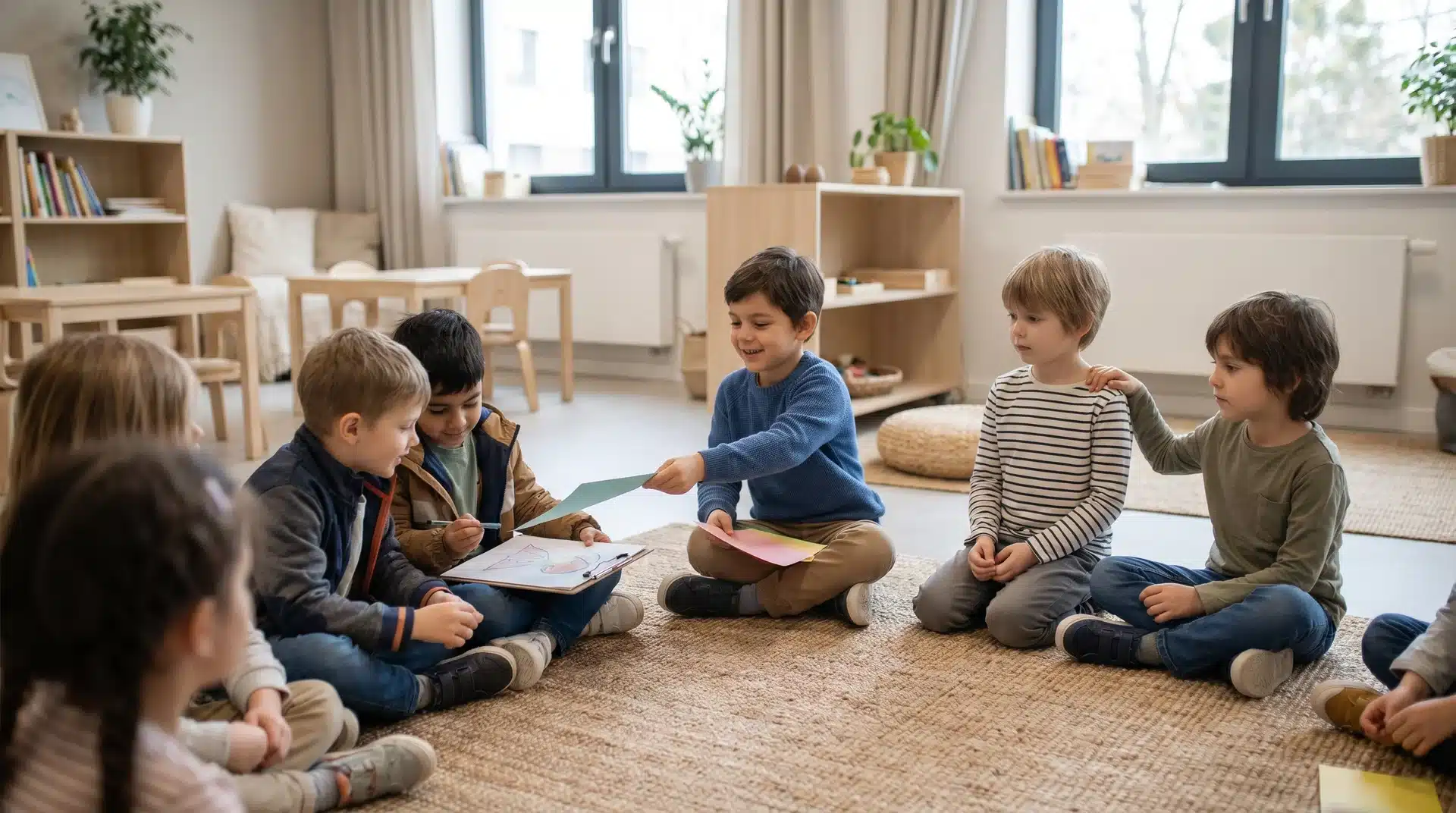
Social strengths highlight how children connect, cooperate, and interact with others around them. They appear in friendships, group activities, and the way a child responds to people and situations.
- Empathy: Picks up on how others feel, often without being told, and responds with care.
- Cooperation: Shares, takes turns, and works well in group settings without generating friction.
- Conflict resolution: Finds calm ways to handle disagreements before they grow into lasting problems.
- Friendliness: Starts and maintains friendships with ease across different settings and age ranges.
- Active listening: Pays genuine attention and responds to what was actually said, not what they assumed.
- Fairness: Notices when treatment feels unequal and speaks up, not just when they personally benefit.
- Inclusion: Naturally invites others who have been left out to join in without prompting.
- Respect for others: Treats peers and adults with consistent courtesy across different environments.
- Wide social reach: Builds connections across different groups and settings with little effort.
- Team mindset: Puts group success ahead of personal recognition and shows that through actions.
- Social cue awareness: Reads body language and tone of voice accurately in most situations.
- Trustworthiness: Keeps promises and maintains confidences in ways that others genuinely rely on.
- Peer mentoring: Helps younger or less experienced children naturally, without needing to be assigned.
- Group adaptability: Adjusts their role based on what the group needs in the moment.
- Genuine interest in people: Asks questions about others and remembers what they shared over time.
Emotional Strengths List
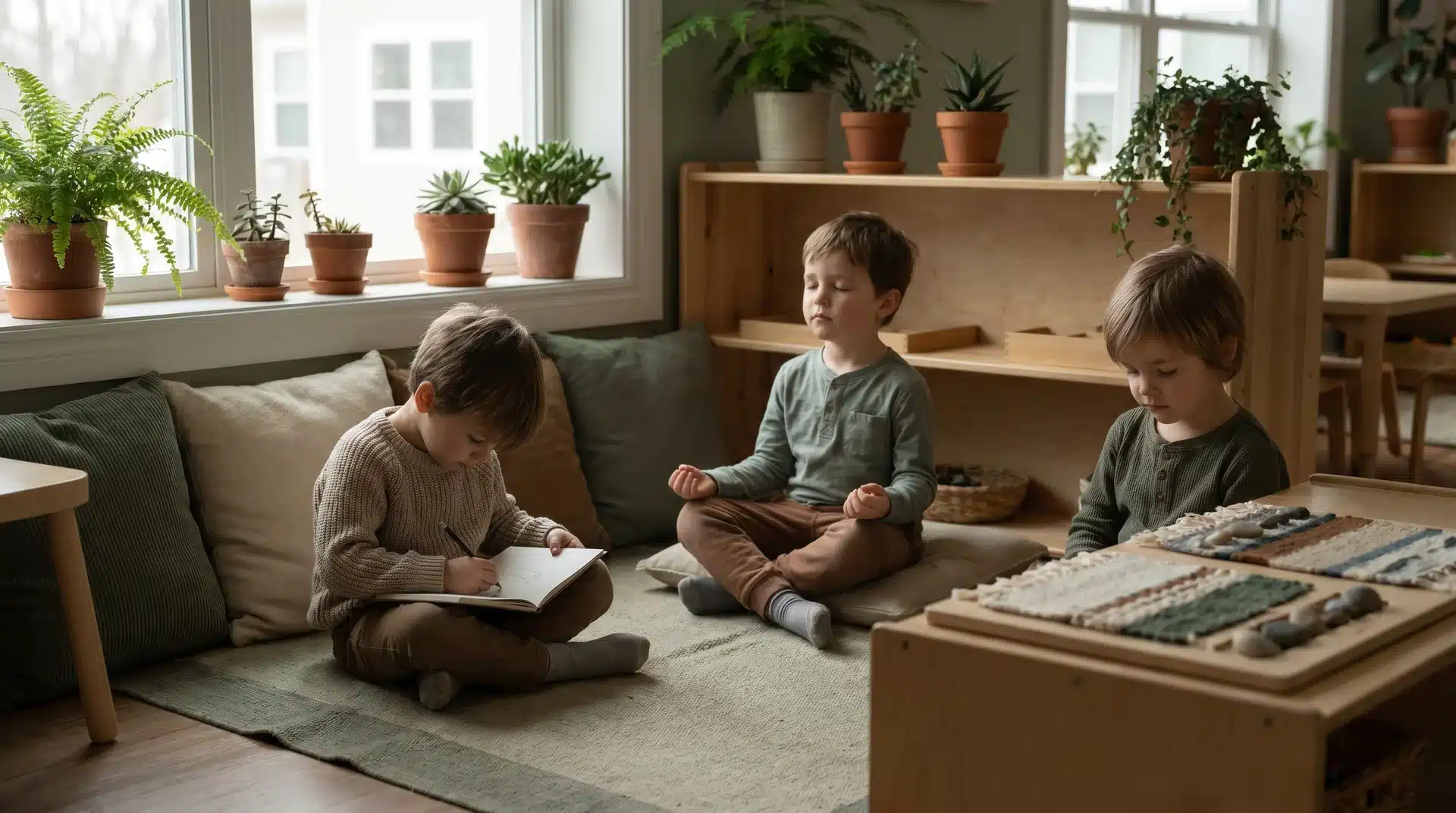
Emotional strengths reflect how a child understands, manages, and expresses their feelings. They show up in resilience, patience, empathy, and the ability to stay balanced during challenges.
- Resilience: Bounces back after disappointment or failure without needing extended recovery time.
- Self-regulation: Manages strong emotions without shutting down or acting out toward others.
- Patience: Waits in situations that frustrate others, without becoming irritable or disruptive.
- Optimism: Finds a positive angle in difficult situations and holds onto it through setbacks.
- Gratitude: Recognizes and expresses appreciation for what they have, without being prompted.
- Self-awareness: Knows their own emotional state and can name it in clear, specific language.
- Courage: Tries new things despite fear or uncertainty rather than consistently avoiding them.
- Compassion: Feels genuine concern for the struggles of others and acts on it, not just observes.
- Forgiveness moves past conflict without holding long-term resentment, even when the hurt was real.
- Perseverance: Keeps going on hard tasks without needing constant encouragement from the adults around them.
- Emotional honesty: Expresses feelings clearly without drama or shutdown, even when the feeling is uncomfortable.
- Steadiness under pressure: Stays calm and functional during stressful situations when others around them are not.
- Acceptance: Handles outcomes they cannot control without extended or unraveling upset.
- Genuine enthusiasm: Brings real energy and excitement to the things they care about, consistently.
- Forward-looking mindset: Maintains a hopeful outlook after setbacks and focuses on what comes next.
Creative Strengths List
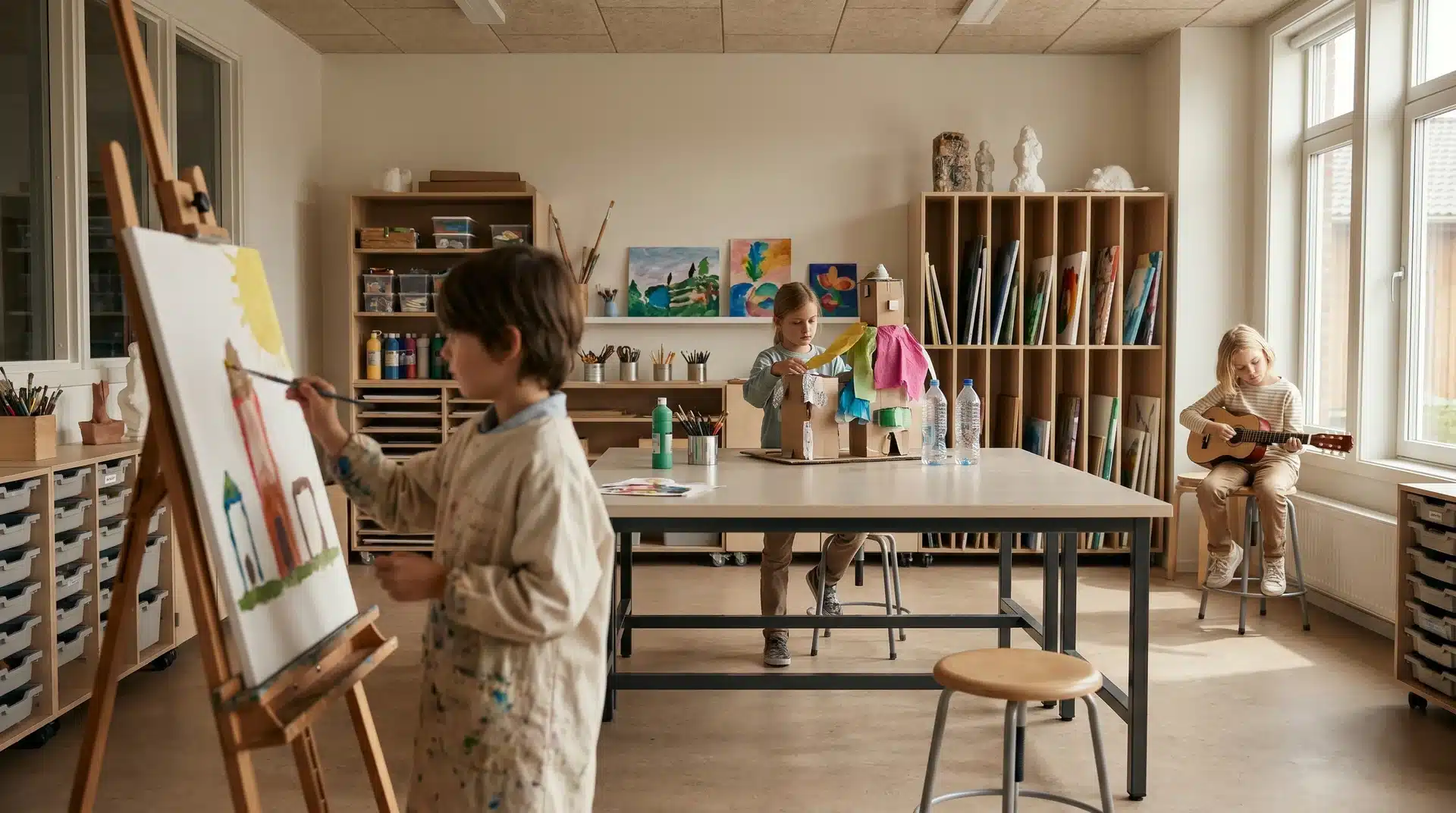
Creative strengths show how children imagine, invent, and express ideas in unique ways. They appear in art, storytelling, problem-solving, and playful exploration of new possibilities.
- Storytelling: Creates narratives with clear structure, real characters, and emotional detail.
- Visual imagination: Forms vivid mental images and translates them into art or description with accuracy.
- Musical ability: Shows a natural sense of rhythm, tone, or melody without formal instruction.
- Improvisation: Thinks on the spot and adapts in play, performance, or unexpected situations.
- Inventiveness: Comes up with original solutions that others in the same situation would not consider.
- Artistic expression: Communicates ideas through drawing, painting, or making with intention and personal style.
- Dramatic play: Creates elaborate pretend scenarios with consistent detail, character logic, and internal rules.
- Design thinking: Considers how something looks and how it works at the same time.
- Wordplay: Enjoys puns, rhymes, riddles, and language patterns as a natural form of expression.
- Unconventional thinking: Approaches problems in ways others do not typically consider, comfortably and consistently.
- Rapid idea generation: Produces many different ideas quickly when given a starting point or challenge.
- Genuine humor: Creates jokes or funny observations with real timing and originality, not repetition.
- Movement creativity: Expresses ideas through dance, mime, or physical performance in natural ways.
- Building and making: Turns raw materials into finished objects with clear intention and visible detail.
- Curiosity-driven exploration: Asks “what if” questions and then tests the answers on their own.
Physical Strengths List

Physical strengths relate to how children move, coordinate, and control their bodies with confidence. They are visible in activities that involve balance, speed, strength, and fine motor skills.
- Gross motor coordination: Runs, jumps, and throws with accuracy and control ahead of their age group.
- Fine motor precision: Handles small objects, writes neatly, or draws with notable detail and control.
- Athletic stamina: Sustains physical effort longer than typical for a child their age.
- Body awareness: Understands their own movements and adjusts them accurately with little coaching.
- Spatial navigation: Moves through spaces confidently and rarely misjudges distances or obstacles.
- Balance and agility: Shifts direction, holds positions, and recovers physically without much hesitation.
- Eye-hand coordination: Catches, hits, and tracks moving objects well across a range of activities.
- Physical courage: Tries climbing, jumping, or demanding activities without excessive hesitation or repeated reassurance.
- Speed: Moves quickly and with intention in physical tasks, sustaining that pace beyond short bursts.
- Endurance: Sustains focus and physical effort during long activities like hiking, swimming, or running.
- Physical adaptability: Adjusts to new physical demands or environments with less resistance than peers.
- Sensory precision: Notices textures, temperatures, and physical sensations with notable accuracy in many situations.
Character Strengths List
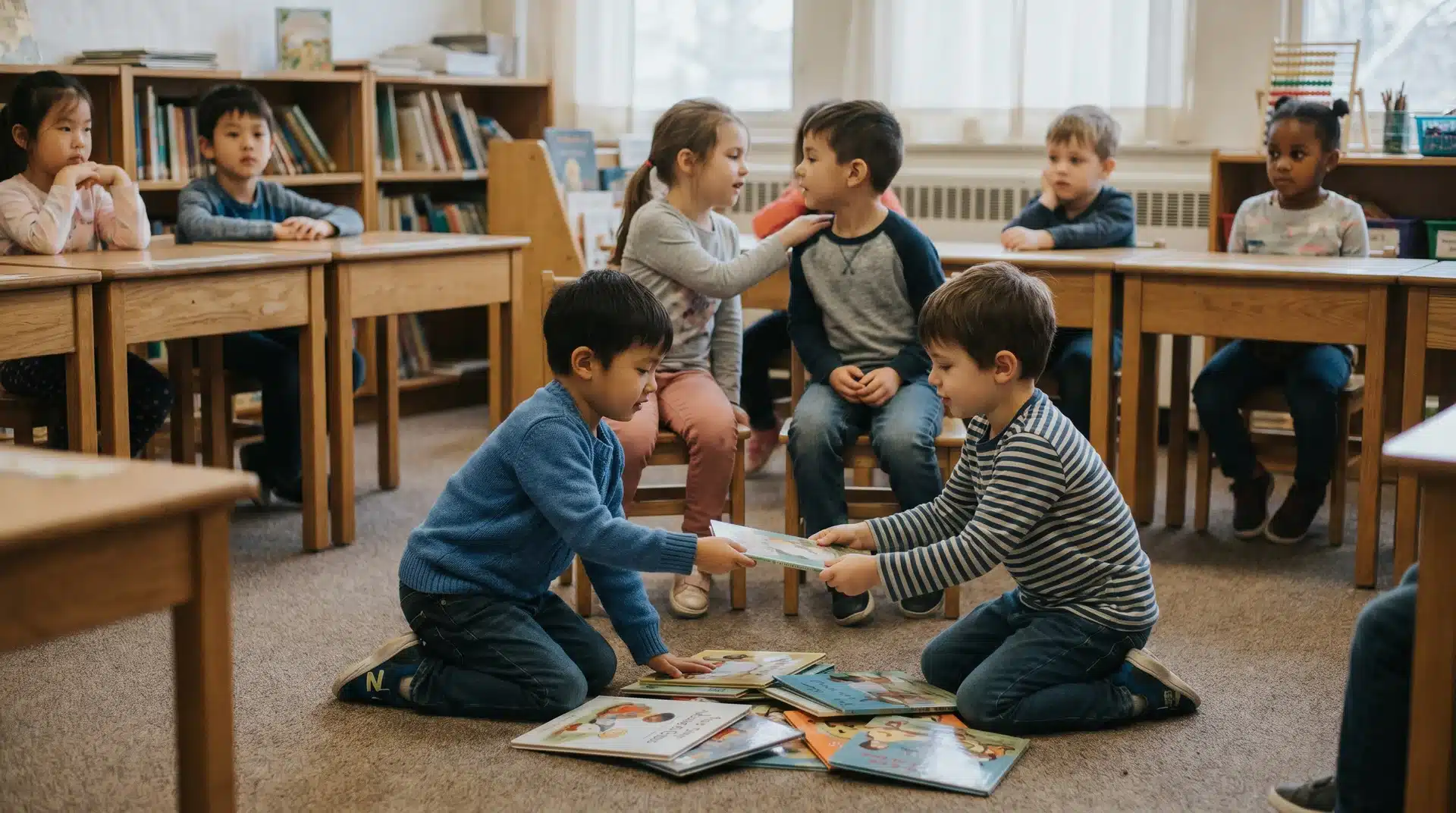
Character strengths reflect a child’s core values, such as honesty, kindness, and responsibility. They guide how children behave, make decisions, and treat others in different situations.
- Creativity: Finds new and better ways to approach things; thinks beyond the most obvious answer.
- Curiosity: Takes genuine interest in experiences and ideas, exploring them for their own sake.
- Judgment: Thinks things through carefully and examines situations from multiple angles before deciding.
- Love of learning: Actively seeks to master new skills and topics, in and out of school, with real consistency.
- Perspective: Gives thoughtful input and tends to see the larger context in situations that confuse others.
- Bravery: Does not avoid challenges or difficult conversations; speaks up and acts when it matters.
- Perseverance: Finishes what they start and continues through obstacles without giving up when tasks get hard.
- Honesty: Speaks the truth and acts in an authentic, transparent way in daily life.
- Zest: Approaches life with consistent energy, real enthusiasm, and full presence across many activities.
- Love: Values close relationships deeply; is warm, caring, and nurturing toward others.
- Kindness: Does good for others; extends care and generosity to people they know and just met.
- Social intelligence: Understands what motivates others and adapts well to social situations without losing themselves.
- Teamwork: Works well as part of a group; shows loyalty and commitment to shared goals over personal visibility.
- Fairness: Treats people equally and makes decisions without letting personal bias take over.
- Leadership: Organizes activities, makes decisions with clarity, and helps a group move forward together.
- Forgiveness gives people second chances and does not hold onto resentment after a conflict has passed.
- Humility: Let accomplishments speak for themselves; does not seek constant recognition or validation.
- Prudence: Thinks before acting; avoids unnecessary risk and makes careful, considered choices.
- Self-regulation: Manages feelings and actions with consistency; maintains personal discipline in daily life.
- Appreciation of beauty: Notices and values excellence and beauty in the things and moments around them.
- Gratitude: Feels and expresses genuine thankfulness regularly and with real sincerity.
- Hope: Expects good outcomes and puts in real effort to make them happen.
- Humor: Brings lightness and laughter to others through genuine wit and timing, not at others’ expense.
- Spirituality: Holds meaningful beliefs about purpose that guide how they live and make decisions each day.
Communication Strengths List

Communication strengths show how children express ideas and understand others effectively. They include speaking, listening, storytelling, and adapting language to different people and settings.
- Verbal fluency: Speaks clearly and with confidence appropriate to their age group and setting.
- Listening well: Waits, pays attention, and responds to what was actually said rather than what they assumed.
- Persuasion: Makes a case for a point of view using specific reasons and real examples, not pressure.
- Asking good questions: Goes beyond “what happened” to ask why and how things work, with real follow-up.
- Verbal storytelling: Holds a listener’s attention when speaking, with clear structure and good pacing.
- Written expression: Organizes thoughts clearly on paper with logic and flow that others can follow.
- Nonverbal awareness: Uses facial expression, gesture, and tone with clear intention and reads the same in others.
- Reading the room: Adjusts communication style based on the group or setting without needing coaching.
- Negotiation: Finds middle ground during disagreements without either side feeling dismissed or unheard.
- Directness: Says what they mean without being harsh, evasive, or unnecessarily long-winded.
- Vocabulary precision: Uses a wide variety of words accurately and in the right context, ahead of their age group.
- Emotional expression: Puts feelings into words rather than actions, even under real emotional pressure.
Leadership Strengths List

Leadership strengths highlight a child’s ability to guide, influence, and support group direction. They appear when a child takes initiative, organizes others, and helps a group work toward shared goals.
- Initiative: Starts things without waiting to be assigned or asked, and does so in ways that move others forward.
- Responsibility: Takes clear ownership of tasks, decisions, and outcomes without deflecting blame.
- Decision-making: Chooses a path and commits to it, even when there is real uncertainty involved.
- Organizing others: Coordinates peers toward a shared goal with clarity and consistent follow-through.
- Vision: Sees what could happen and gets others genuinely interested in working toward it.
- Motivating peers: Brings real energy and encouragement to a group when momentum slows or confidence drops.
- Delegating well: Knows when to assign tasks to others and picks the right person for each job.
- Conflict management: Keeps group dynamics stable when tension rises between individuals, without taking sides.
- Accountability: Admits mistakes clearly and takes concrete steps to correct them without waiting to be asked.
- Consistency: Shows up, follows through, and does what they committed to over time, not just when it is easy.
The Bottom Line
A child’s strengths do not need a formal test to confirm them. They need an adult paying careful attention. Cognitive, social, physical, and character strengths are all real and all worth naming clearly.
Start with what you see your child doing willingly and repeatedly, with real energy behind it. Build consistently from there. Naming a strength specifically tells your child more than general praise ever will.
They will carry those named strengths into school, friendships, and hard moments later on. Helping a child understand their own strengths is one of the most direct things you can do to support them.