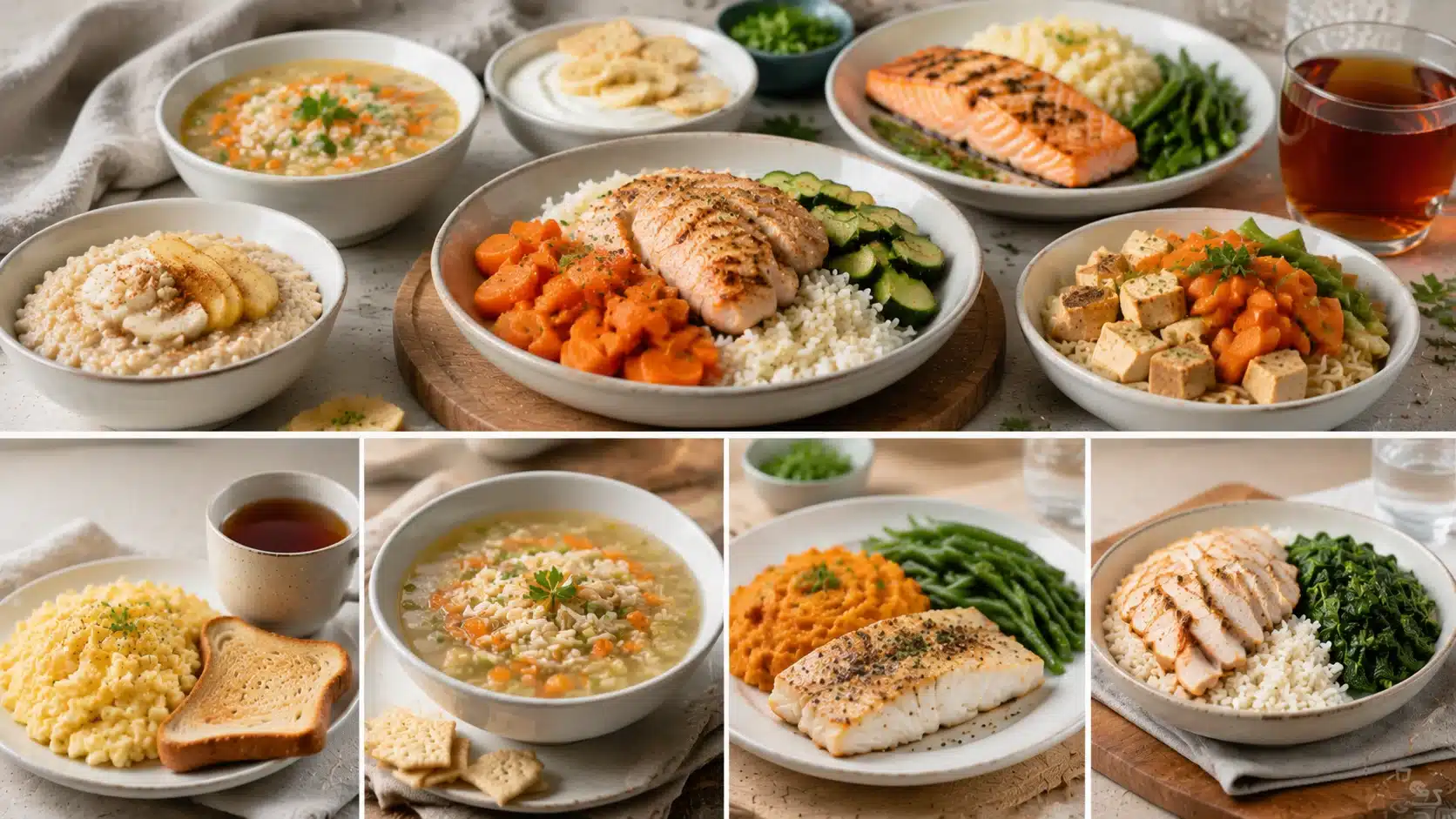
H. pylori affects the stomach lining by weakening its natural protection against acid, which is why normal meals can start causing discomfort. While antibiotics remove the infection, food choices can help you tolerate treatment and support recovery.
This 7-day H. pylori diet menu focuses on gentle, nutrient-rich meals that are easier on an irritated stomach, along with foods to limit during treatment and recovery tips.
What Is H. Pylori?
H. pylori, short for Helicobacter pylori, is a spiral-shaped bacterium that burrows into the stomach lining. It affects approximately half the world’s population. Most people carry it without any symptoms. When symptoms do appear, they often include:
- Stomach pain or burning, especially on an empty stomach
- Bloating and frequent belching
- Nausea or low appetite
- Unintended weight loss
Left untreated, H. pylori can cause gastritis, peptic ulcers, and, in some cases, increase long-term stomach cancer risk. The infection spreads most commonly through contaminated food, water, or close contact with an infected person.
Does Diet Cure H. Pylori?
No. Diet alone cannot eliminate H. pylori. Only prescribed medical treatment can. Standard treatment typically includes a combination of antibiotics and a proton pump inhibitor (PPI), taken for 7 to 14 days. Many providers now prefer 14-day courses for better eradication rates.
What diet can do is support your treatment. The right foods reduce stomach irritation, ease antibiotic side effects, and help your stomach lining begin to repair. The wrong foods can increase acid, slow digestion, and make symptoms feel much worse.
Foods That May Help During H. Pylori Treatment
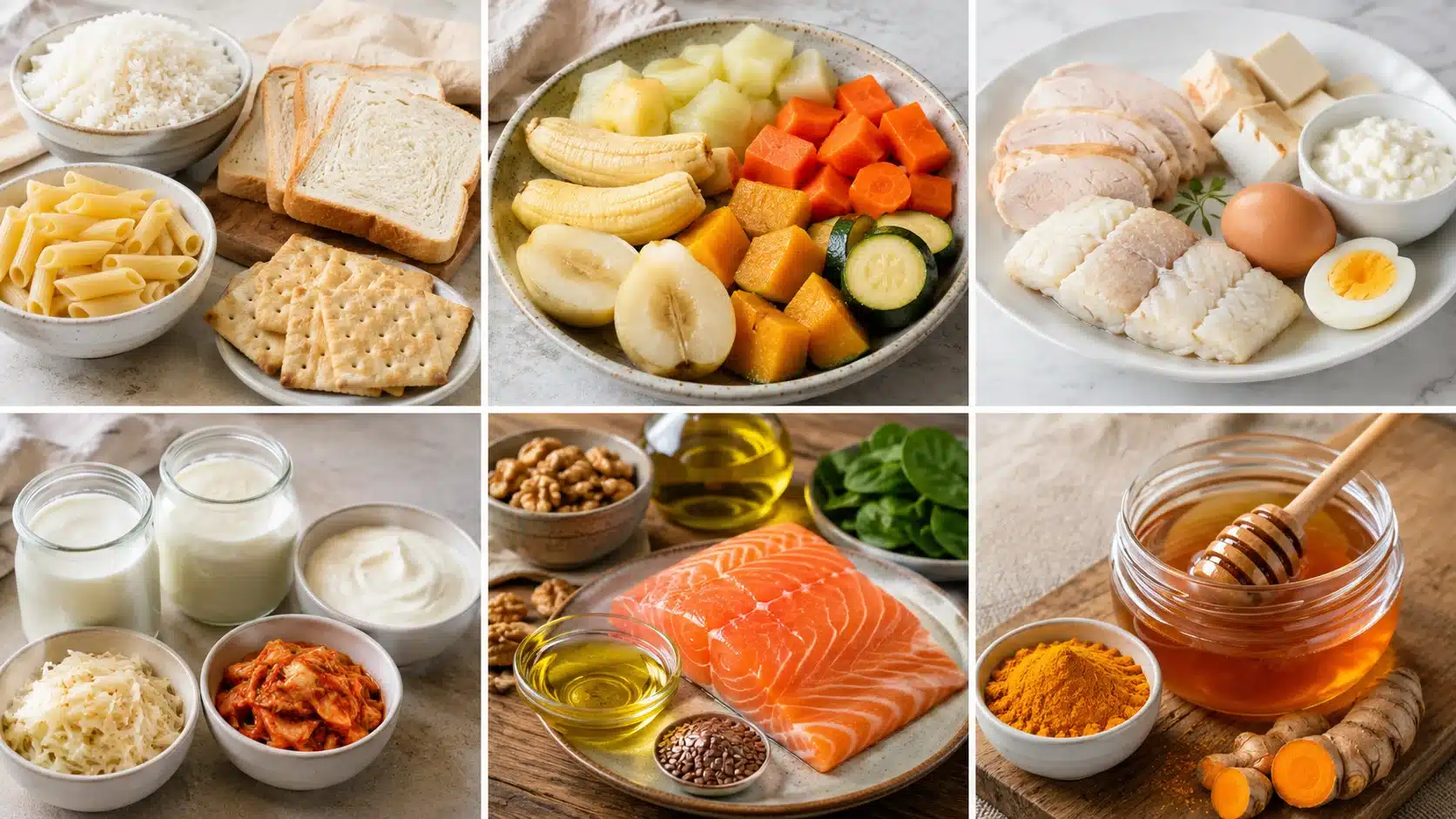
These foods are gentler on an irritated stomach. They are easier to digest and less likely to trigger acid or worsen inflammation during active treatment.
- Easily Digestible Carbohydrates: White rice, white bread, plain pasta, and crackers are low in fiber. They are gentle on an inflamed stomach lining. You can return to whole grains once symptoms improve.
- Cooked Fruits and Vegetables: Peeling and cooking fruits like apples and pears reduces tough fiber. Bananas, melon, papaya, carrots, and zucchini are usually well-tolerated. Raw produce can be reintroduced later.
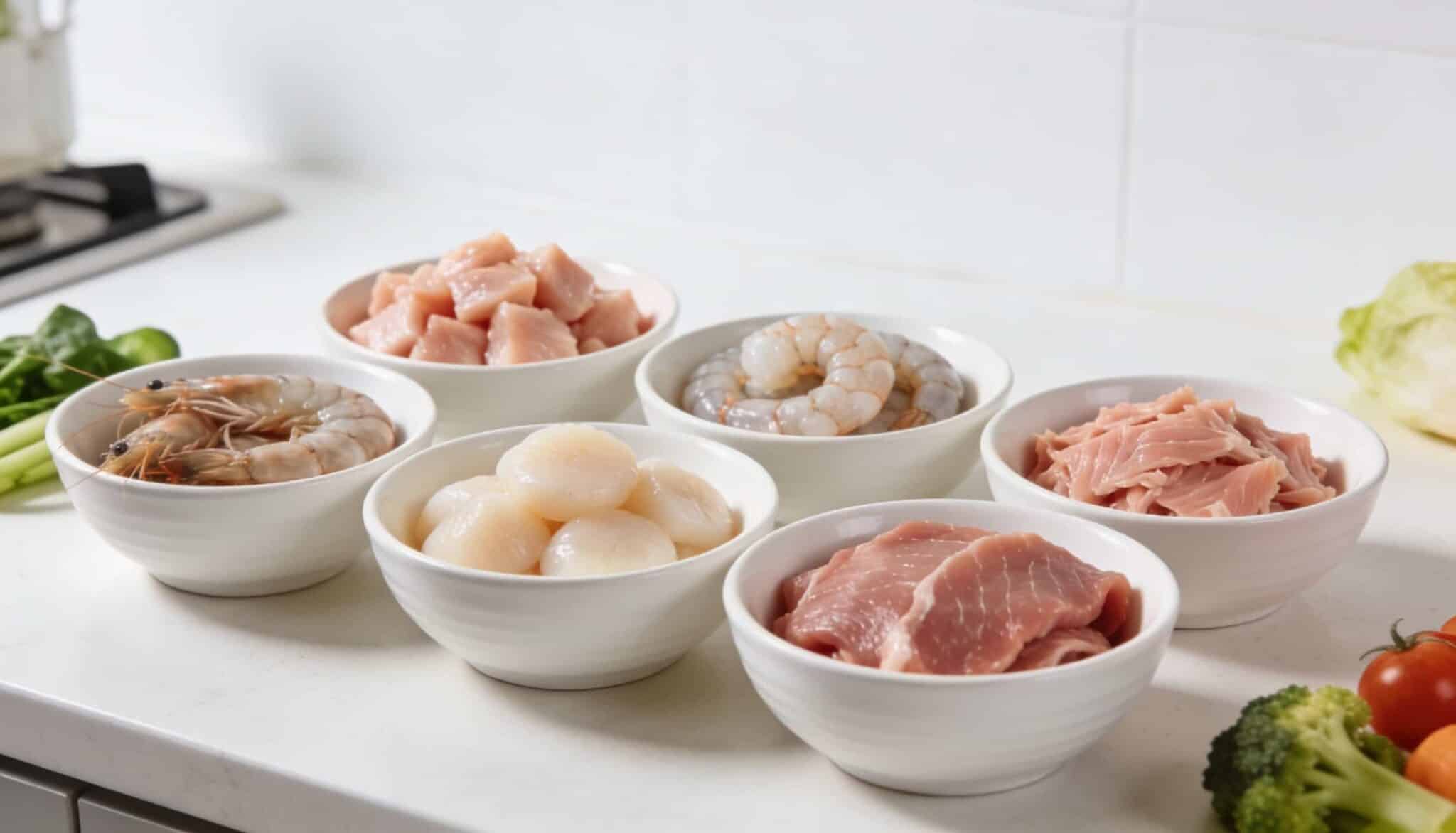
- Lean Proteins: Skinless poultry, white fish, eggs, tofu, and low-fat dairy are easier to digest than fatty cuts of meat. Heavy protein slows digestion and can worsen discomfort during active flares.
- Probiotic Foods: Yogurt and kefir introduce beneficial bacteria. This matters especially during antibiotic treatment, which can disrupt the gut’s natural balance. Choose plain, unsweetened varieties with live cultures.
- Omega-3 Rich Foods: Fatty fish like salmon, plus olive oil, contain omega-3 fats. These may help reduce inflammation in the stomach lining while treatment takes full effect.
- Honey: Honey has natural antibacterial properties and may soothe the stomach lining. Manuka honey in particular has shown activity against H. pylori in lab studies. Use it sparingly as a supplement to treatment, not a replacement for it.
- Broccoli and Broccoli Sprouts: Broccoli sprouts contain sulforaphane, a compound studied for its ability to inhibit H. pylori growth. Including well-cooked broccoli in your meals may offer additional gut support alongside medical treatment.
Foods and Drinks to Avoid During Treatment
Certain foods stimulate extra acid, irritate an already inflamed stomach lining, or slow digestion. All of these can worsen symptoms during an active infection.
| Food or Drink | Why It Causes Problems |
|---|---|
| Coffee, black tea, energy drinks | Stimulate extra stomach acid and irritate the lining |
| Alcohol (beer, wine, spirits) | Increases stomach inflammation and slows healing |
| Carbonated drinks | Cause stomach distension, bloating, and reflux |
| Spicy foods (chili, hot sauce) | Irritate an already inflamed stomach lining |
| Acidic fruits (citrus, pineapple, tomatoes) | Trigger heartburn and worsen stomach discomfort |
| Fried and high-fat foods | Slow digestion and prolong symptoms |
| Processed and deli meats | Contain preservatives and additives that add to irritation |
Cutting back on these items can noticeably ease discomfort. It also gives your stomach lining a better chance to heal.
Practical Guidelines Before You Start a 7-Day H. Pylori Diet
A few practical habits, beyond just food choices, can make treatment noticeably more comfortable and help your stomach lining heal without extra irritation each day.
- Space out fluids and meals. Drinking large amounts of water with meals can add to stomach distension. Aim for small sips during meals and most of your fluid intake between meals.
- Watch dairy and antibiotic timing. Calcium in dairy products can interfere with the absorption of certain antibiotics used to treat H. pylori. Ask your pharmacist whether your specific medication needs to be spaced apart from dairy, and follow that guidance closely.
- Eat smaller, more frequent meals. Large meals put more pressure on an irritated stomach. Five or six smaller meals a day are often easier to tolerate than three large ones.
- Wash produce thoroughly. H. pylori can sometimes be present on unwashed raw vegetables, so rinse fruits and vegetables well even when they’re on the “safe” list.
7-Day H. Pylori Diet Menu
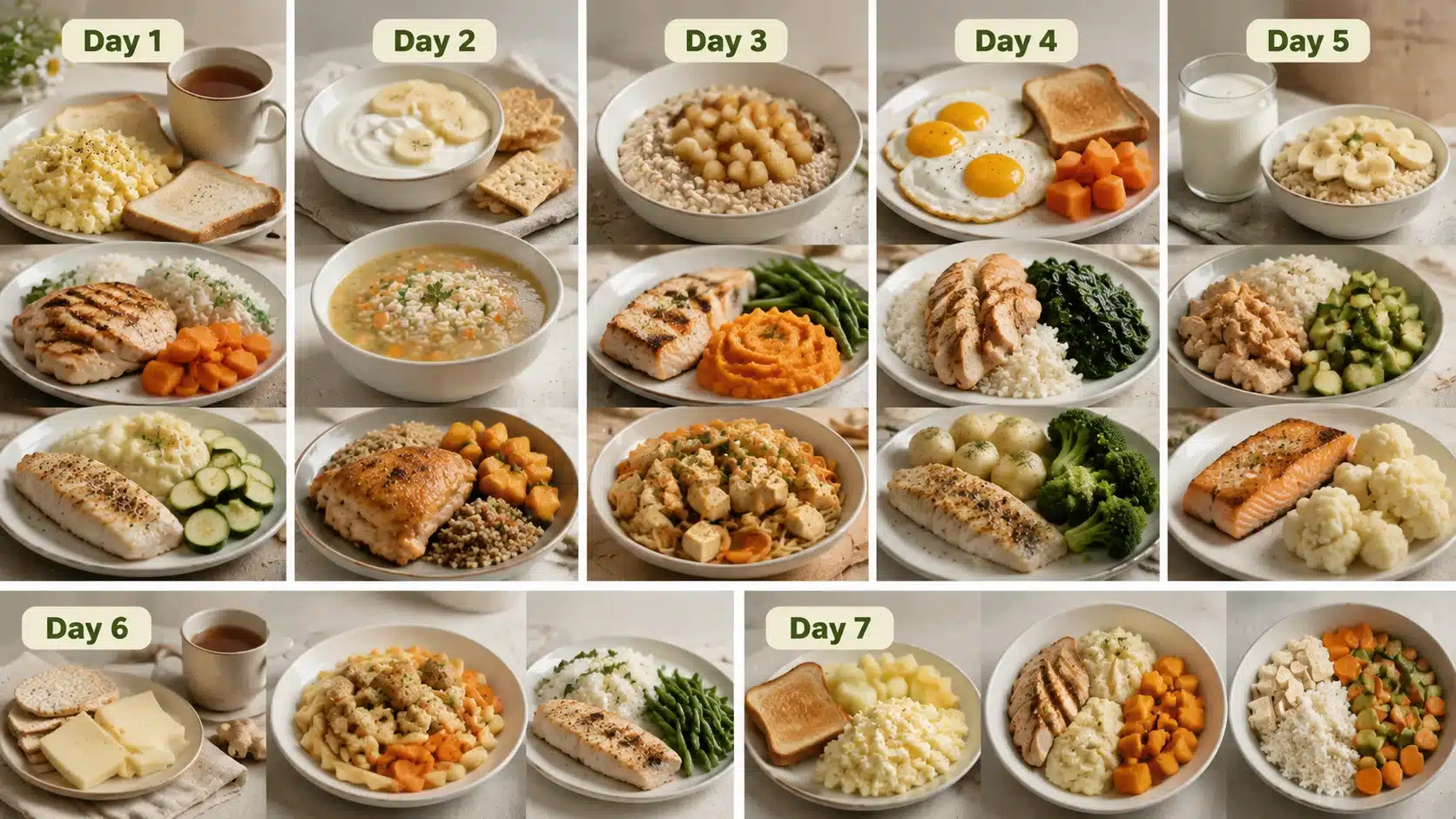
This 7-day H. pylori diet menu is built around easily digestible carbohydrates, lean proteins, cooked low-fiber produce, and probiotic foods. Portion sizes should match your age, activity level, and any other health conditions. This table is a flexible template, not a strict plan. Swap meals as needed while keeping to the same food types.
| Day | Breakfast | Lunch | Dinner |
|---|---|---|---|
| Day 1 | Scrambled eggs with white toast and chamomile tea | Grilled chicken breast with white rice and cooked carrots | Baked white fish with mashed potatoes and steamed zucchini |
| Day 2 | Plain yogurt with sliced banana and a few crackers | Turkey and rice soup with soft-cooked vegetables | Baked chicken thigh (skin removed) with quinoa and cooked squash |
| Day 3 | Oatmeal made with water or lactose-free milk, topped with cooked peeled pear | Baked white fish with mashed sweet potato and steamed green beans | Tofu stir-fried in olive oil with rice noodles and cooked carrots |
| Day 4 | Two eggs with white toast and a small serving of ripe papaya | Grilled turkey breast with white rice and cooked spinach | Baked cod with boiled potatoes and well-cooked steamed broccoli |
| Day 5 | Plain kefir or yogurt with cooked oats and sliced banana | Chicken and rice bowl with soft-cooked zucchini | Baked salmon with mashed potatoes and cooked cauliflower |
| Day 6 | Rice crackers with low-fat cheese and ginger tea | Turkey meatballs with white pasta and cooked carrots (no tomato sauce) | Grilled white fish with rice and steamed green beans |
| Day 7 | Scrambled egg whites with toast and a small serving of melon | Baked chicken with mashed potatoes and cooked squash | White fish or tofu with rice and soft-cooked vegetables |
Note: A registered dietitian can help build a plan suited to your specific health needs and treatment regimen.
Managing Side Effects of H. Pylori Treatment
Antibiotics often cause digestive side effects on their own, separate from the infection. Here is how to manage the most common ones.
- Metallic Taste: Certain antibiotics, particularly metronidazole, cause a metallic taste. Using plastic utensils instead of metal ones and sipping mild, flavored (non-caffeinated) drinks can help reduce this.
- Nausea: Eat small amounts of bland food frequently. Stay hydrated between meals. Avoid large amounts of liquid in one sitting. Ginger tea may help settle the stomach.
- Diarrhea: Antibiotics disrupt normal gut bacteria. Plain yogurt and other probiotic foods can help restore balance. Stick to simple, low-fiber meals. If diarrhea is severe or contains blood, contact your provider immediately.
- Bloating: Avoid carbonated drinks and eat slowly. Take time between bites. Swallowing air quickly can significantly worsen bloating during treatment.
What to Eat After H. Pylori Treatment Ends
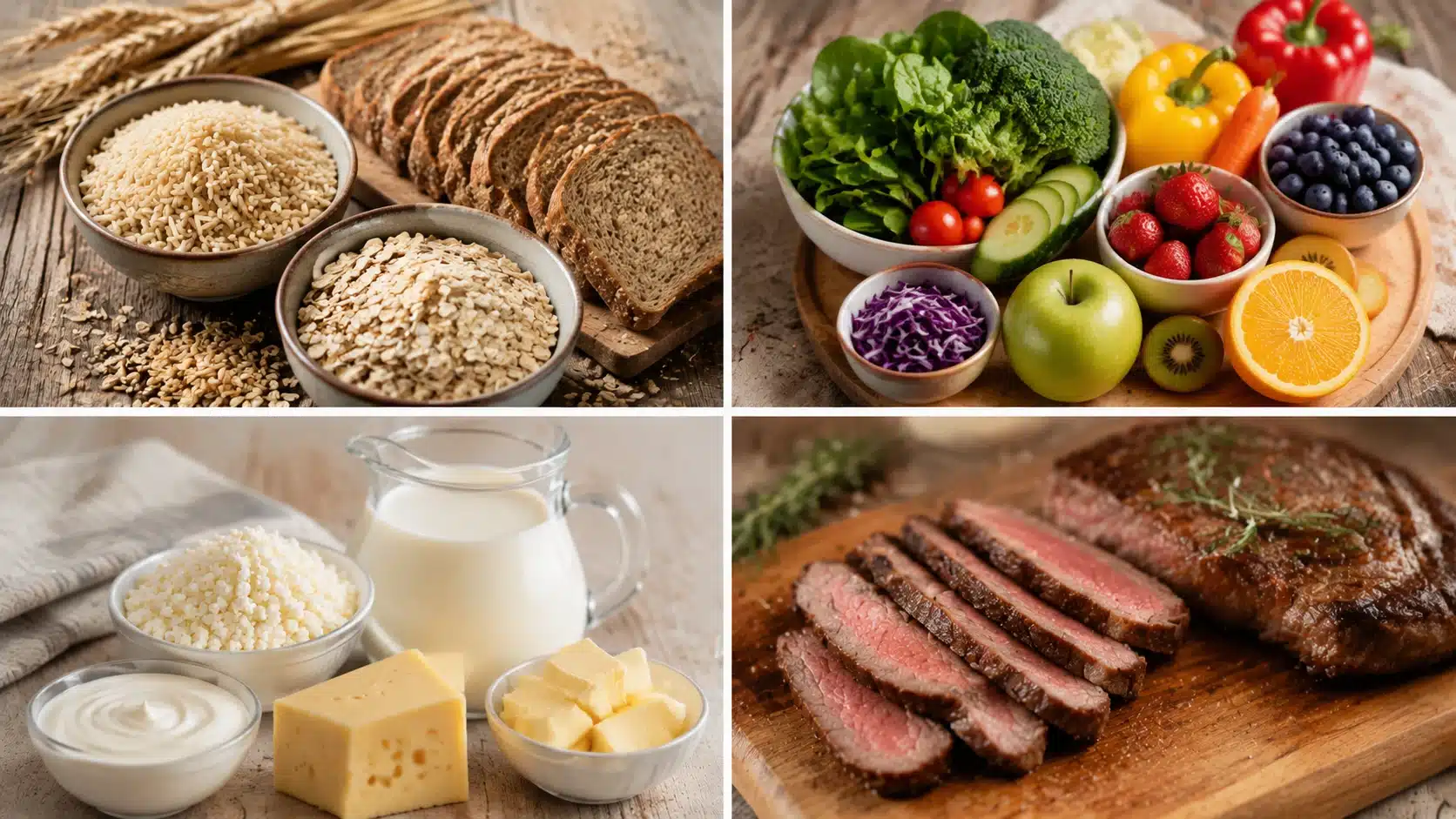
Once your provider confirms the infection is gone, you can begin expanding your diet. The stomach lining may still be healing even after the bacteria are cleared. Reintroduce foods slowly rather than returning to old habits all at once.
The following table shows the typical recovery timeline and what to expect at each stage.
| Timeframe | What Typically Happens |
|---|---|
| 1 to 2 weeks after antibiotics | Pain and discomfort often start easing |
| 2 to 4 weeks after treatment | Provider may run a follow-up breath or stool test to confirm eradication |
| Several weeks to months | Full healing of the stomach lining; gradual return to a wider diet |
Foods generally safe to bring back early include:
- Whole grains such as brown rice, whole-grain bread, and oats
- A wider variety of fruits and vegetables, including small amounts of raw produce
- Full-fat dairy, reintroduced gradually to check tolerance
- Leaner cuts of red meat in moderate portions
- Herbs and mild spices beyond the basics used during treatment
Bring back coffee, citrus, and spicy foods one at a time. Wait a day or two between each reintroduction to see how your stomach responds before adding the next item.
If symptoms have not improved by your follow-up appointment, tell your provider. They can check whether the infection has fully cleared.
Lifestyle Habits After 7-Day H. pylori That Support Recovery
Diet is only part of recovery. These daily habits work alongside your medication and food choices to help treatment go more smoothly.
- Manage stress. Stress does not cause H. pylori, but it can intensify digestive symptoms. Short walks, consistent sleep, and relaxation habits can help calm the gut.
- Avoid smoking. Smoking slows healing of the stomach lining and makes ulcers harder to treat. Quitting or reducing tobacco use during treatment improves outcomes.
- Keep meals calm and unhurried. Eating quickly leads to swallowing more air and eating past the point of comfort. Both worsen bloating.
- Stay well-hydrated between meals. Sipping water throughout the day supports digestion and overall recovery. Drink most fluids between meals rather than with food.
- Practice good hand hygiene. H. pylori can spread through contaminated food and water. Washing hands regularly protects you and people around you.
When to Contact a Healthcare Provider
Contact a healthcare provider promptly if you notice any of the following warning signs:
- Vomiting blood or material that looks like coffee grounds
- Black, tarry, or foul-smelling stools
- Severe or worsening abdominal pain, especially if the abdomen feels rigid
- Unexplained or continued weight loss
- Symptoms that do not improve after completing treatment
These can signal a bleeding ulcer or another serious complication. They require prompt medical evaluation, not a wait-and-see approach.
Start Your Recovery With the Right Food Choices
Managing H. pylori becomes easier when you know what to eat. The right foods can calm your stomach, reduce treatment side effects, and support healing.
Use this 7-day diet menu as a starting point while completing your prescribed medication. Once your doctor confirms the infection is cleared, slowly reintroduce foods you avoided and give your stomach time to recover.
For more evidence-based nutrition and health guidance, browse more articles on The Fitness Explorer.
Frequently Asked Questions
Is yogurt good for H. pylori?
Yes, plain probiotic yogurt may help support healthy gut bacteria and reduce digestive side effects caused by H. pylori antibiotics. It does not kill the infection but can support treatment.
What kills Helicobacter fast?
The fastest proven way to kill H. pylori is a doctor-prescribed combination of antibiotics and acid-reducing medication. Diet alone cannot remove the bacteria.
What foods heal the stomach lining?
Foods like probiotic yogurt, cooked vegetables, oats, lean proteins, bananas, and omega-3-rich fish may support stomach lining repair and reduce irritation.
What drink calms gastritis?
Water, chamomile tea, ginger tea, and other non-acidic drinks can help soothe gastritis symptoms and prevent dehydration.
What is the most gut-healing food?
No single gut-healing food exists, but probiotic foods, fiber-rich plants, and nutrient-dense meals help support a healthier digestive system.
How to clean your stomach and intestines naturally?
Your body naturally removes waste through the digestive system. Staying hydrated, eating fiber-rich foods, and maintaining regular bowel habits support this process.