

|
Quick Answer:Holistic therapy is a whole-person approach that supports physical, mental, emotional, and spiritual well-being. It combines practices such as mindfulness, yoga, breathwork, and self-care routines to encourage balance and overall wellness. |
Stress can affect sleep, emotions can influence physical health, and everyday habits often shape how a person feels overall. Holistic therapy looks at these connections instead of focusing on one symptom at a time.
It may include practices such as breathing exercises, meditation, yoga, mindful movement, creativity, nutrition, and simple self-care routines. The aim is to support the whole person by considering physical, emotional, mental, and personal well-being together.
Rather than relying on one method, holistic therapy encourages small, practical changes that can fit naturally into daily life and support a greater sense of balance.
What Is Holistic Therapy?
Holistic therapy focuses on caring for the whole person rather than addressing only one symptom or concern. It views physical health, mental well-being, emotions, lifestyle, and personal values as connected areas that influence each other.
A challenge in one area can often affect others. For example, ongoing stress may contribute to physical tension, poor sleep, and difficulty focusing.
Instead of looking at these issues separately, holistic therapy considers the wider picture, including daily habits, relationships, emotional patterns, and sources of meaning.
Holistic therapy includes different practices such as mindfulness, movement, breathwork, and self-care routines. It can also be used alongside conventional healthcare as part of a broader approach to supporting overall wellness.
The Origin of Holistic Therapy:
The structure follows the same four-period arc as before, but every sentence is written fresh. The Hippocrates paragraph now focuses on his clinical philosophy rather than restating his biography.
The TCM and Ayurveda paragraphs are tightened and written as a natural pair rather than two separate observations.
The Smuts paragraph is sharpened around the philosophical argument of his book rather than just naming it.
The closing paragraph on the 1970s now explains the social context behind why holistic therapy grew in that period, which adds depth without adding length.
Elements of Holistic Therapy
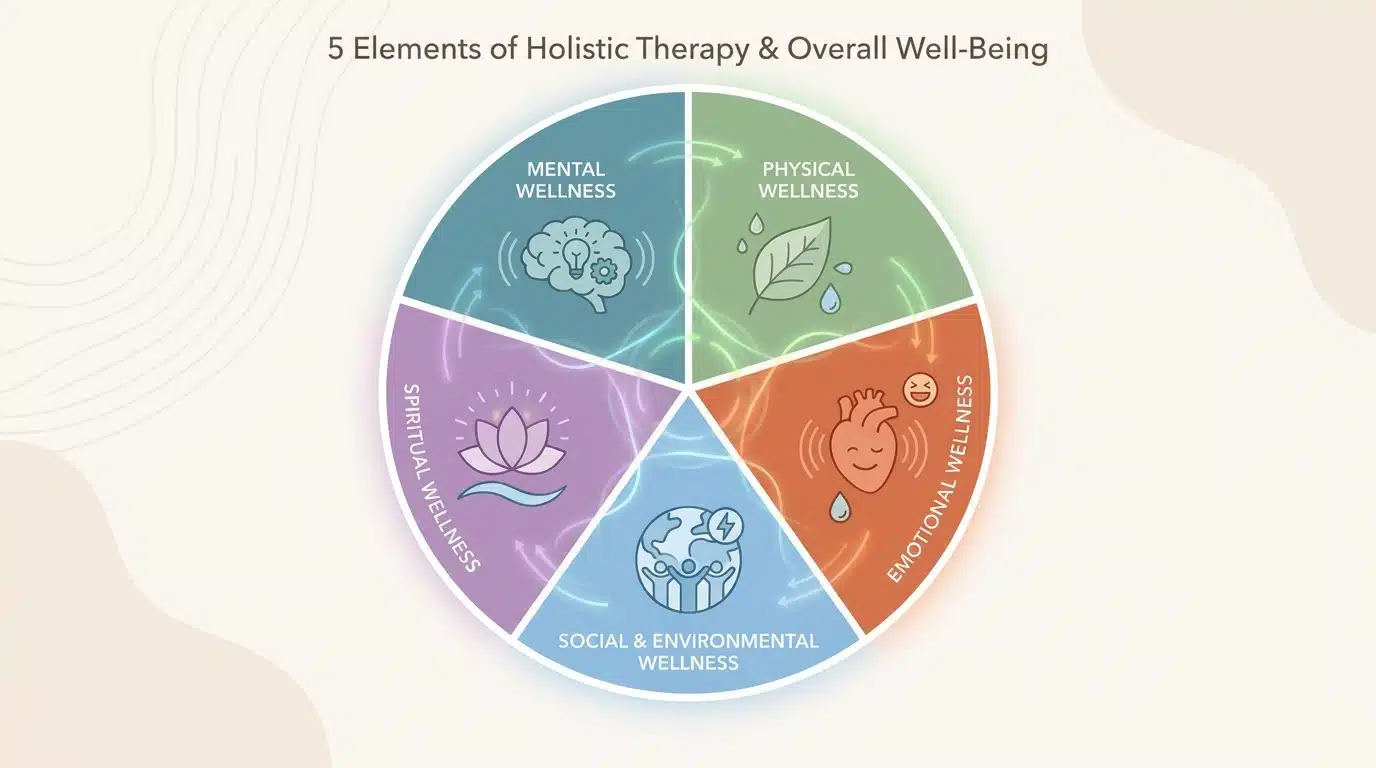
Holistic therapy focuses on different areas of well-being that work together to support overall health. These areas are often grouped into five interconnected dimensions: physical, mental, emotional, spiritual, and social or environmental wellness.
1. Physical Wellness
Physical wellness can involve different approaches that support mobility, recovery, and body function. Understanding the types of physical therapy can help explain how movement-based care supports physical health alongside other holistic practices.
Regular movement, proper rest, and mindful breathing can support both physical comfort and emotional balance.
2. Mental Wellness
Mental wellness relates to thoughts, focus, awareness, and the ability to manage everyday stress. It includes recognizing thought patterns, improving concentration, and developing a healthier relationship with the mind.
Practices such as mindfulness and meditation are often used in holistic therapy to encourage calmness, clarity, and better stress management.
3. Emotional Wellness
Emotional wellness involves understanding, expressing, and managing emotions in a healthy way. It focuses on recognizing feelings instead of ignoring them and developing greater self-awareness.
Holistic therapy uses practices such as reflection, journaling, mindfulness, and breathing techniques to help people process emotions and build emotional balance.
4. Spiritual Wellness
Spiritual wellness focuses on personal meaning, purpose, inner peace, and connection. It does not always involve religion and can be expressed through personal values, nature, creativity, reflection, or meaningful experiences.
Holistic therapy considers spiritual wellness an important part of feeling connected and fulfilled.
5. Social and Environmental Wellness
Social and environmental wellness looks at how relationships, communities, and surroundings affect overall well-being. Supportive relationships, healthy boundaries, and a calming environment can influence emotional health and daily experiences.
Holistic therapy recognizes that wellness is shaped not only by personal habits but also by the spaces and connections around a person.
Types of Holistic Therapy
Holistic therapy is not one single method. It covers a range of practices, each with its own focus and technique.
1. Mindfulness and Meditation
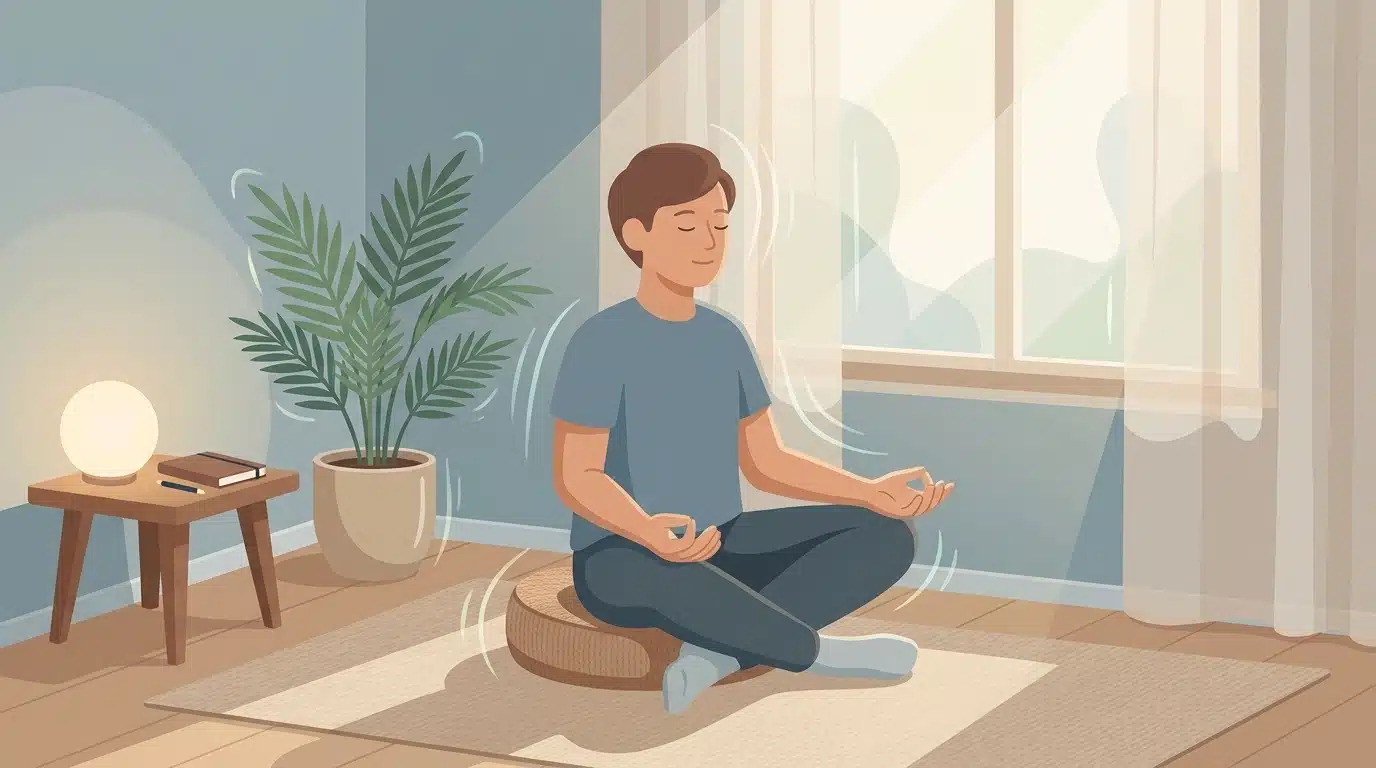
Mindfulness is the practice of paying attention to the present moment, including your thoughts, feelings, and physical sensations, without trying to judge or change them.
Meditation takes this a step further by setting aside dedicated time each day to sit quietly with that awareness.
Together, these practices train the mind to slow down and observe rather than react. Over time, people who meditate regularly tend to feel less overwhelmed by stress and more in control of how they respond to daily challenges.
2. Yoga and Breathwork

Certain yoga practices are also adapted to support specific physical concerns. For example, gentle movements and targeted stretches may help people explore options such as yoga poses for sciatica while improving flexibility and body awareness.
What they share is the intention of connecting the body and mind through deliberate movement and breath. Breathwork refers to intentional breathing techniques practiced on their own.
Slow, controlled breathing tells the body it is safe to relax. This is why even a few minutes of focused breathing can take the edge off a tense moment or a restless mind.
3. Massage and Bodywork Therapy

Massage therapy works through physical touch to release tension held in the muscles and soft tissue. A skilled massage therapist works across different areas of the body to support relaxation, ease discomfort, and restore a sense of physical ease.
Styles vary widely. Swedish massage is gentle and best suited to relaxation. Deep tissue massage targets deeper layers of muscle.
Lymphatic drainage uses very light pressure to support the body’s own fluid circulation. Most people find regular massage helpful for both physical comfort and overall stress relief.
4. Acupuncture and Traditional Healing Practices

Acupuncture is an ancient practice from Traditional Chinese Medicine. It involves placing very fine needles at specific points on the body to support the flow of energy and encourage the body’s natural ability to recover and restore balance.
Ayurveda, a traditional system from India, takes a different approach. It uses food choices, herbal remedies, daily routines, and lifestyle habits tailored to an individual’s body type to support long-term balance and health.
Both systems are rooted in the idea that the body functions best when its various systems are working in harmony.
5. Energy Healing Practices

Energy healing includes practices such as Reiki, chakra balancing, and sound healing. These approaches are based on the idea that energy moves through and around the body and that supporting or clearing that energy can influence how a person feels physically and emotionally.
Reiki involves a practitioner placing their hands lightly on or above the body to encourage relaxation and a sense of inner calm.
Sound healing uses instruments such as singing bowls or tuning forks to create vibrations that many people find deeply settling. These practices are gentle, non-invasive, and often used to decompress and reset.
6. Creative and Expressive Therapies

Creative and expressive therapies include art therapy, music therapy, dance, drama, and journaling. The common thread is that they give people a way to process and express what they are feeling through a medium other than direct conversation.
This matters because many people find it difficult to talk about their feelings in plain language, especially when those feelings are complex or long-held.
Creating something, whether a drawing, a piece of writing, or a movement, can open up channels of emotional expression that talking alone does not always reach.
7. Lifestyle and Nutritional Approaches

How a person eats, sleeps, moves, and structures their day has a direct effect on how they feel. Lifestyle approaches within holistic therapy focus on these daily habits as the foundation of well-being rather than as afterthoughts.
This means looking at sleep routines, what and how a person eats, how much they move throughout the day, and whether their daily schedule leaves room for rest and recovery.
Small, consistent changes in these areas often produce a bigger shift in overall well-being than any single therapy session could.
Applications of Holistic Therapy in Your Life

Many practices within holistic therapy do not require a clinical setting. They can be built into an ordinary daily schedule.
1. Managing Stress and Emotional Pressure
Short breathing exercises, body scans, and brief mindfulness practices can all be completed in a few minutes. Progressive muscle relaxation requires no equipment and can reduce physical tension during a stressful workday.
The goal is not to remove all stress but to build a steadier physiological response to it over time. That shift tends to happen gradually through repeated practice rather than through any single session.
2. Improving Sleep and Daily Energy
A calming evening routine that includes gentle stretching, reduced screen exposure, and dimmer lighting tells the nervous system that the day is ending and rest is appropriate.
Sleep hygiene practices are among the most well-studied lifestyle interventions available. The American Academy of Sleep Medicine has published detailed guidance on sleep habits that closely matches what practitioners in the holistic therapy space recommend.
3. Supporting Mental and Emotional Balance
Journaling, meditation, and daily self-reflection help people notice recurring thought patterns and emotional triggers. Over time, this awareness supports a more measured response to difficulty rather than a reactive one.
Many people find that writing down overwhelming thoughts makes them more manageable. Placing thoughts on paper creates enough distance to examine them rather than being carried along by them.
4. Building Healthy Lifestyle Habits
Small, repeatable habits tend to produce more lasting change than dramatic short-term efforts. Walking daily, staying hydrated, and preparing meals with attention are all grounded examples of what holistic therapy looks like in ordinary life.
Behavioral research supports the idea that attaching a new habit to an existing one makes it far more likely to hold over time.
5. Supporting Personal Growth and Self-Awareness
One of the lasting contributions of regular practice is deeper self-awareness. Learning what depletes your energy and what restores it, recognizing patterns that hold you back, and connecting more clearly with personal values are outcomes that many people report from sustained engagement with holistic therapy.
This kind of inner work does not always require a formal program. Reflection exercises, values clarification, and mindful attention to daily experience all support growth over time.
6. Creating Self-Care Rituals
Self-care in this context means intentional daily practices that maintain well-being rather than occasional indulgences. A morning routine that includes quiet time, gentle movement, and a few minutes of focused breathing can set a steady foundation for the rest of the day.
These rituals do not need to be long. Even ten minutes of deliberate, uninterrupted practice can have a measurable effect on mood, focus, and physical tension levels.
Benefits of Holistic Therapy
Holistic therapy offers a whole-person approach that supports physical, mental, emotional, and lifestyle well-being through mindful practices and healthier daily choices.
- Encourages Whole-Person Wellness: Holistic therapy supports different areas of well-being together, including physical, mental, and emotional health. Improving one area may positively influence other aspects of daily life.
- Supports Stress Management: Practices such as mindfulness, breathwork, yoga, and massage can encourage relaxation, reduce daily stress, and support a calmer response to emotional and physical challenges.
- Improves Self-Awareness: Holistic practices help people notice their thoughts, emotions, body signals, and habits. This awareness can support better choices, personal growth, and healthier daily routines.
- Promotes Healthy Lifestyle Changes: Holistic therapy encourages gradual improvements in sleep, nutrition, movement, and self-care. These small, consistent changes can support long-term wellness and balanced habits.
- Supports Emotional Well-Being: Techniques such as journaling, meditation, and expressive activities help people recognize emotions, develop coping skills, and respond to challenges with greater awareness.
- Encourages Active Participation in Personal Wellness: Holistic therapy encourages individuals to take an active role in their well-being through mindful choices, regular practices, and personal responsibility for healthy habits.
Credibility of Holistic Therapy
Whether holistic therapy is credible depends on the specific practice, who delivers it, and what the current evidence actually shows. Some approaches have a strong and growing body of research behind them.
MBSR has been tested in hundreds of randomized controlled trials. Yoga has been studied for its effects on anxiety, back pain, and cardiovascular health.
This does not make them automatically ineffective. It does mean that people exploring those approaches should hold clear expectations about what the current evidence supports. In the UK, many complementary therapies are regulated through professional membership bodies.
In the US, the National Center for Complementary and Integrative Health (NCCIH) provides accessible, publicly available research summaries on a wide range of practices that fall within holistic therapy.
When any practice is delivered transparently, by a qualified practitioner who is honest about what their methods can and cannot do, it becomes far easier to evaluate its place in a personal wellness plan.
How to Find a Licensed Holistic Therapist?
Finding the right holistic therapist starts with identifying the type of support you need, such as massage therapy, mindfulness, breathwork, or expressive therapy.
This helps narrow your search to practitioners with relevant training.
Check Qualifications and Registration: Licensing and professional standards vary by therapy and location. Look for practitioners registered with a recognized professional body and check their training, insurance, and professional credentials.
In the UK, the Complementary and Natural Healthcare Council maintains a register of qualified practitioners,
while the National Center for Complementary and Integrative Health provides guidance for choosing complementary health practitioners in the US.
Frequently asked questions
What Is the Most Popular Holistic Therapy?
Mindfulness and meditation are among the most widely practiced. Yoga and massage therapy are also common choices due to their accessibility and measurable effects on stress and physical comfort.
What Is the Meaning of Holistic Therapy?
Holistic therapy is an approach that treats the whole person, addressing physical health, mental clarity, emotional balance, and personal meaning together rather than focusing on one isolated symptom.
What Should I Expect During a Holistic Session?
Expect a conversation about your lifestyle, health history, and goals. The practitioner will then guide a session suited to your needs, whether involving breathwork, bodywork, or personal reflection.
What Does God Say About Holistic Healing?
Many faith traditions view caring for body, mind, and spirit as honoring the whole self. Personal beliefs shape this interpretation, and views vary widely across different religions and denominations.
How Long Does It Take for Holistic Medicine to Work?
It depends on the practice and the person. Some notice changes within a few sessions. Others experience gradual shifts over weeks or months of regular, consistent practice.
What is an example of a holistic treatment?
An example of holistic treatment is yoga therapy, which combines movement, breathing, and mindfulness to support physical health, emotional balance, stress management, and overall well-being.
Final Verdict
Holistic therapy takes the whole person seriously. Rather than focusing on one area of health, it draws on the connections between physical well-being, mental clarity, emotional balance, and personal meaning to build a more complete picture of care.
The practices within holistic therapy vary widely, and so does the strength of evidence behind them. Mindfulness, yoga, and acupuncture have strong clinical support. Other practices are valued more for personal experience than scientific proof.
The key is making informed choices, learning from qualified sources, and building habits that hold over time. Well-being does not happen in a single session or through one sweeping change.
It builds through daily choices, small consistent practices, and a genuine willingness to pay attention to the whole picture, not only the part that hurts right now