You reach for your tub, spot the date on the bottom, and pause. It has been in that cabinet for a while.
Does pre-workout expire? Yes, but not the way milk does. The date marks peak potency, not a danger line. Ingredients fade gradually, and storage decides how fast.
Here is what you need to know before you scoop.
What the Expiration Date on Pre-Workout Actually Means
The date on your tub is not a government-mandated safety deadline. The U.S. Food and Drug Administration (FDA) does not require supplement companies to print expiration dates at all. That is why some tubs have them, and others do not.
When a date does appear, it reflects the manufacturer’s estimate of peak potency. Stability testing predicts how long ingredients hold their intended strength under normal storage. Past that date, the product does not suddenly become toxic. The ingredients simply start to drift from what the label promises.
Two things drive the breakdown: chemical changes within the powder itself, and outside exposure to heat, humidity, and oxygen. Storage is the real deciding factor, not just the calendar.
Most pre-workout powders carry a best-by date of 18 to 24 months from the manufacturing date. Kept cool, dry, and sealed, they often hold their potency right up to that date. Once opened, the clock speeds up as air and moisture reach the powder with every scoop.
How Long Does Pre Workout Last?
Shelf life depends heavily on whether the seal is broken and where you store the tub. The table below gives realistic ranges based on storage conditions.
| Storage Condition | Approximate Shelf Life |
|---|---|
| Unopened tub, stored properly | 1 to 2 years |
| Opened and stored properly | 6 to 12 months |
| Opened, stored in heat or humidity | Noticeably shorter |
| Mixed with water, at room temperature | Up to 12 hours maximum |
Unopened Pre-Workout
An unbroken seal is your best defense. It keeps oxygen and moisture out. Those two things cause most of the damage.
An unopened container stored in a cool, dry spot typically stays fully effective for 1 to 2 years. Many tubs hold well right up to the best-by date. Some hold a bit past it, depending on the formula.
Opened Pre-Workout
Opening the tub changes everything. Every time you pop the lid, air and humidity get in. The breakdown speeds up from there.
An opened container stored properly typically stays effective for 6 to 12 months. In warm or humid environments, that window shrinks considerably.
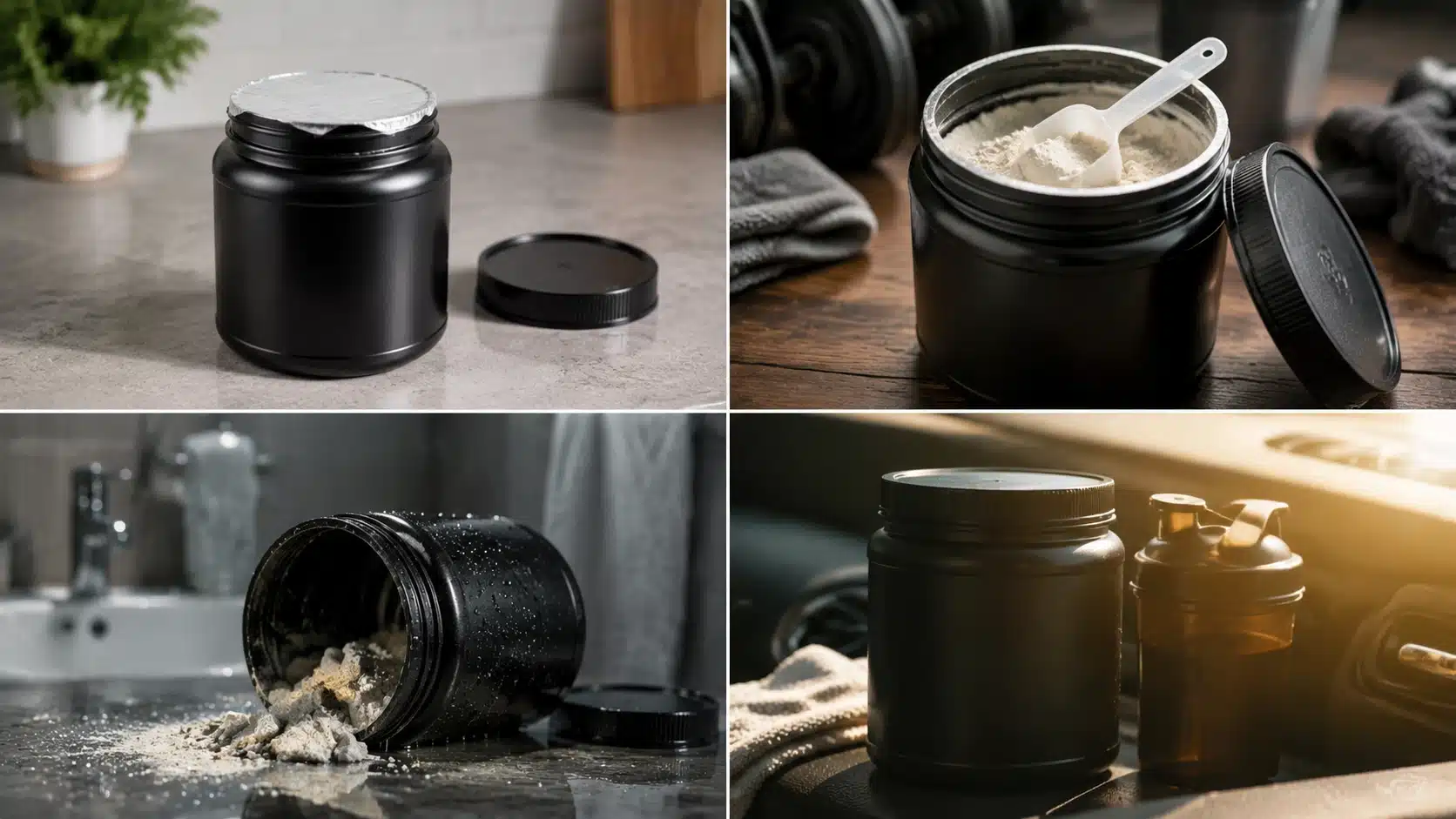
Small habits matter a lot here. A wet scoop introduces moisture directly into the powder. A lid left open for even a few minutes lets humidity in. Storing the tub near a bathroom sink causes the same problem. All of these shorten usable life faster than most people expect.
Pre-Workout Mixed with Water
Once you mix the powder with liquid, the clock moves much faster.
Drink it within 30 to 60 minutes for the best results. If you need to prep ahead, pour it into a sealed shaker and refrigerate it. A mixed serving stays usable for up to 12 hours in the fridge. After that, potency drops and bacteria can grow at room temperature.
One ingredient worth knowing about: creatine monohydrate. It appears in many pre-workout formulas. In dry powder form, it is very stable. In water, though, it gradually converts to creatinine, the inactive byproduct of creatine breakdown. Creatinine does not hurt you, but it also does not help your performance.
The conversion starts slowly. Roughly 5% converts in the first 8 hours. It picks up speed after that. This is exactly why ready-to-drink pre-workouts almost never contain creatine monohydrate. Mix and drink promptly to keep creatine working as intended.
What Happens When Pre Workout Expires?
You will usually notice three types of change: weaker effects, texture shifts, and differences in smell or taste. Here is what is happening with each.
1. Ingredients Lose Potency
Not everything in your tub fades at the same speed. Understanding this is the most practical thing to know about aging pre-workout.
- Caffeine is the most stable ingredient in any pre-workout formula. It holds its potency for a long time in dry powder. Prolonged exposure to heat and humidity can cause gradual degradation past 24 months. But caffeine is the last ingredient to fail. Your energy hit will likely outlast all the other benefits.
- L-Citrulline and Beta-Alanine are where you will notice losses first. These amino acids are hygroscopic. They actively pull water molecules from the air. When they absorb moisture, they do not just clump. They go through chemical changes that reduce how well they work. If the familiar tingle from beta-alanine is gone, the amino acids have likely broken down. A weak pump from citrulline confirms it.
- Creatine monohydrate is very stable in dry powder and degrades slowly on the shelf. In water, it converts to creatinine at a steady pace. Storing your tub properly as a dry powder matters far more than worrying about creatine on the shelf.
- B vitamins and other water-soluble vitamins are among the most fragile ingredients in any pre-workout. They break down faster than amino acids or caffeine. Heat and light are both responsible. Keeping your tub away from direct sunlight matters for this reason. These vitamins respond to light exposure more quickly than most people realize.
The practical result: an old scoop often delivers uneven effects. You may still feel the caffeine hit while the pump, endurance, and performance ingredients have already faded. You feel energized but flat.
2. Texture and Mixing Change
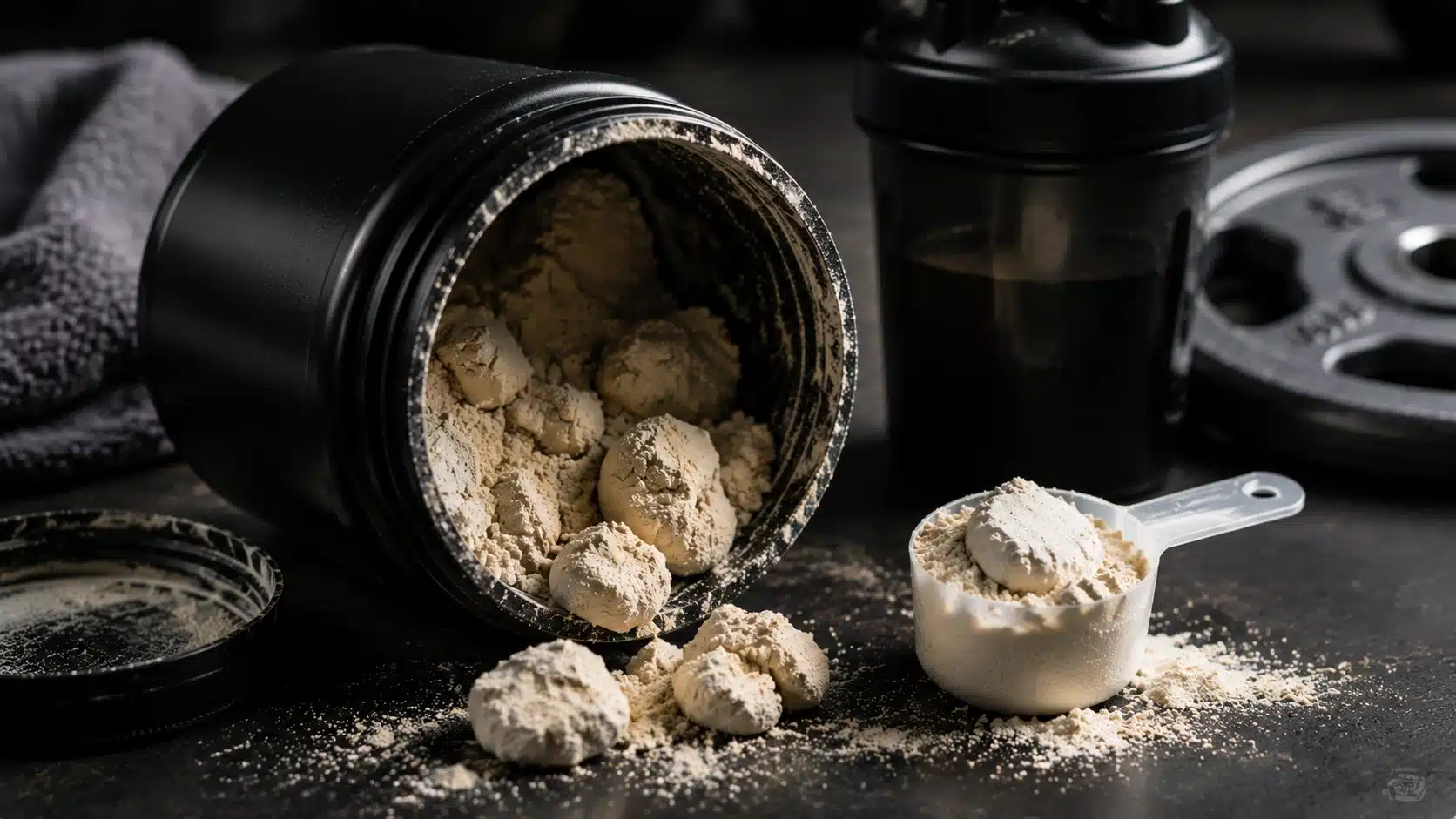
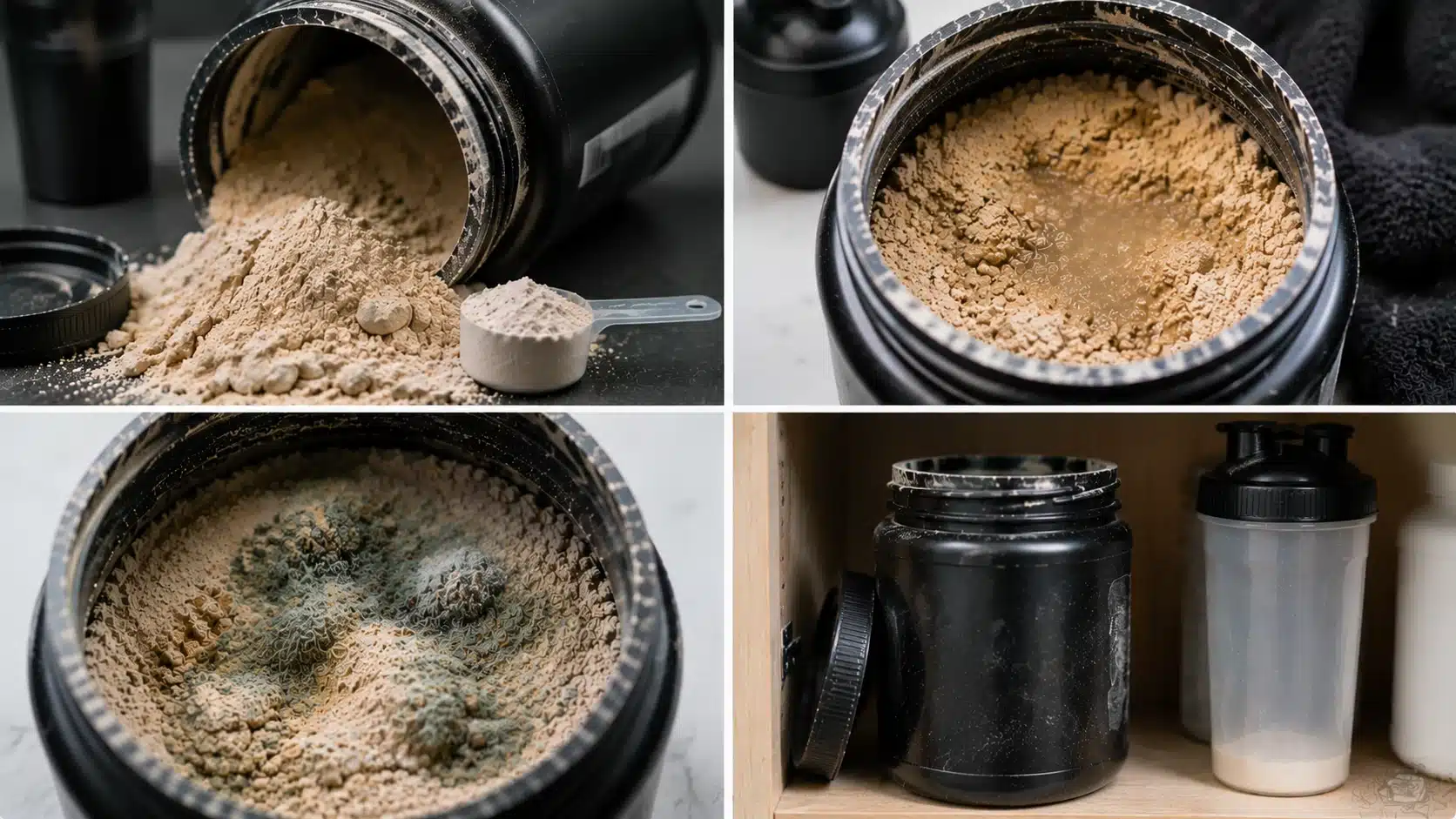
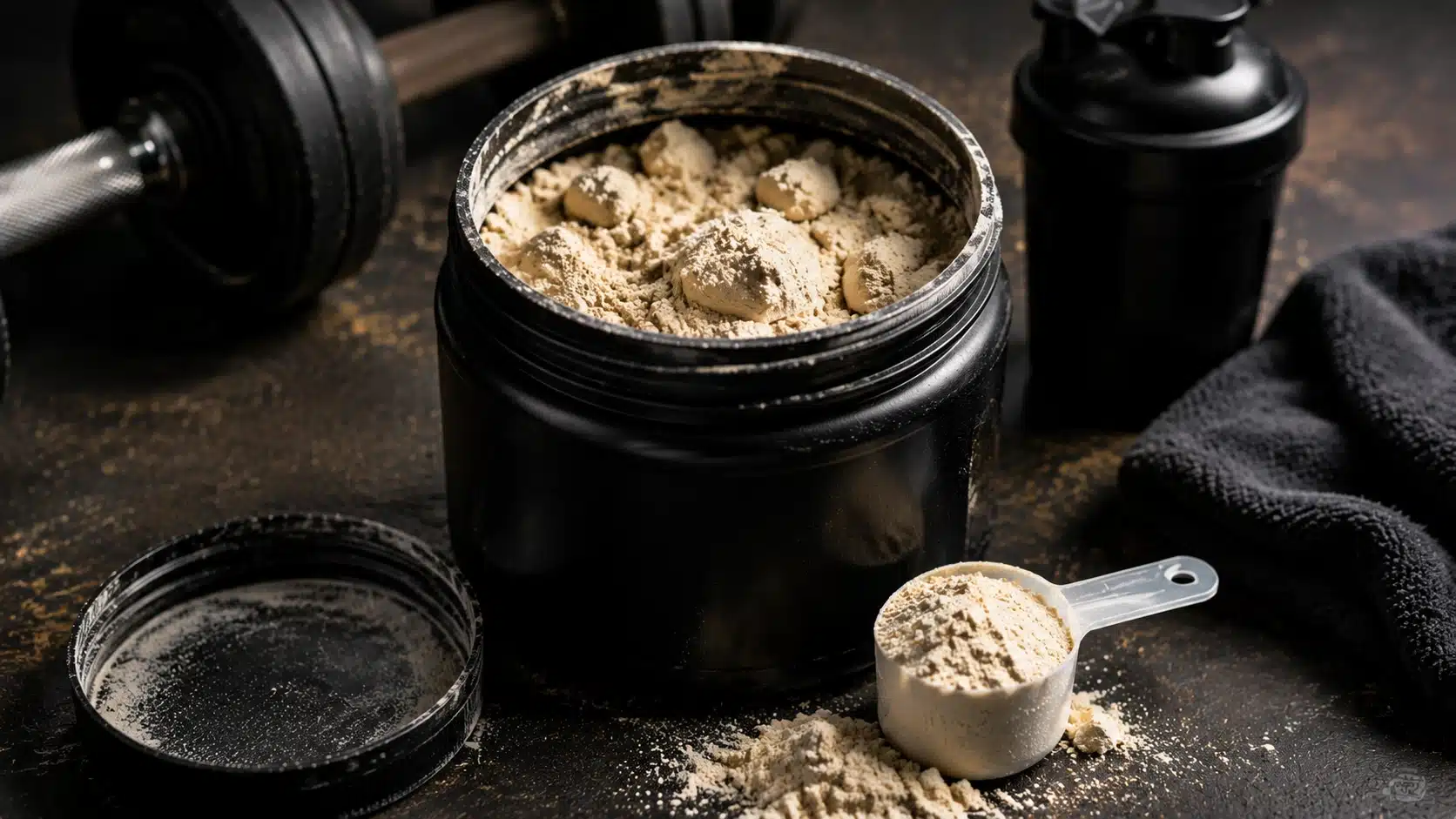
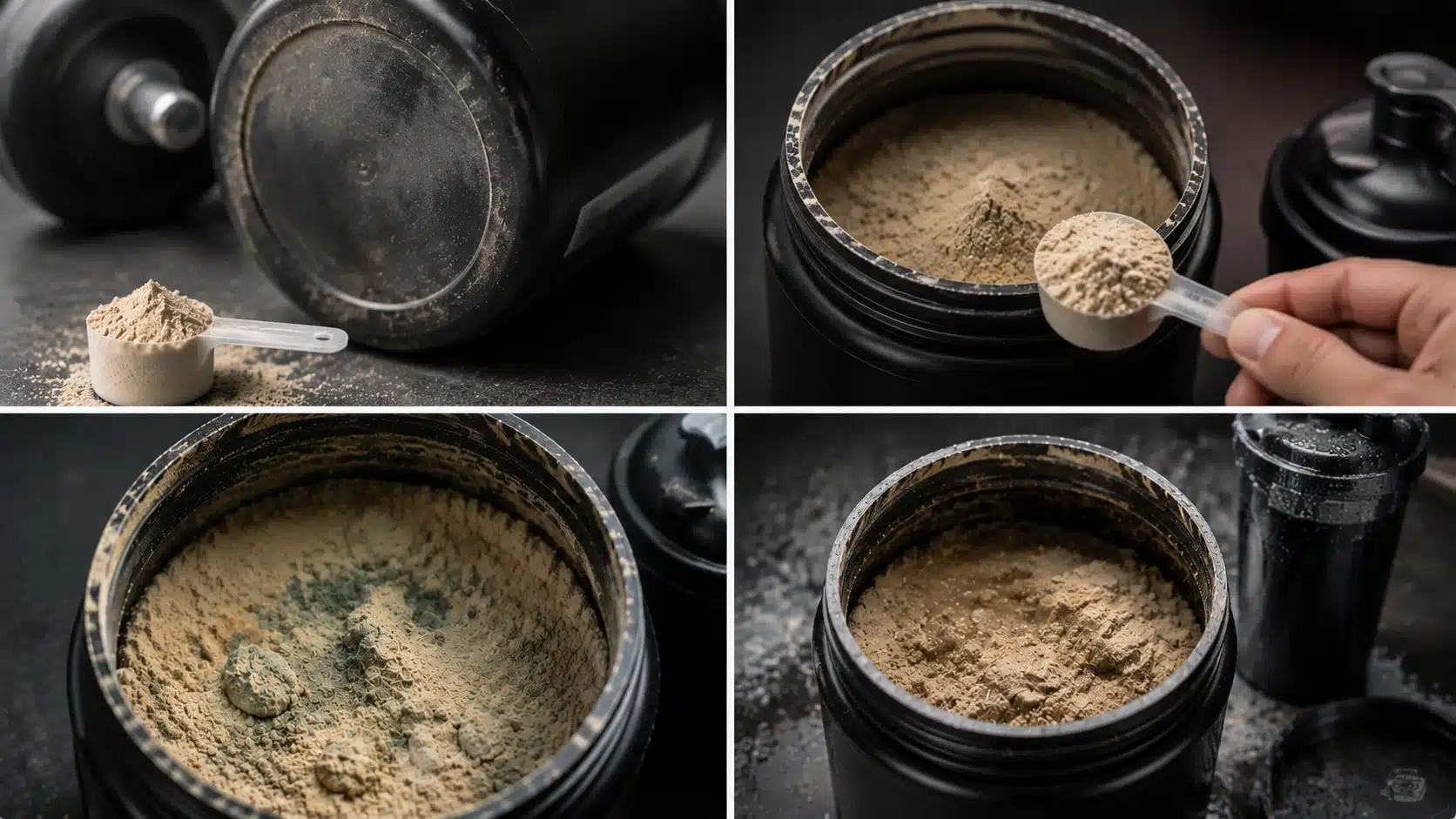
Old powder often clumps, resists dissolving, or turns sticky. Moisture is almost always the cause.
Clumping alone does not always mean spoilage. Hygroscopic ingredients can absorb water and cake up without any bacterial growth happening. The clump is a warning sign worth inspecting, not an automatic reason to throw the tub out.
Wet, sticky, or dark-colored clumps are a different story. Those mean moisture has gotten deep into the powder. Replace the tub at that point.
3. Flavor and Smell Can Change
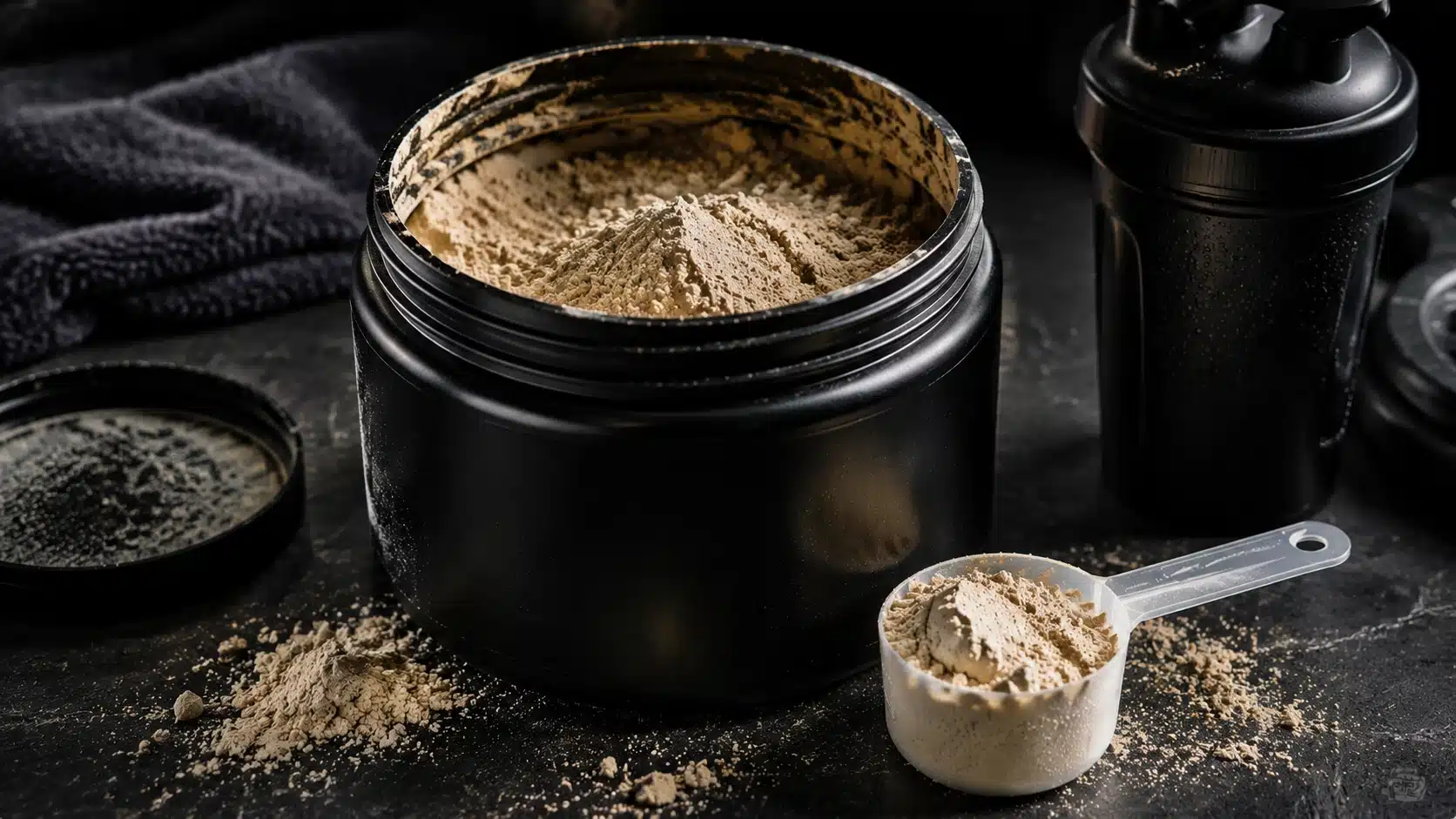
A stale or sour smell points to ingredient breakdown. An off or metallic taste does too. Visibly faded color is another sign. When the flavor is noticeably worse, or the color has clearly shifted, the formula is no longer intact.
Is Expired Pre-Workout Safe to Take?
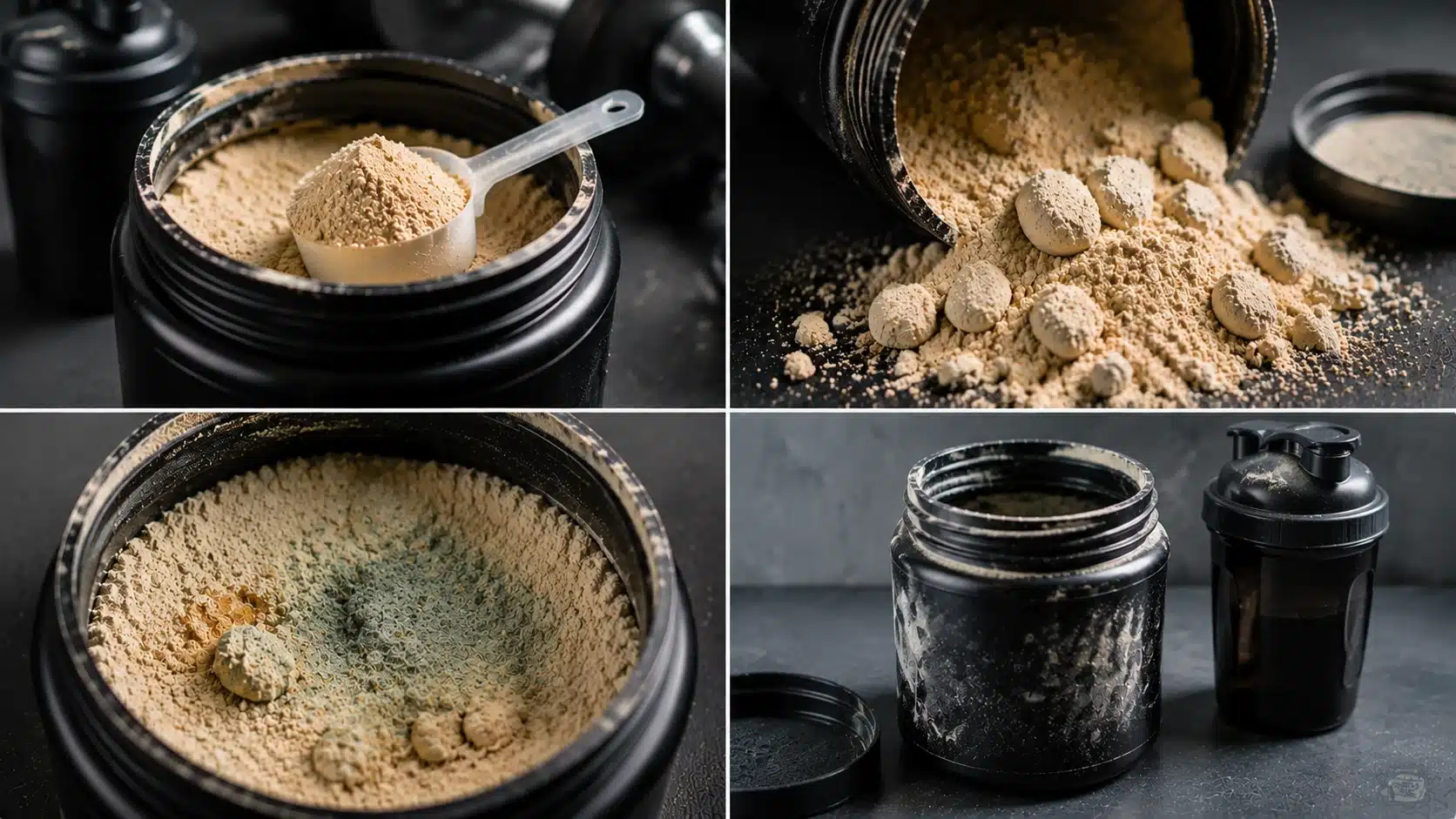
Recently expired pre-workout that was stored well is generally low risk. Safety depends on age, storage history, and physical condition. The date alone does not tell the whole story.
The bigger issue with most expired pre-workout is a flat, underwhelming workout rather than getting sick. Most dry powders do not develop harmful byproducts through normal ingredient degradation.
Moisture changes the situation entirely. When water gets into a tub, bacteria and mold can grow. That is the scenario that turns an expired pre-workout from a performance issue into a genuine health concern.
Do not use expired pre-workout if you notice any of these:
- Visible mold or fuzzy growth anywhere in the powder
- A sour, musty, or chemical odor that was not there before
- Obvious moisture damage or dampness inside the tub
- Unusual discoloration beyond normal color fading
- A broken or compromised packaging seal
Take extra care if you have underlying health conditions, are sensitive to caffeine, or take any medications. In those cases, check with a doctor or pharmacist before using a tub that has passed its best-by date.
How to Tell If Your Pre-Workout Has Gone Bad
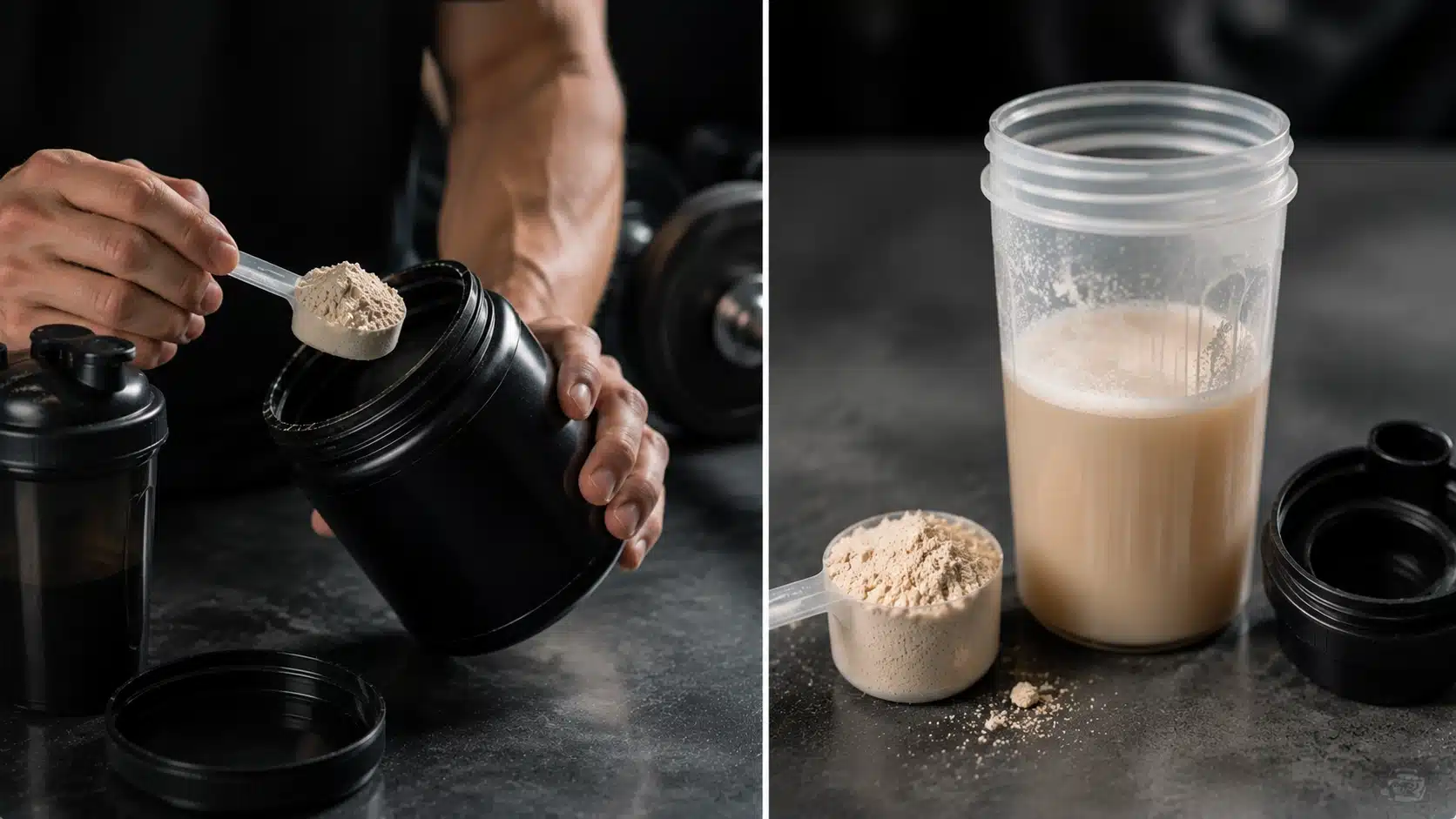
Run through this quick check before you scoop. Make it a habit any time a container has been sitting for a while.
- Check the date. Find the stamp on the bottom or side of the container. Note how far past it you are. A few weeks is very different from two years.
- Inspect the powder. Look at texture and color closely. Large hardened chunks, a wet feel, fuzzy growth, or a color shift are all reasons to stop and reconsider.
- Smell it before you scoop. Fresh pre-workout should smell close to its original flavor. A sour, musty, or chemical odor means the tub belongs in the trash.
- Test how it mixes. Pour a small amount into water. Powder that once dissolved smoothly but now refuses to break down has likely absorbed moisture and lost quality.
Why Does Pre Workout Get Clumpy?
Moisture is almost always responsible. Several common ingredients, including glycerol, L-Citrulline, and Beta-Alanine, actively attract water from the surrounding air. In a humid room, they pull that moisture in fast. Loose powder turns into solid chunks quickly.
Storing your tub in a bathroom, a warm kitchen, or anywhere near steam speeds this process up dramatically.
Small, dry clumps that break apart easily usually only affect texture, not safety. Break them up before scooping and carry on.
Wet, sticky, or moldy clumps are a different situation. Those mean real moisture has entered the tub. Replace the product rather than working around the clumps.
How to Store Pre-Workout Properly
Good storage is the single biggest thing you control. A few consistent habits can add months of usable life to every tub.
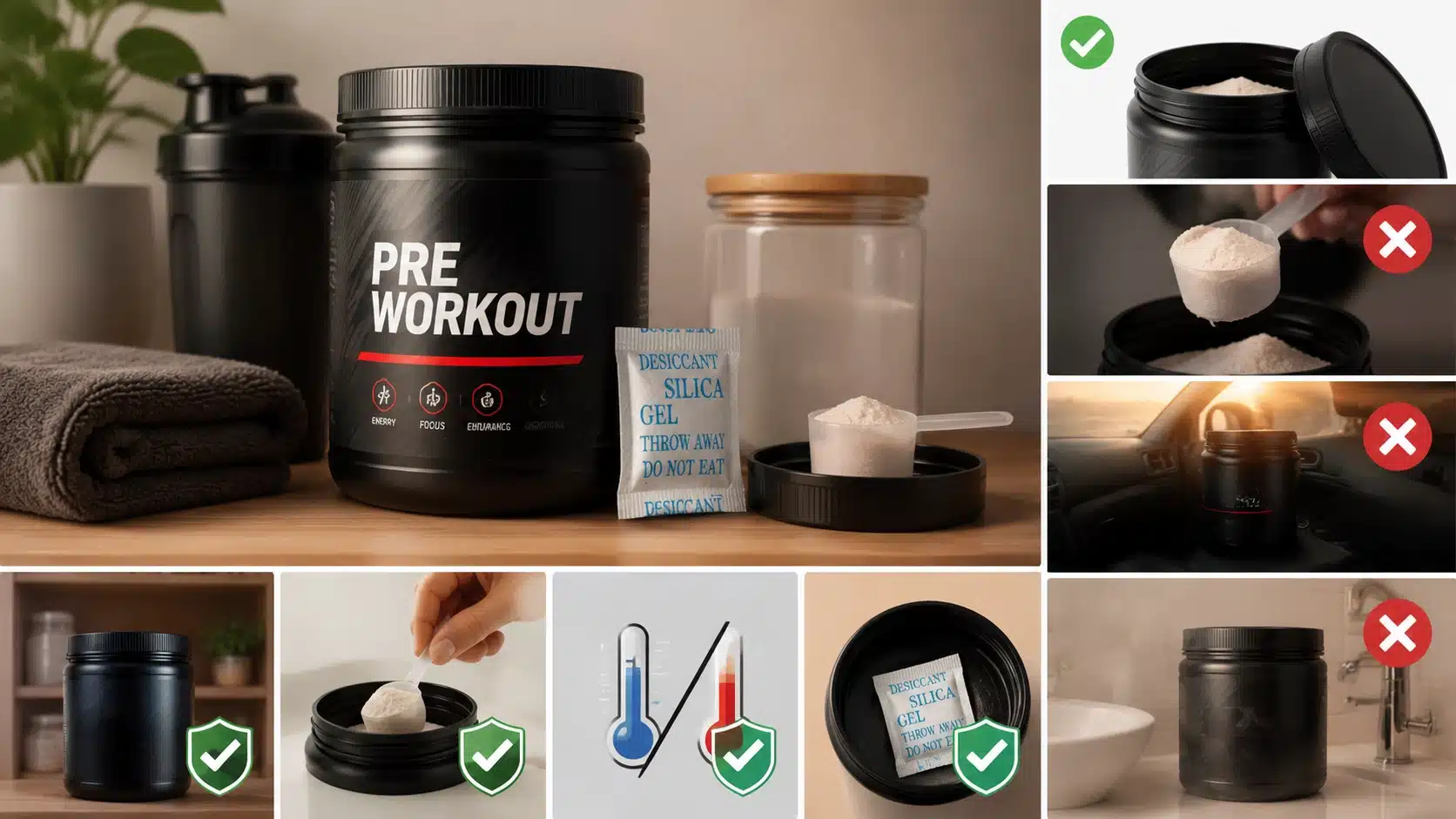
- Seal the lid tightly after every single use
- Store the tub in a cool, dry place such as a pantry or kitchen cupboard
- Keep it away from direct sunlight, since light breaks down B vitamins faster than heat does
- Use a completely dry scoop every time, without exception
- Keep the tub away from steam, sinks, bathroom counters, and hot cars
- Leave the desiccant packet inside the tub; it absorbs residual moisture, and it is doing its job
- If the original packaging feels flimsy or the seal is poor, move the powder to an airtight opaque container
Adding a food-safe silica gel desiccant packet inside an opened tub is one of the most effective moves you can make, especially if you live somewhere humid.
One thing to skip: refrigerating the tub. Storing in a cool, dry place is the right goal. The fridge is too cold, and pulling the tub in and out creates condensation. That condensation introduces exactly the moisture you are trying to prevent.
The table below shows how common mistakes shorten shelf life.
| Storage Mistake | Effect on Shelf Life |
|---|---|
| Leaving the lid open between uses | Faster oxidation and moisture absorption |
| Using a wet scoop | Creates clumps, speeds ingredient breakdown |
| Storing in heat or a hot car | Speeds degradation of amino acids and vitamins |
| Storing near direct sunlight | Degrades B vitamins and causes color fading |
| Storing in a bathroom or humid room | Causes clumping and potential mold risk |
| Refrigerating the tub | Condensation introduces moisture when removed |
Does Expired Pre Workout Still Work?
It might still work. How much depends entirely on age and storage history.
Because ingredients break down at different rates, an old scoop often delivers uneven results. The stable caffeine may still give you energy. Meanwhile, the amino acids driving pumps and endurance have already gone quiet. You feel wired but flat.
Do not compensate by taking a bigger scoop. This is where people get into trouble. Caffeine is the most stable ingredient in the tub.
Doubling the scoop mostly increases your stimulant load rather than recovering the lost pump or endurance benefits. The result is a higher heart rate, jitteriness, and possible anxiety with no real performance gain.
When Should You Throw Away Pre-Workout?
Some situations make the decision easy. Replace the tub without hesitation if any of these are true:
- It is several years past the best-by date
- It smells sour, musty, or otherwise off
- There is visible mold anywhere in the powder
- The powder feels damp or shows moisture damage inside
- The container was left open for a long stretch of time
- You cannot confirm how or where it was stored
When two or more of these overlap, replacement is the clear call. A fresh tub costs far less than a wasted training block built on a formula that no longer delivers.
Disclaimer: This article is for general informational purposes only and is not medical advice. Supplement ingredients and individual tolerances vary. If you have a health condition or take any medications, consult a doctor or pharmacist before using any supplement past its best-by date.
Frequently Asked Questions
Can you take pre-workout after it expires?
Yes, if it was stored properly and only recently expired. Such tubs are generally low risk, though potency fades so that the effects may feel noticeably weaker.
How long does pre-workout last after opening?
Most opened tubs stay at their best for about 6 to 12 months when kept away from heat and moisture. Warm or humid storage shortens that window considerably.
Does dry pre-workout go bad?
Yes, eventually. Dry powder lasts a long time, but moisture causes clumping and ingredient breakdown, while light and heat slowly degrade certain vitamins and amino acids.
Can expired pre-workout make you sick?
Rarely, if it was stored well and only slightly expired, the main risk is moisture allowing mold or bacteria to grow. If you see mold, toss it.
Can you fix clumpy pre-workout?
Small dry clumps can be broken apart and used safely, since clumping alone is not spoilage. But wet, sticky, or moldy powder should be replaced right away.
Does creatine in pre-workout go bad?
Creatine monohydrate is very stable in dry powder form and degrades slowly on the shelf. In water, it converts to inactive creatinine within hours. Drink any mixed pre-workout promptly rather than letting it sit, especially if the formula lists creatine monohydrate as an ingredient.
Trust Your Senses, Not Just the Date
So, doespre-workout expire? Yes, but the date is a potency guideline, not a danger line.
A well-stored tub just past its date is usually low risk, even if the pump and endurance ingredients have faded while the caffeine holds strong. Let a ten-second check decide: clumping, off smells, discoloration, or mold mean toss it.
To stretch every tub, keep the lid sealed, use a dry scoop, and store it somewhere cool and dry. When unsure, replace it, and never add extra scoops to chase lost effects, since that only adds stimulant.