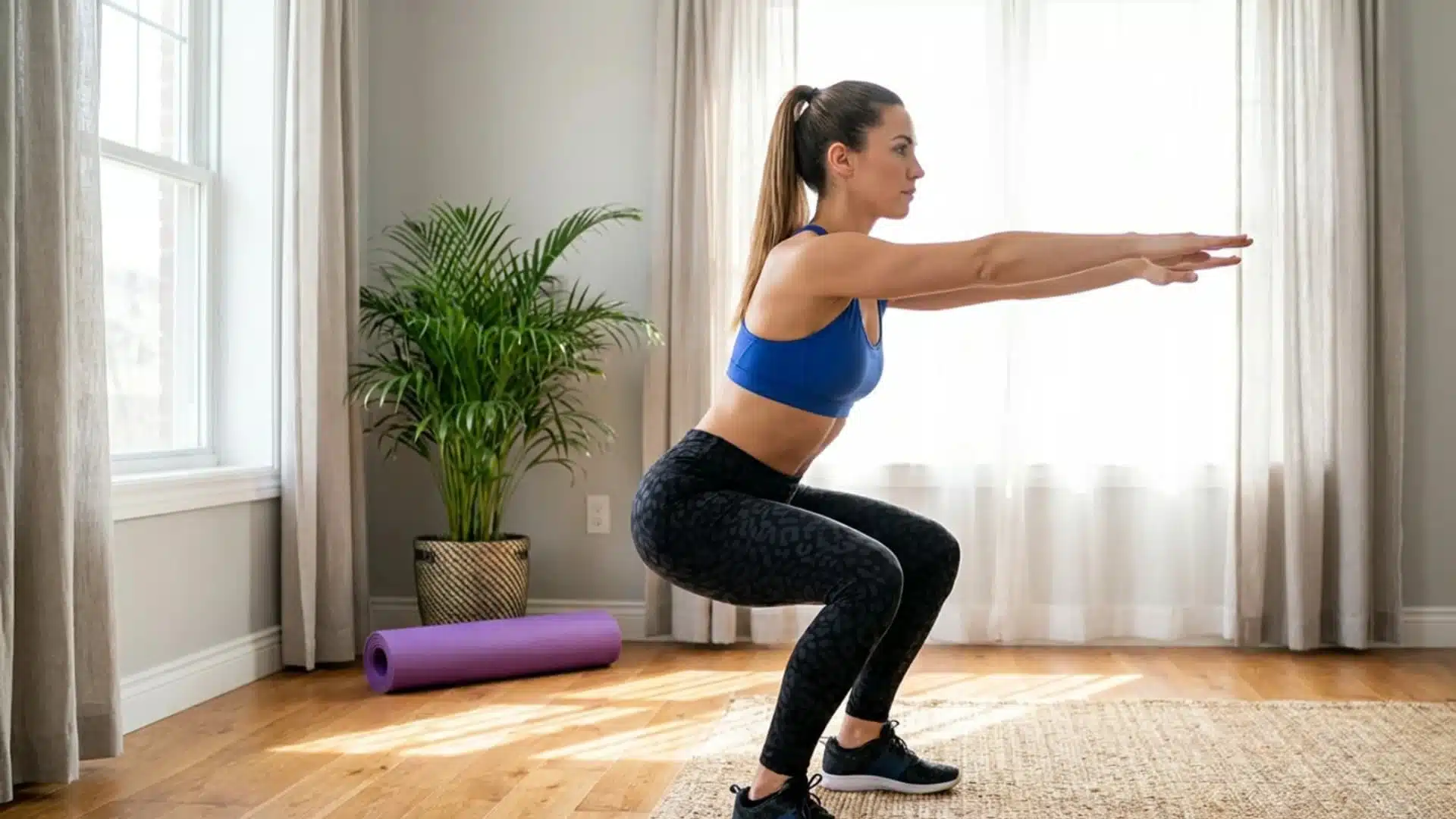
Building strong glutes at home does not require a gym. Bodyweight exercises, resistance bands, and dumbbells can all build strength when combined with proper form, progressive overload, and consistency.
This post covers the best butt workouts at home, from beginner exercises to weekly routines, plus warm-ups, nutrition tips, recovery advice, and answers to common glute training questions.
Best Butt Workouts at Home
These ten exercises target the glute muscles through different movement patterns. Performed consistently with good form, they build strength, support hip stability, and produce long-term muscle development.
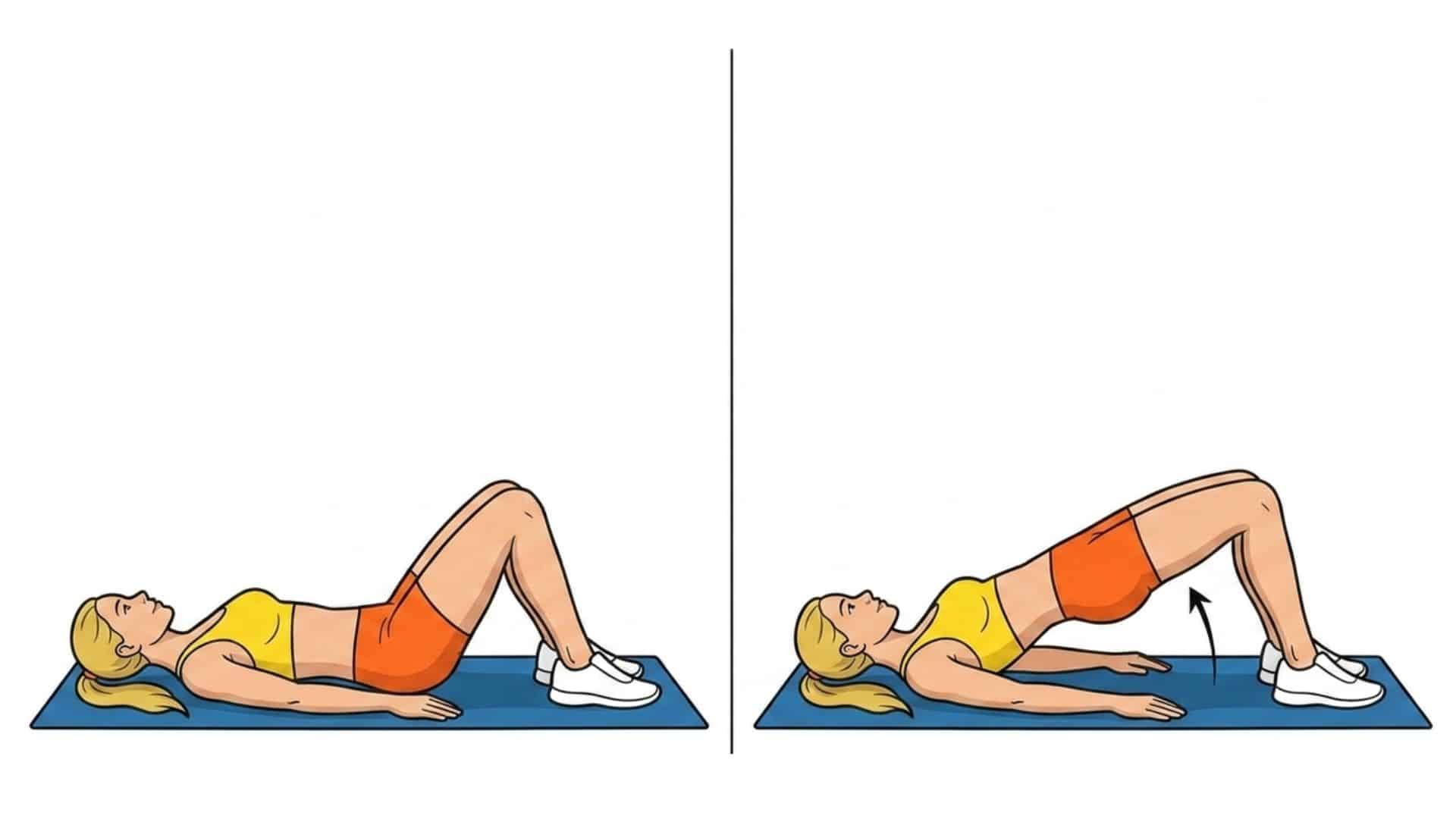
1. Glute Bridges
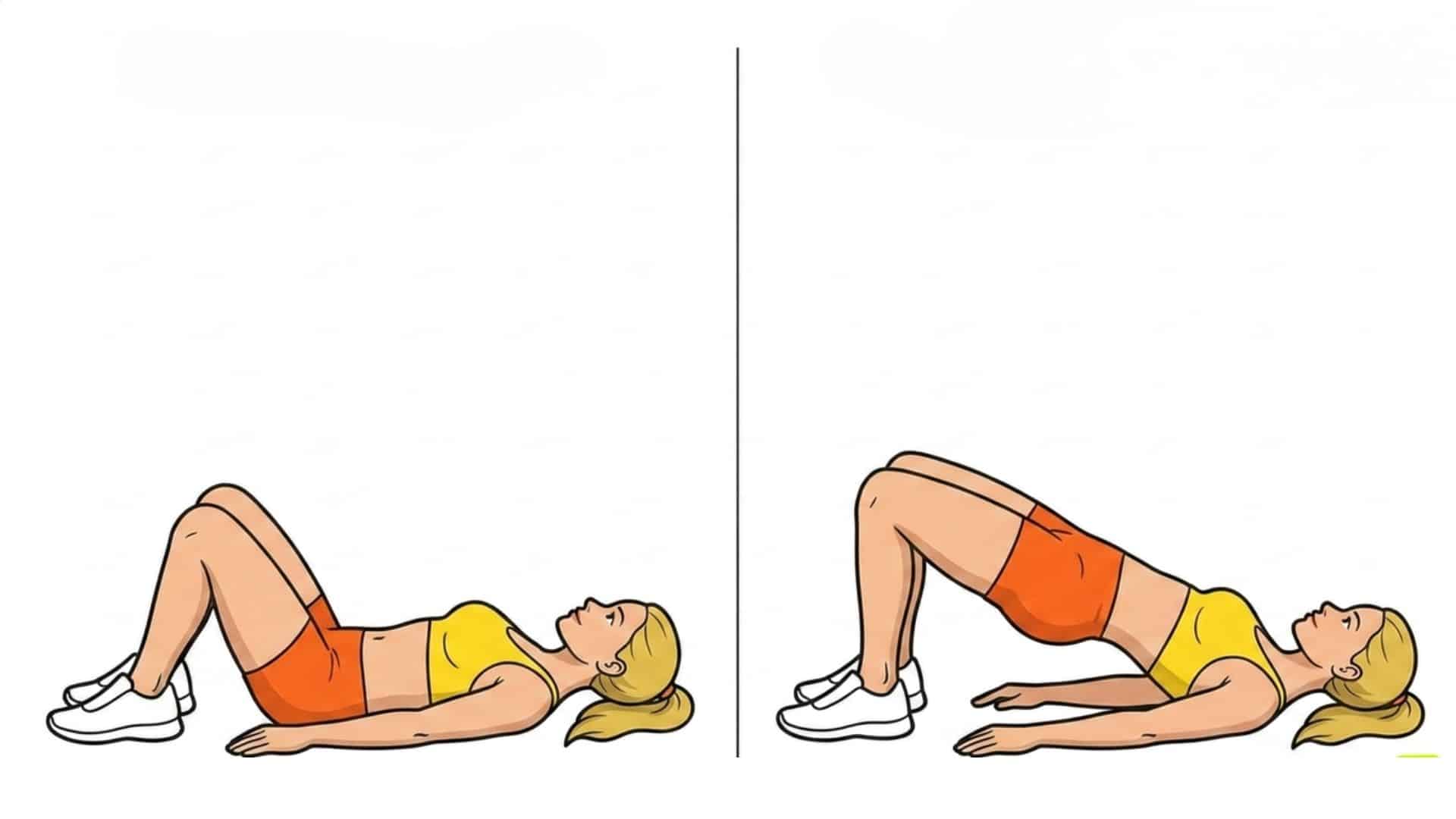
Glute bridges train the gluteus maximus and hamstrings together. They work well early on because they build hip extension strength without loading the knees.
How to do it: Lie on your back with knees bent and feet flat on the floor, hip-width apart. Push through your heels to lift your hips until your body forms a straight line from shoulders to knees. Squeeze your glutes hard at the top, hold for one second, then lower slowly.
2. Hip Thrusts
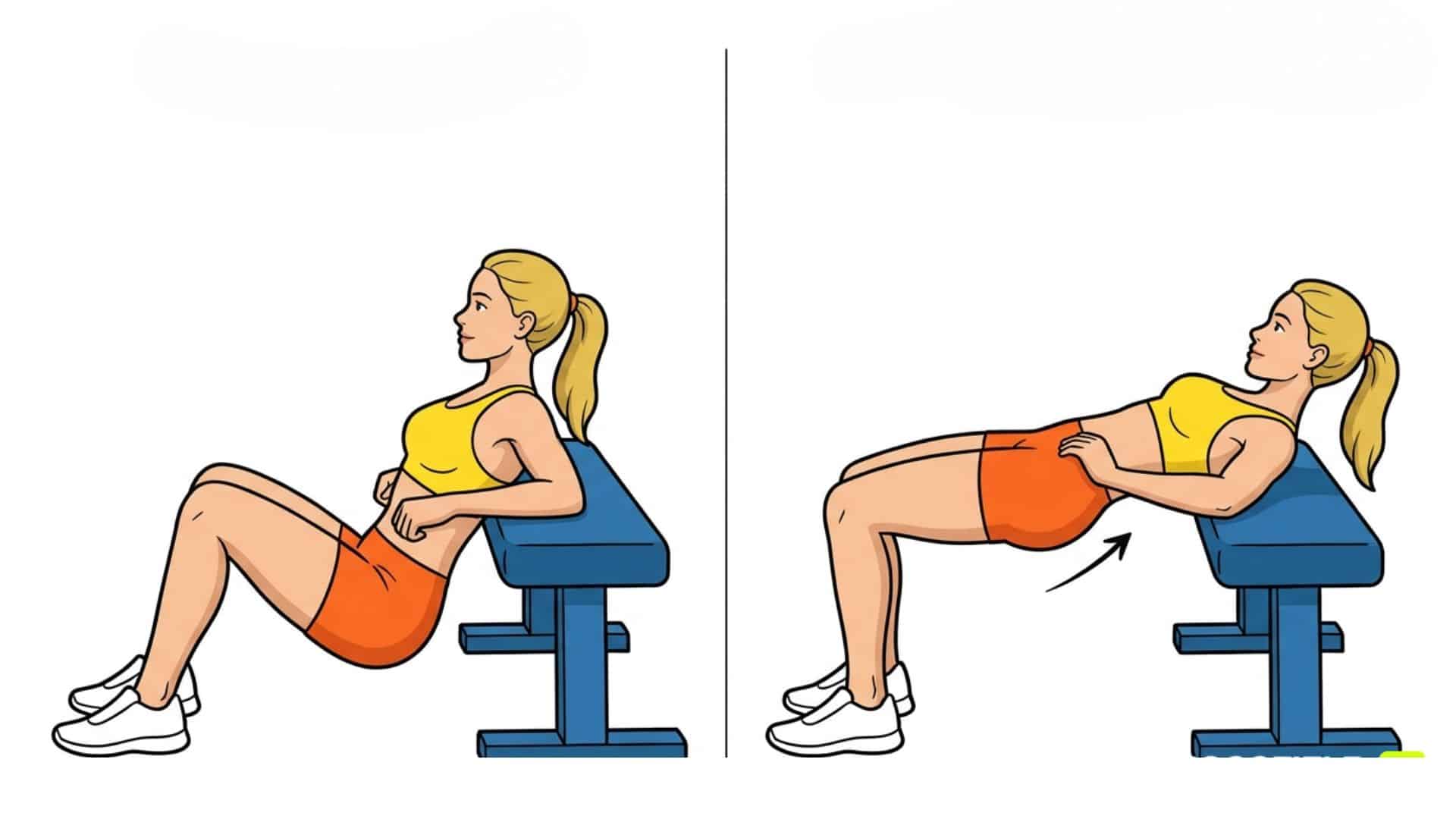
Hip thrusts create more range of motion than flat bridges. That increases tension on your glutes at the top of each rep. This makes hip thrusts one of the most effective glute exercises available.
How to do it: Rest your upper back against a couch or sturdy chair at shoulder-blade height. Place your feet flat on the floor with knees bent at roughly 90 degrees at the top position. Push your hips up by squeezing your glutes, hold briefly, then lower with control.
3. Bodyweight Squats
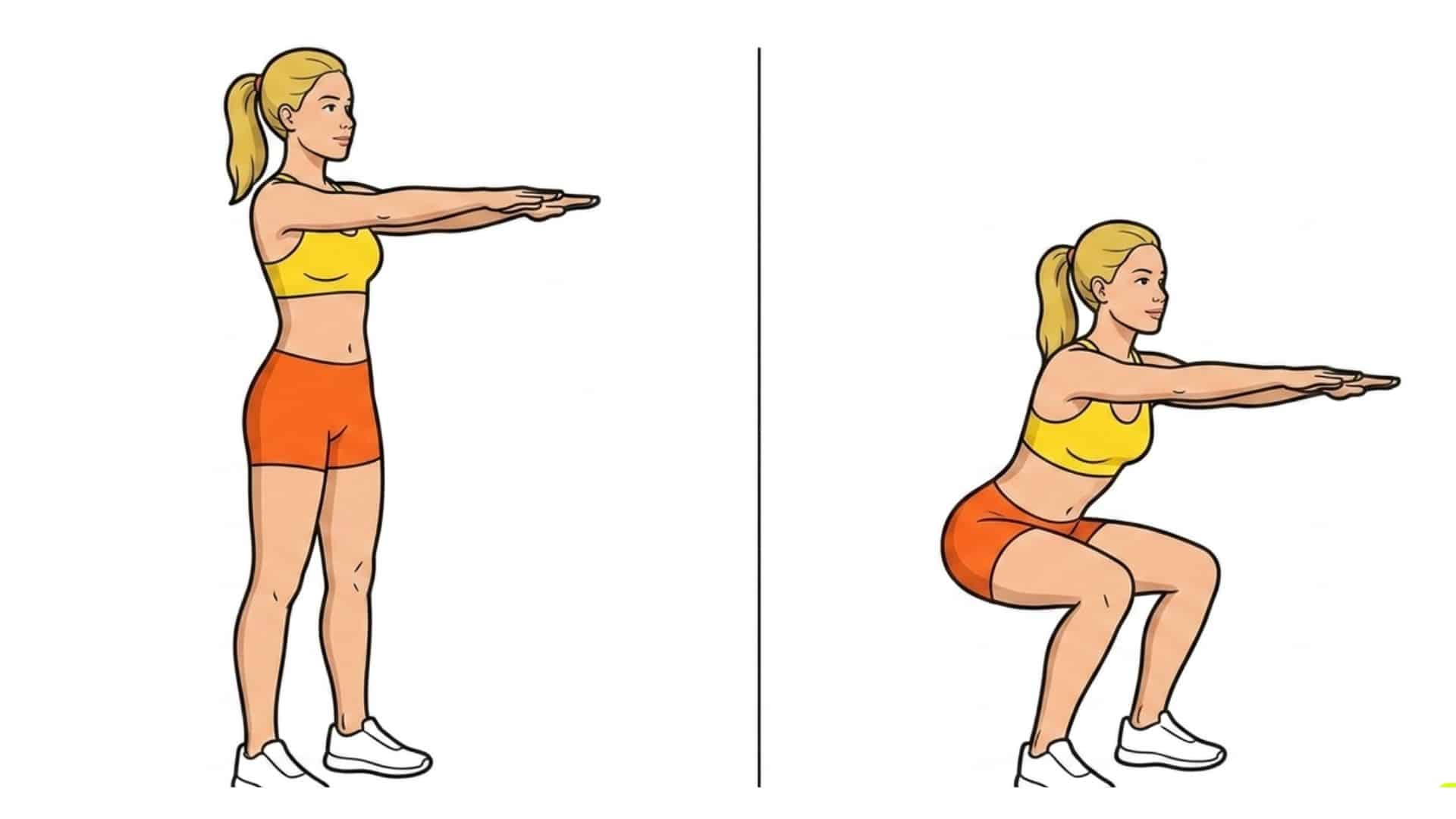
Squats train the glutes, quads, and core at the same time. Depth and control matter far more than speed here.
How to do it: Stand with feet shoulder-width apart and toes turned slightly out. Sit your hips back and down, keeping your chest tall. Lower until your thighs are at least parallel to the floor, then press through your heels to stand. Rushing through reps shifts the work away from your glutes.
4. Bulgarian Split Squats
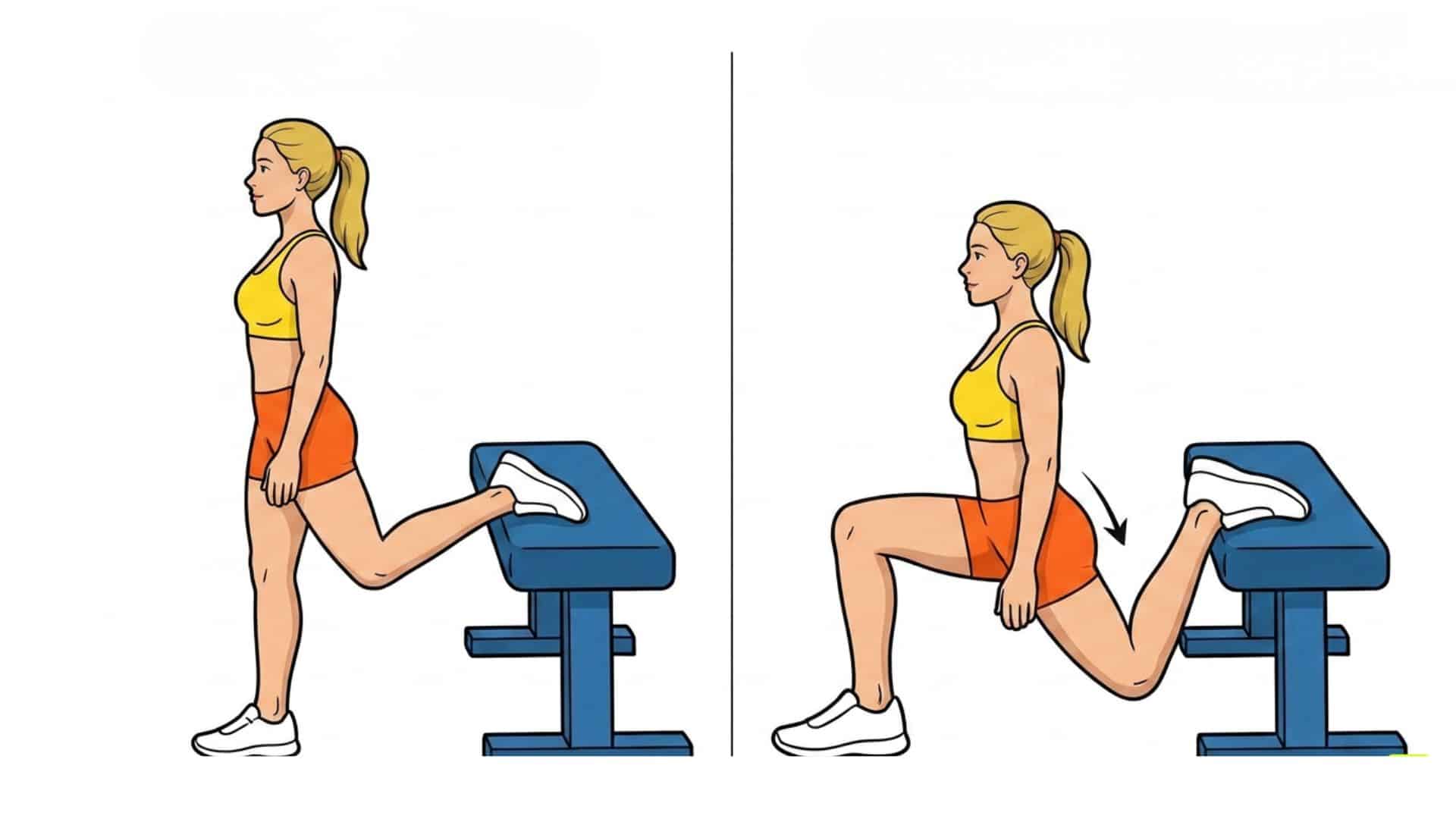
This single-leg move builds strength on each side independently. It also corrects imbalances between your left and right glutes that a regular squat hides.
How to do it: Place one foot behind you on a couch or chair. Step your front foot far enough forward so your front shin stays close to vertical at the bottom. Lower your back knee toward the floor, then push through your front heel to return.
5. Reverse Lunges
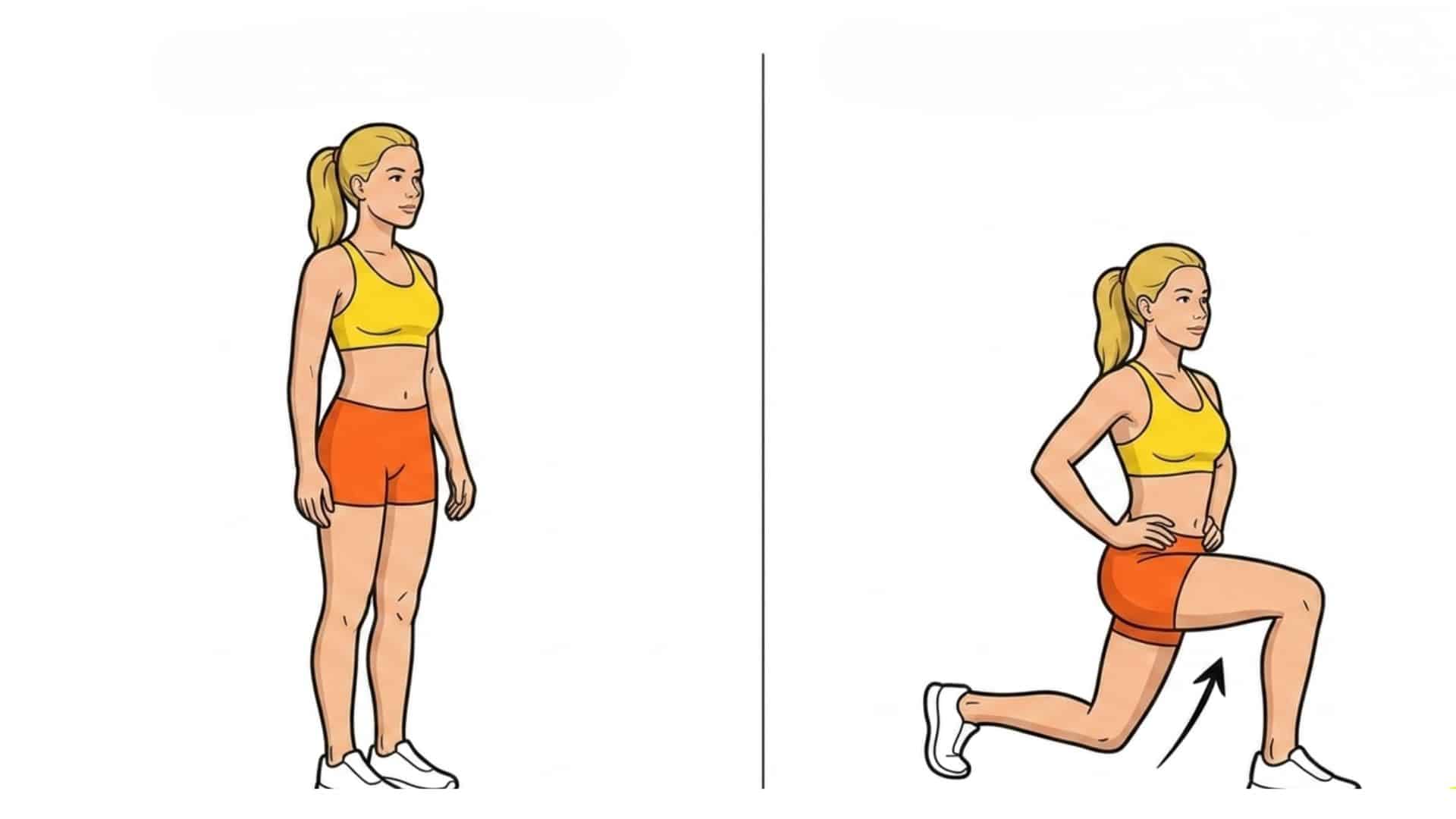
Reverse lunges build lower-body strength with less knee stress than forward lunges. That makes them a smart option at any training level.
How to do it: Stand tall, then step one foot back and lower your back knee toward the floor. Keep your front knee stacked roughly above your ankle. Press through your front heel to stand. Alternate sides or complete all reps on one leg before switching.
6. Donkey Kicks
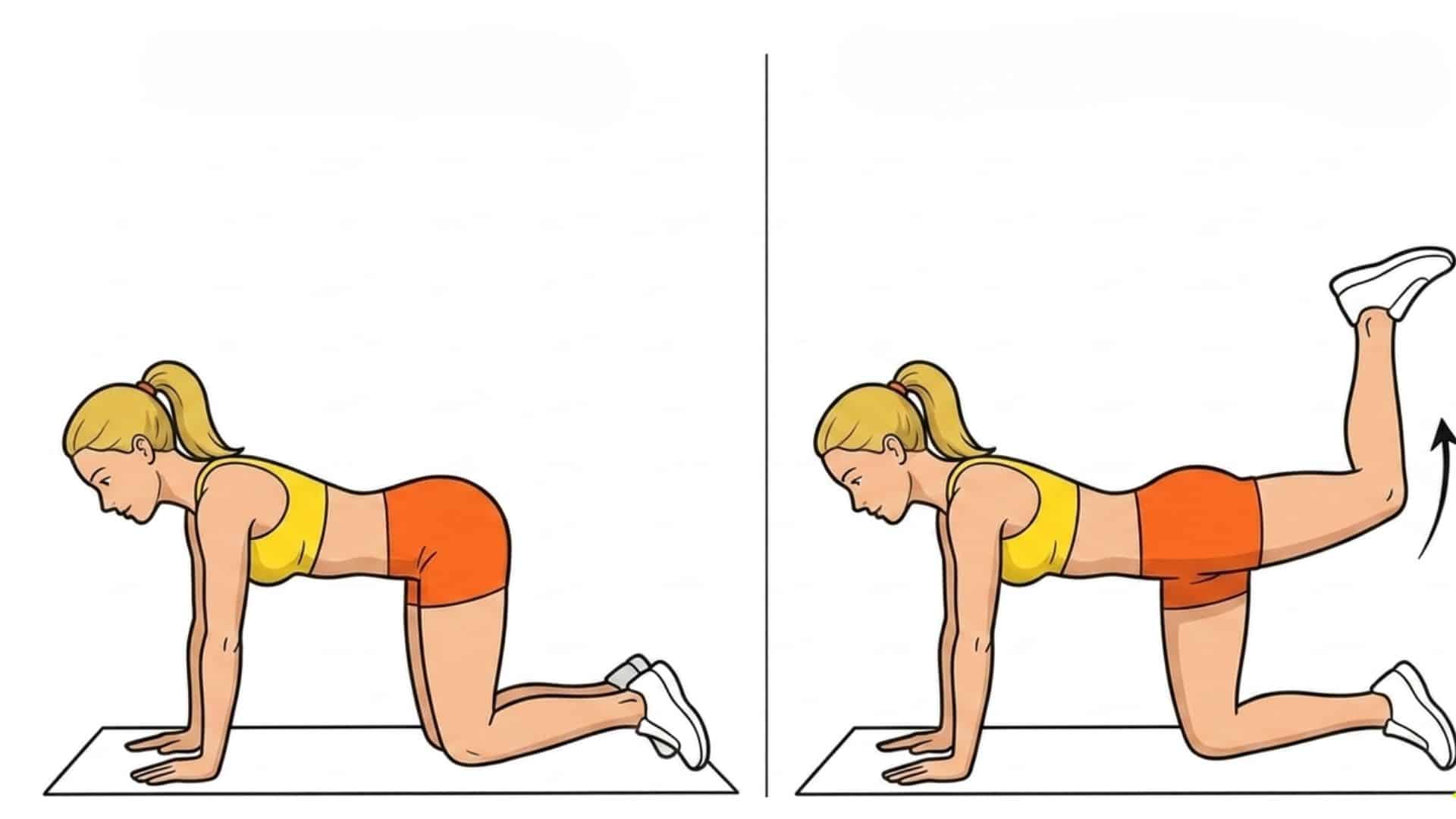
Donkey kicks isolate the glutes directly. They help you learn to feel your glutes activate before heavier exercises begin.
How to do it: Start on hands and knees with your back flat. Keep your kicking knee bent at 90 degrees and push your heel straight toward the ceiling. Keep your hips level throughout. Squeeze at the top of each rep before lowering slowly.
7. Fire Hydrants
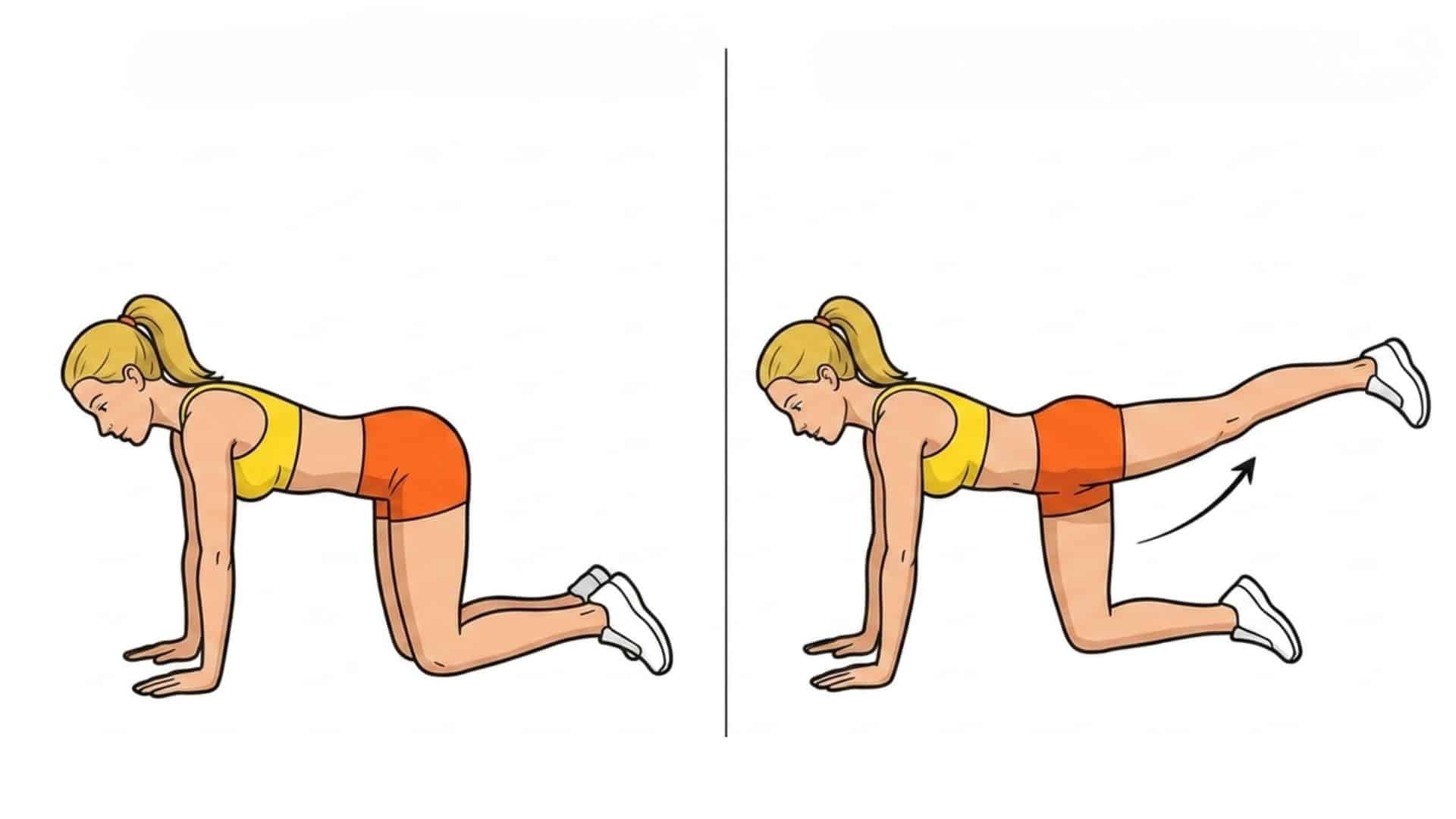
Fire hydrants target the side of the glutes and build hip stability. Squats and bridges mostly miss this area, so fire hydrants fill an important gap in any glute program.
How to do it: From hands and knees, lift one knee out to the side. Keep it bent at 90 degrees throughout. Stop when your thigh is parallel to the floor. Avoid rotating your hips as you lift. Lower with control and repeat on the same side before switching.
8. Step-Ups
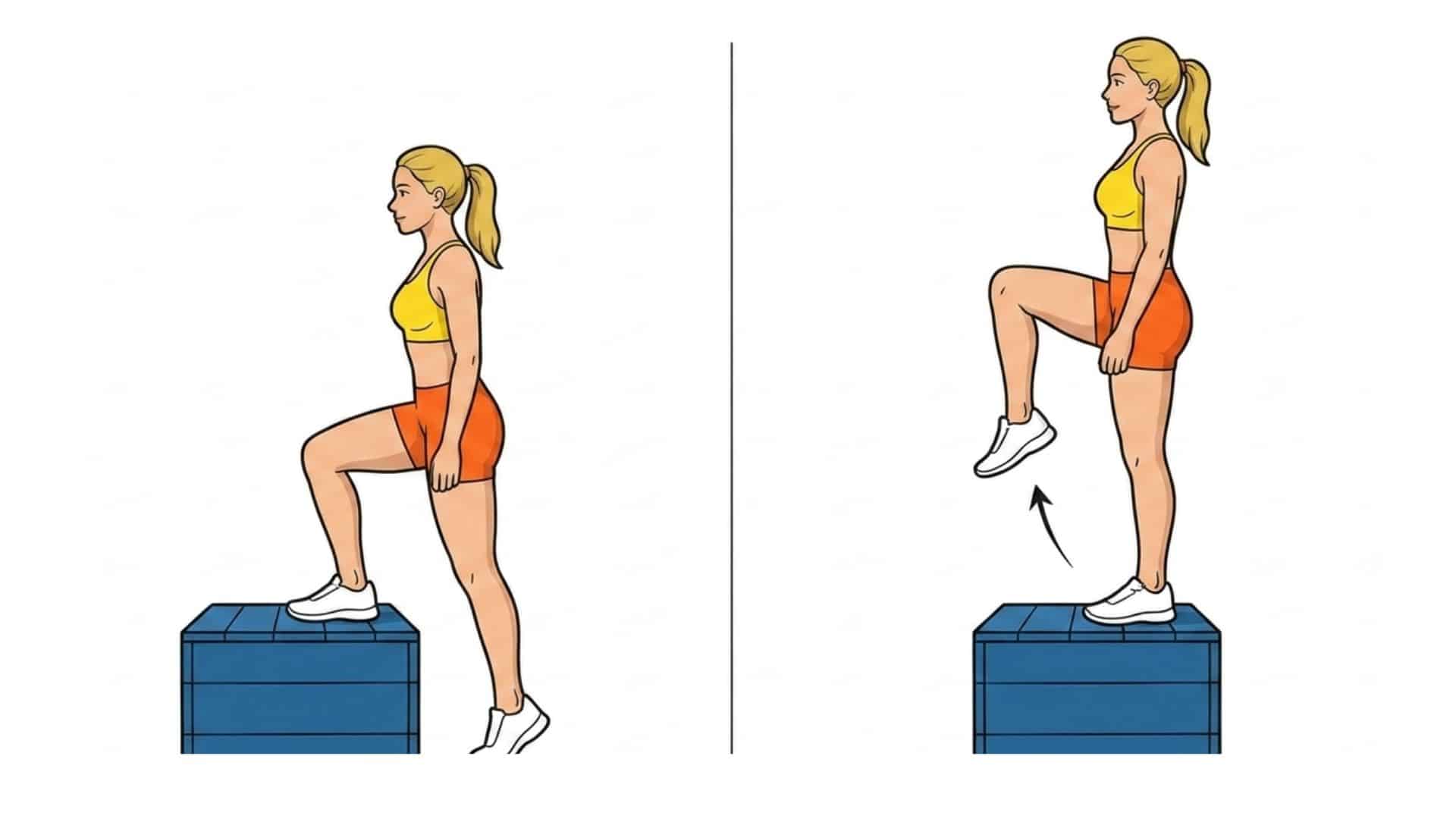
Step-ups mimic functional movement like climbing stairs or standing from a low seat. They work the glutes through a single-leg pattern that challenges balance and strength together.
How to do it: Stand in front of a sturdy chair, box, or staircase. Place one foot fully on the surface and push through that heel to stand tall. Lower back down slowly. Complete all reps on one leg before switching.
9. Single-Leg Glute Bridges
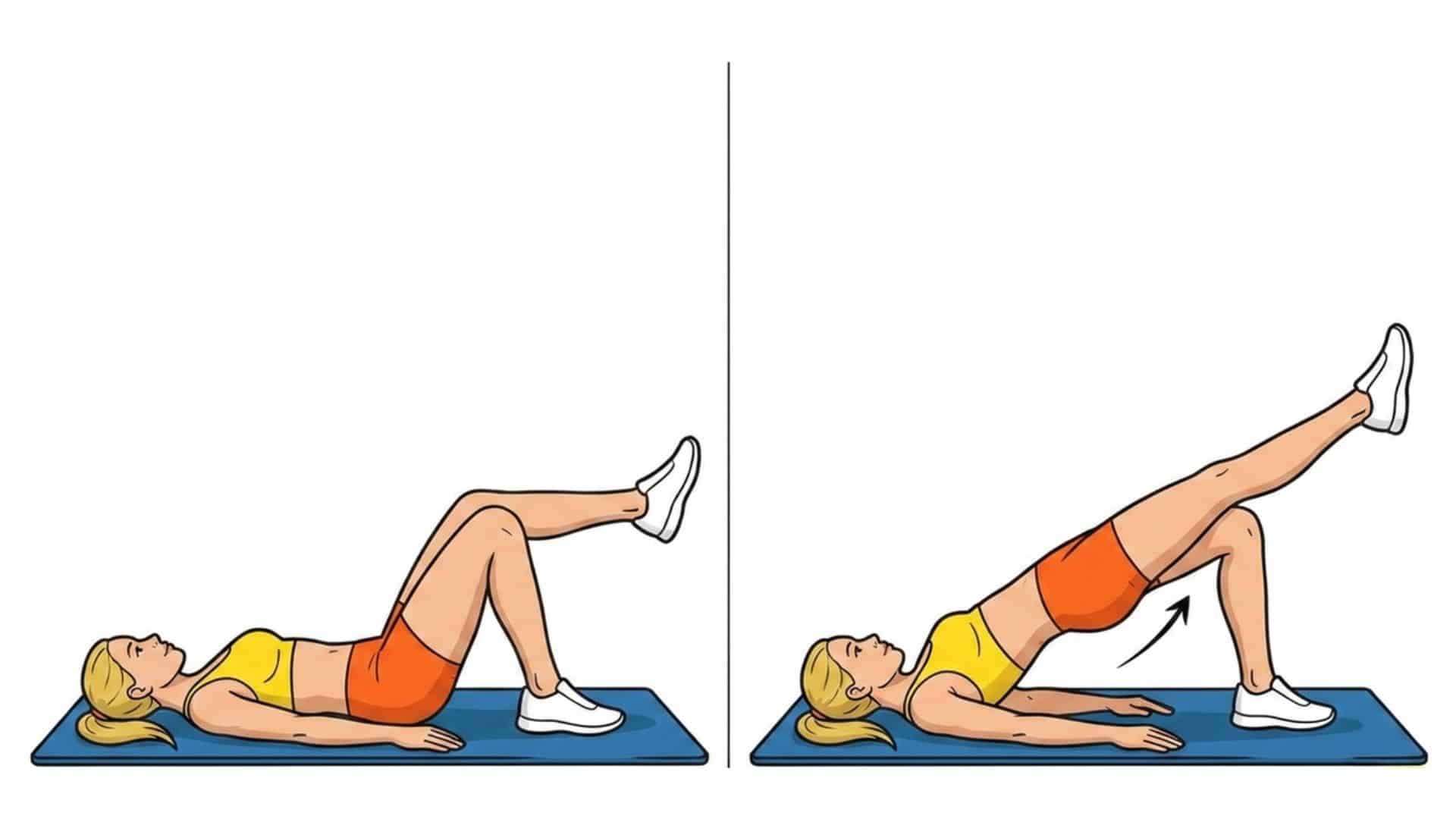
This variation makes a familiar exercise much harder. It also reveals strength differences between sides that a two-legged bridge can mask.
How to do it: Set up the same as a regular glute bridge. Extend one leg straight out, keeping both thighs level. Push through the planted heel to lift your hips. Lower slowly and complete all reps before switching legs.
10. Frog Pumps
Frog pumps work well as a high-rep finisher after heavier exercises. They maintain tension on the glutes when your legs are too fatigued for larger movements.
How to do it: Lie on your back. Bring the soles of your feet together, letting your knees fall out to the sides. Push your hips up by squeezing your glutes, then lower. Keep the movement controlled and focus on the squeeze at the top.
What Muscles Do Butt Workouts Target?
Your glutes consist of three separate muscles. Training all three requires more than one type of movement pattern.
- Gluteus maximus: The largest of the three, responsible for hip extension and most of the power in squats, bridges, and hip thrusts. This muscle determines overall size.
- Gluteus medius: Located on the outer hip, this muscle controls lateral stability and keeps your pelvis level when you walk, run, or stand on one leg.
- Gluteus minimus: The smallest of the three, it works alongside the medius to stabilize the hip during single-leg activities.
A well-rounded glute program includes hip extension exercises, hip abduction movements, and single-leg stability work. Relying on squats alone leaves the medius and minimus undertrained.
15-Minute Butt Workout at Home for Beginners
This routine uses simple bodyweight movements to cover all three glute muscles. It pairs activation and strength exercises to build control and set a foundation for harder variations later. Complete two to three rounds, resting 30 to 60 seconds between rounds. Prioritize form over speed throughout.
| Exercise | Reps |
|---|---|
| Glute bridges | 15 reps |
| Bodyweight squats | 12 reps |
| Donkey kicks | 12 reps each side |
| Fire hydrants | 12 reps each side |
| Reverse lunges | 10 reps each side |
Butt Workout at Home Without Equipment
Bodyweight training works well on its own, especially when building strength from scratch. Once the basic exercises feel manageable, you can raise the difficulty without adding any equipment at all.
- Slow the tempo: A three-second lowering phase forces your muscles to work harder through a longer range of motion.
- Add a pause: Holding the top position of a bridge or squat for two to three seconds raises time under tension and increases the challenge.
- Increase reps or sets: Adding rounds or total reps raises volume without changing the movement itself.
- Progress to single-leg variations: Single-leg bridges and split squat progressions are much harder than their two-legged versions and do not require any equipment.
These adjustments keep your muscles adapting long before you need to invest in bands or weights.
Butt Workouts at Home With Resistance Bands
A resistance band adds constant tension throughout a movement that bodyweight training alone cannot replicate. That tension increases glute activation across exercises like bridges, squats, and abduction moves. Place the band just above your knees for most exercises. For lateral walks, try positioning it around your ankles for a more intense burn in the outer glutes.
Effective band exercises include:
- Banded glute bridges
- Banded squats
- Lateral band walks
- Banded kickbacks
- Clamshells
A common mistake is letting your knees cave inward against the band’s resistance instead of actively pushing them out. That shifts the work away from the glutes entirely.
Butt Workouts at Home With Dumbbells
Dumbbells let you load movements in ways resistance bands cannot fully replicate. They become necessary once bodyweight and band versions no longer challenge you enough to keep you progressing.
Good dumbbell options for glute training include:
- Dumbbell squats
- Romanian deadlifts
- Weighted hip thrusts (dumbbell resting on hips)
- Weighted lunges
- Bulgarian split squats with dumbbells
The goal with added weight is progressive overload. Gradually increase the load, reps, or sets over weeks so your muscles keep adapting instead of plateauing. Start light enough to maintain clean form, then add resistance as your strength builds.
Best Butt Workout Routine for Growing Glutes at Home
Training frequency and recovery both matter for glute growth. The schedule below gives your muscles enough stimulus to develop while allowing time to repair between sessions. Adjust it based on how your body responds after the first two weeks.
| Day | Focus |
|---|---|
| Monday | Glute strength workout |
| Tuesday | Rest or light walking |
| Wednesday | Glute activation and mobility |
| Thursday | Rest |
| Friday | Glute strength workout |
| Saturday / Sunday | Mobility work or full rest |
Training your glutes two to three times per week gives the muscles enough work to grow. It also preserves the recovery time they need between sessions.
Butt Workout at Home for a Bigger Butt
Building noticeably bigger glutes requires more than just picking the right exercises. Four factors work together to produce results:
- Progressive overload: The resistance, reps, or difficulty must increase over weeks and months. Staying at the same level gives your muscles no reason to grow.
- Training volume: A handful of light sets is rarely enough. Aim for 10 to 20 working sets per week across your glute training sessions.
- Protein intake: Sufficient protein supports the muscle repair that happens after each training session.
- Recovery: Glute growth happens between sessions, not during them. Rest is a required part of the process, not an optional one.
Hip thrusts, Bulgarian split squats, Romanian deadlifts, and weighted glute bridges produce the most size. They work best when all four factors above come together consistently.
Butt Workout at Home for Toning and Strength
Building muscle and improving muscle definition are related but not identical goals. Building muscle adds size through progressive resistance. Toning is about reducing body fat while maintaining muscle, which makes existing muscle more visible over time.
For a toning focus, higher rep ranges and controlled movement speed matter more than constantly adding weight. Aim for 15 to 20 reps per set. Glute workouts for women often target this combination of strength and definition. The same exercises that build muscle achieve it well with moderate loads and higher volume.
The two goals are not in conflict. Getting stronger and leaner at the same time is possible with the right combination of training, nutrition, and recovery.
Common Mistakes During Butt Workouts
Even a well-chosen exercise stops working when technique breaks down. These are the most common errors to correct:
- Using momentum instead of muscle control: Swinging through reps reduces how much your glutes engage. Slow the movement down and control each phase of the rep.
- Cutting range of motion short: Partial squats and shallow lunges limit how much muscle gets worked. Lower fully on every rep for maximum benefit.
- Relying only on squats: Squats train hip extension but miss hip abduction and single-leg stability. Add donkey kicks, fire hydrants, and split squats to cover all three glute functions.
- Staying at the same difficulty every week: Muscles adapt quickly. Increase reps, sets, or resistance regularly to keep making progress.
- Skipping recovery: Growth happens during rest, not during the workout itself. Training the same muscle group every day without rest slows results rather than speeding them up.
How Often Should You Do Butt Workouts at Home?
Two sessions per week work well when you are starting out. That frequency gives the muscles enough time to repair and adapt between sessions. Intermediate trainers can typically handle three sessions weekly. Advanced trainees sometimes add a fourth session, provided their recovery keeps pace with the added volume.
Rest days are not optional. Muscle tissue repairs and grows during recovery. Skipping rest days interrupts that process.
Butt Workout Warm-Up Before Training
A short warm-up prepares your glutes to fire properly before the harder sets begin. Skipping it raises injury risk and often means your glutes stay partially inactive during the exercises that matter most.
Useful warm-up moves:
- Clamshells: 2 sets of 12 each side
- Banded lateral walks: 2 sets of 10 steps each direction
- Glute bridges: 1 set of 15 slow reps
- Hip circles: 10 each direction
- Walking lunges: 10 steps
Spend five to seven minutes here before moving into your main workout. Your glutes will contract more fully from the first rep.
Butt Workout Cooldown and Recovery
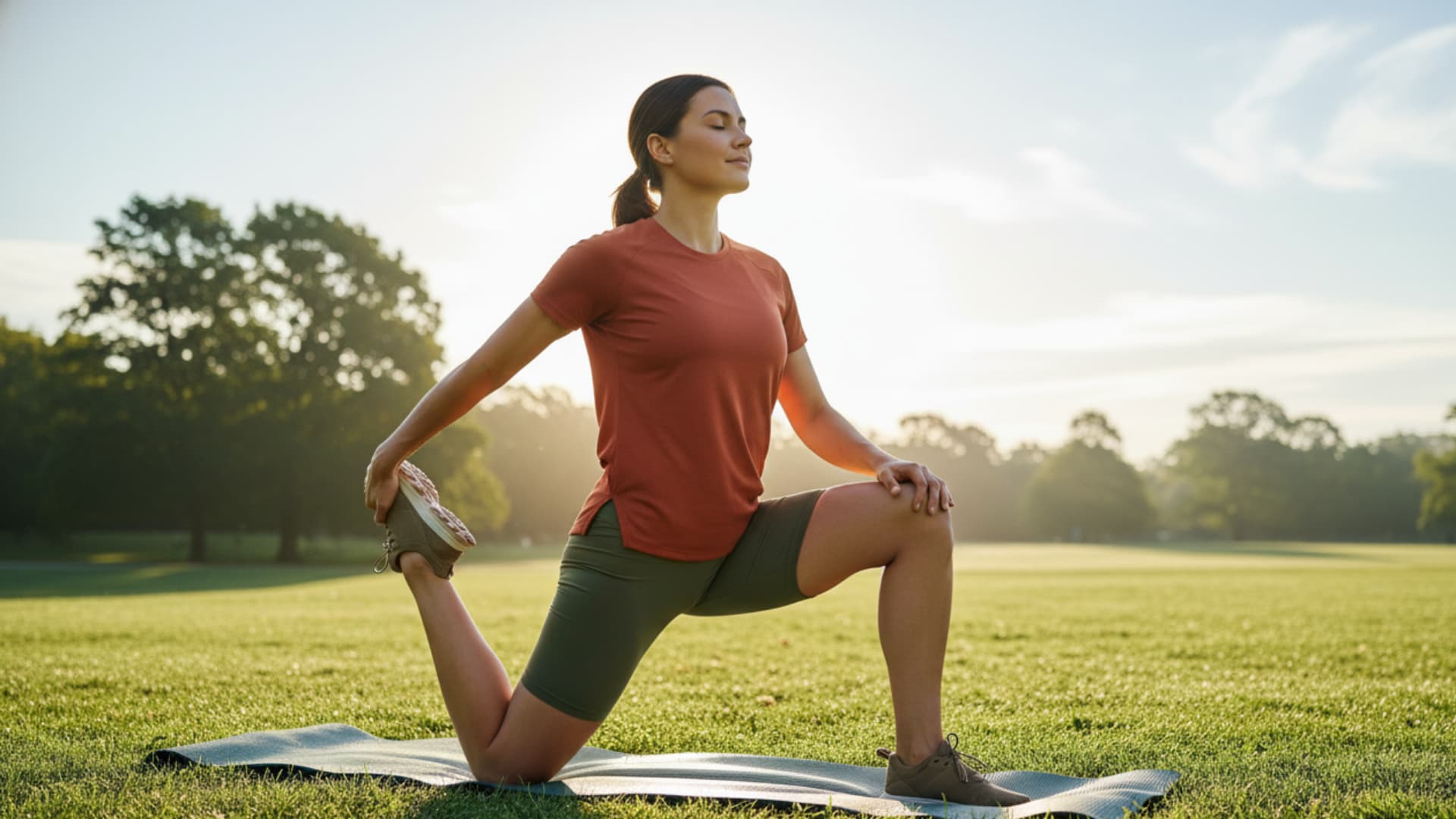
After your workout, a few minutes of stretching releases tension in the glutes, hips, and hamstrings. Consistent cooldown work also improves mobility over time, making future sessions easier and allowing full range of motion.
Useful cooldown stretches:
- Hip flexor stretch: hold 30 seconds each side
- Figure-four stretch: hold 30 to 45 seconds each side
- Hamstring stretch: hold 30 seconds each side
- Seated glute stretch: hold 30 seconds each side
Skipping the cooldown regularly leaves muscles tighter than they need to be. Over time, that limits your range of motion and reduces how well you can perform the exercises themselves.
Foods That Support Glute Growth
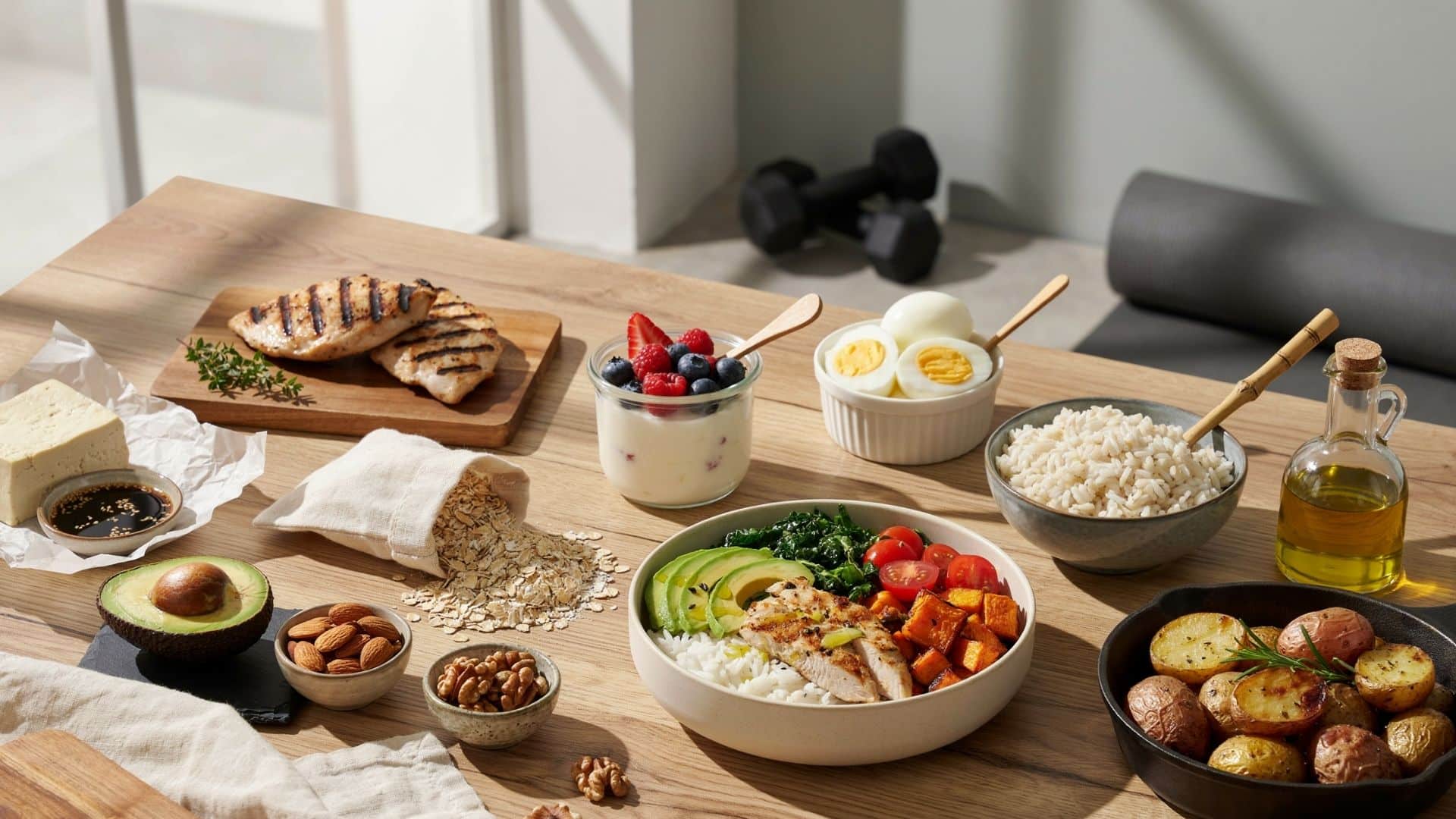
Exercise creates the stimulus for muscle growth. Food supplies the raw material your muscles need to rebuild and get stronger after training. All three macronutrients play a role.
- Protein: Chicken, eggs, Greek yogurt, fish, tofu, and lentils support muscle repair. A general target for active people is roughly 0.7 to 1 gram of protein per pound of body weight per day.
- Carbohydrates: Rice, oats, potatoes, and fruit fuel your training sessions and help replace the energy your muscles use during exercise.
- Healthy fats: Nuts, avocado, and olive oil support hormone production, which plays a role in long-term muscle development.
Note: Individual nutritional needs vary based on age, activity level, and health status. A registered dietitian can give guidance specific to your goals and health history.
How Long Does It Take to See Results From Butt Workouts?
Strength improvements often show up within the first two to four weeks. That happens well before any visible shape changes appear. Noticeable muscle growth typically takes several months of regular effort.
How fast results arrive depends on several factors. These include genetics, starting fitness level, training consistency, nutrition quality, and how well you progress over time. Two people following the same program can see different timelines based on these variables alone.
Tracking strength progress, not just appearance, helps you stay consistent during the months when visible changes are still building.
Frequently Asked Questions
Can I get a bigger bum in 2 weeks?
Visible glute growth takes several months of consistent training. In two weeks, you may notice improved muscle activation and a slightly firmer feel, but not noticeable size changes.
What exercise makes the buttocks bigger?
Hip thrusts, Bulgarian split squats, and weighted glute bridges produce the most growth. Consistent progressive overload across these movements is what drives results over time.
Will doing 20 squats a day build my glutes?
Twenty squats daily can improve endurance but will not produce noticeable muscle growth on their own. Building glutes requires progressive resistance, varied exercises, and adequate recovery.
How can I lift a saggy bum?
Consistent strength training builds the glute muscles underneath, creating a firmer and more lifted appearance. Hip thrusts, step-ups, lunges, and glute bridges are particularly useful for this.
Can I build my glutes naturally at home?
Yes. Targeted exercises, progressive resistance, and a protein-rich diet support natural glute development at home without gym equipment.
How do glute workouts for women differ from standard glute training?
The exercises are the same. Hip thrusts, bridges, and split squats apply to everyone. Rep ranges and load are adjusted based on individual goals, not gender.
Build Stronger Glutes Starting Today
Butt workouts at home build real strength and muscle when you train consistently and keep pushing forward over time. The exercises in this guide target all three glute muscles through hip extension, hip abduction, and single-leg stability work.
Start with bodyweight movements and add bands or dumbbells as you grow stronger. Follow a weekly schedule that gives your glutes time to recover between sessions. Fuel your training with enough protein and adequate rest.
Strength gains show up in weeks, while visible shape takes months of sustained effort. For more workout routines, check the training guides on The Fitness Explorer.