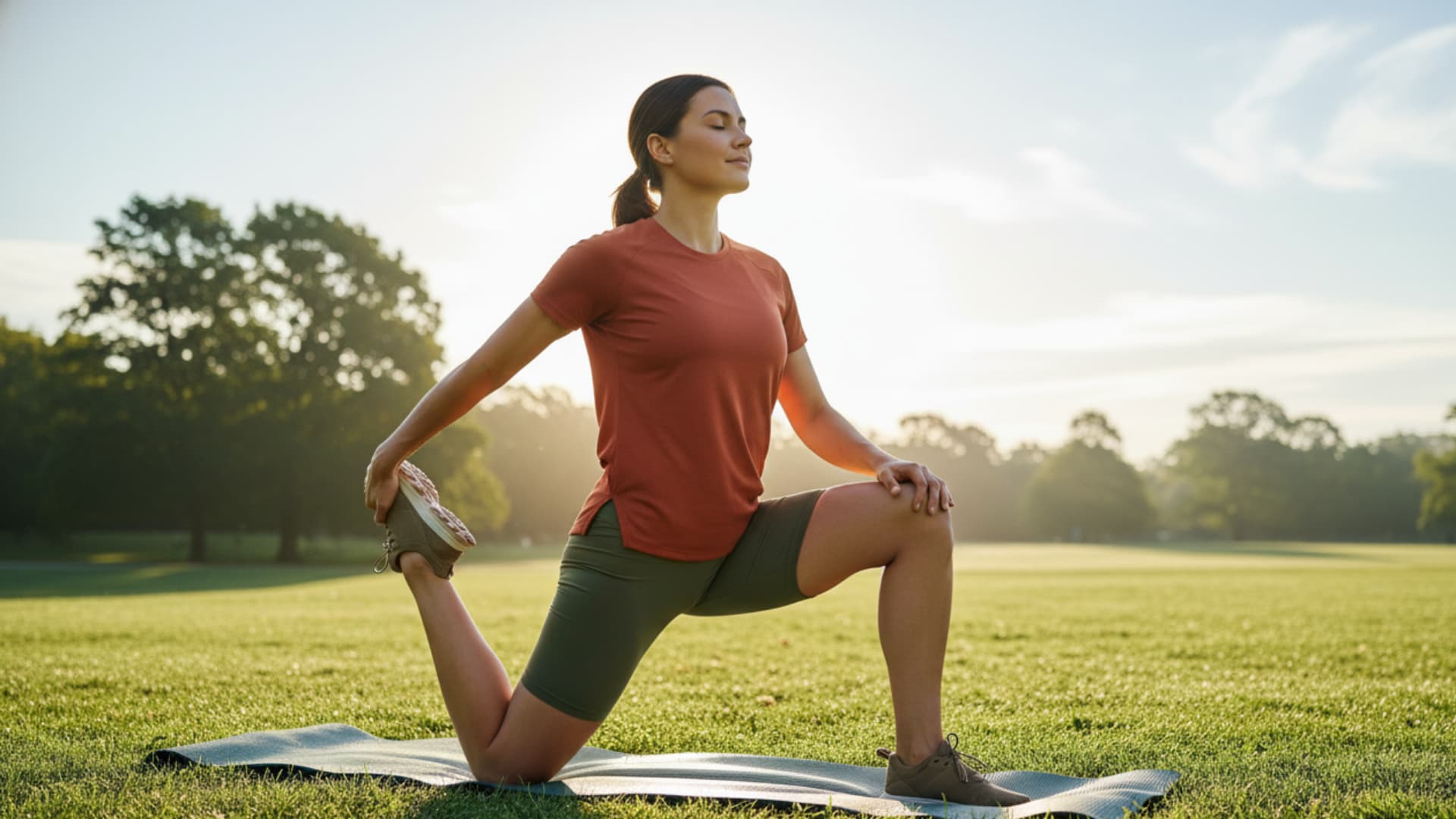
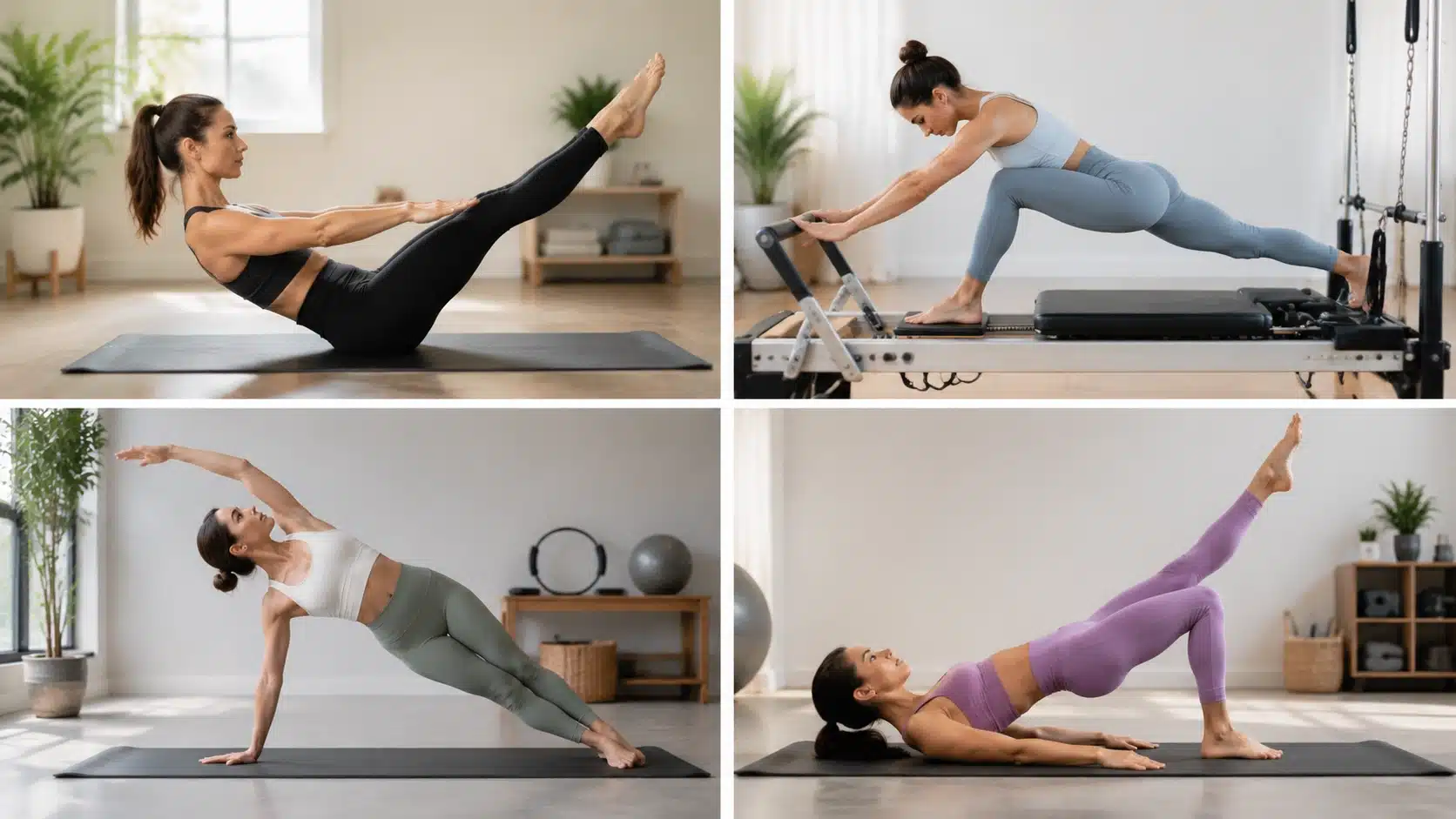
Pilates comes in many styles, including Reformer, Mat, Clinical, and STOTT. Each focuses on goals such as strength, flexibility, posture, or injury recovery.
Joseph Pilates created the original method to improve strength and flexibility with low-impact movement. Over time, instructors adapted it to suit different fitness levels and needs.
This blog explains how each type works, the equipment used, and who it suits best.
Note: Always consult a doctor before starting any new exercise program. This is especially important if you have a back injury, joint condition, or recent surgery.
What Is Pilates?
Pilates is a system of exercise built on control rather than force. It builds strength and flexibility together, with slow, precise movements that stay easy on the joints.
Core Principles Behind Pilates:
Every Pilates style still follows six core principles, no matter the equipment or pace.
- Concentration: Stay focused on each movement instead of rushing through the set.
- Control: Move with intention, so no motion feels careless or wasted.
- Breathing: Coordinate your breath with each movement to support the exercise.
- Precision: Aim for exact form rather than fast, sloppy repetition.
- Centering: Engage your core as the starting point for every movement.
- Flow: Move smoothly from one exercise into the next, without jerky stops.
These six principles appear across every Pilates style, regardless of equipment or intensity level.
How Pilates Differs From Traditional Exercise
Traditional workouts often chase repetition, speed, or a raised heart rate. Pilates instead prioritizes control, alignment, and the quality of each movement.
| Feature | Pilates | Traditional Exercise |
|---|---|---|
| Main focus | Control and alignment | Repetition and intensity |
| Impact on joints | Low impact | Often higher impact |
| Pace | Slow and controlled | Often fast-paced |
| Typical session length | 45 minutes to 1 hour | 30 minutes to 1 hour |
| Muscle engagement | Core-focused throughout | Varies by muscle group |
Types of Pilates
Pilates comes in several forms, each suited to different goals and fitness levels. Some use equipment, while others focus on mat work or faster movement. Knowing the differences helps you choose the right class.
1. Classical Pilates
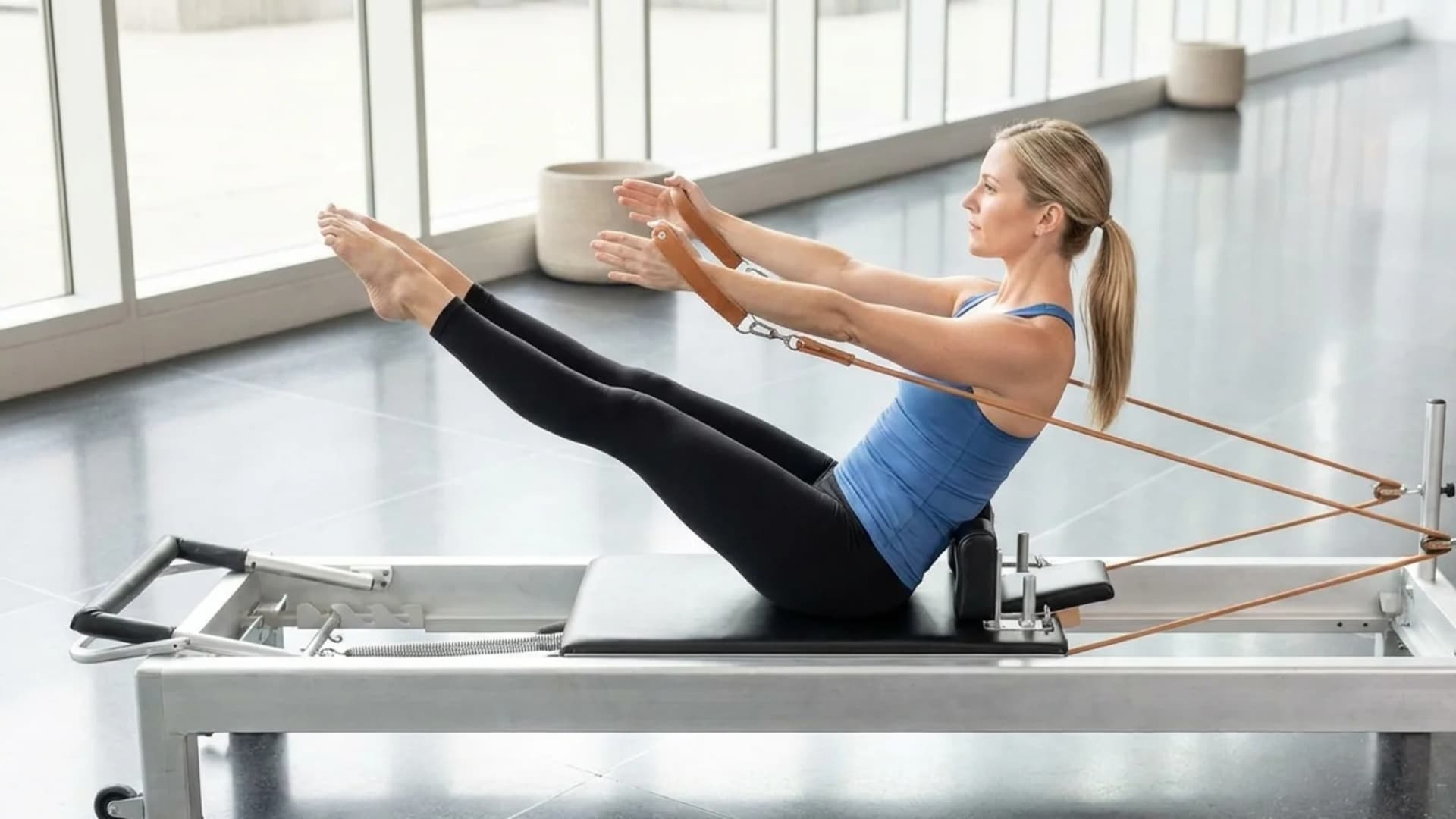
Classical Pilates follows Joseph Pilates’ original exercise sequence in the exact order he designed. It uses traditional equipment like the Reformer, Cadillac, and Wunda Chair.
Common moves include:
- The Hundred
- Roll-Up
- Swan Dive
- Teaser
Main Benefits:
- Builds precise, full-body control
- Improves alignment through disciplined training
- Strengthens core stability over time
2. Contemporary Pilates
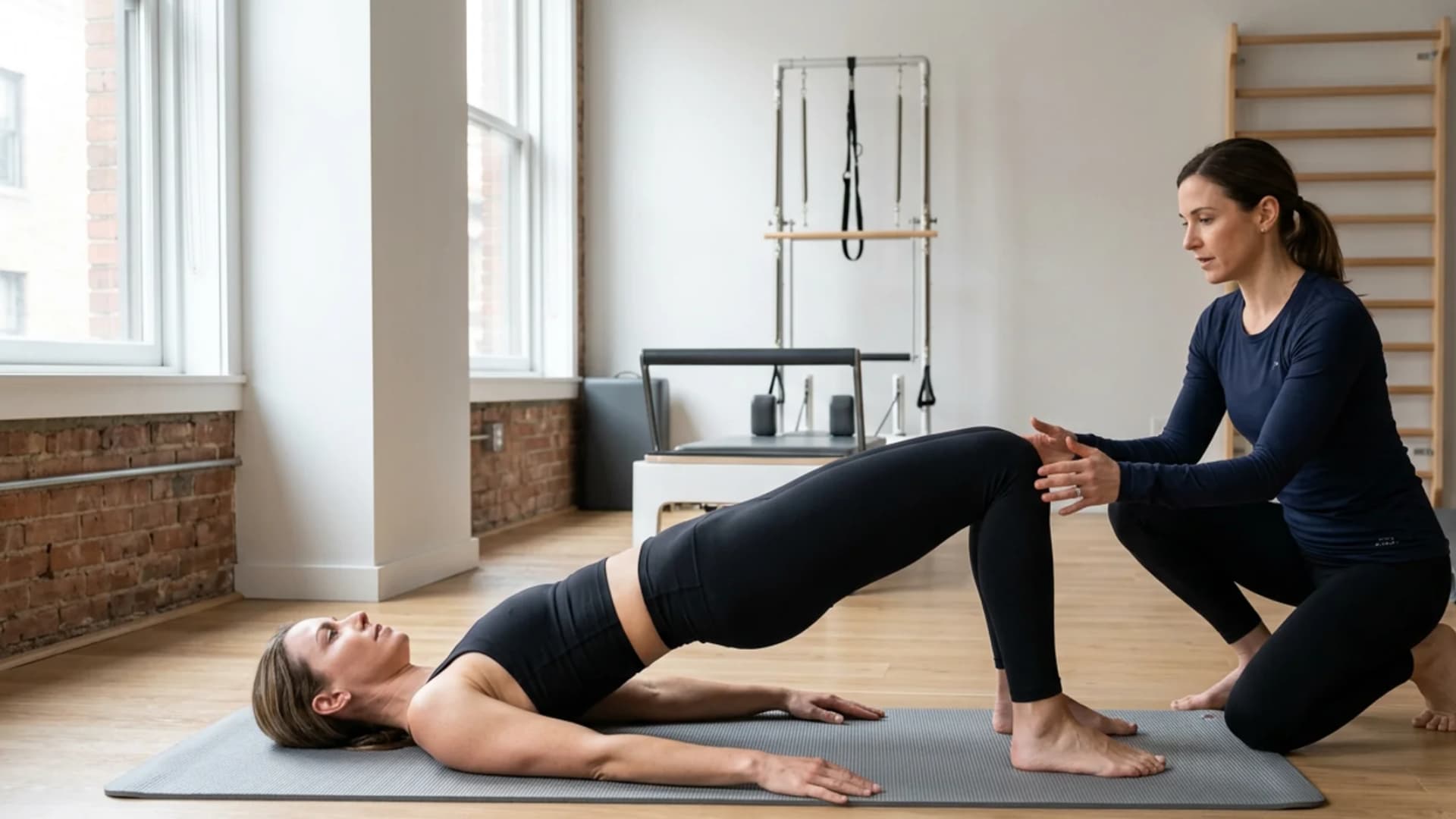
Contemporary Pilates takes the original method and blends it with modern exercise science. Instructors often adjust exercises based on a student’s body or injury history.
Common moves include:
- Modified Roll-Up
- Bridge with variations
- Side-Lying Leg Series
Main Benefits:
- Adapts easily to different bodies
- Offers more exercise variety
- Works well across many fitness levels
3. Mat Pilates
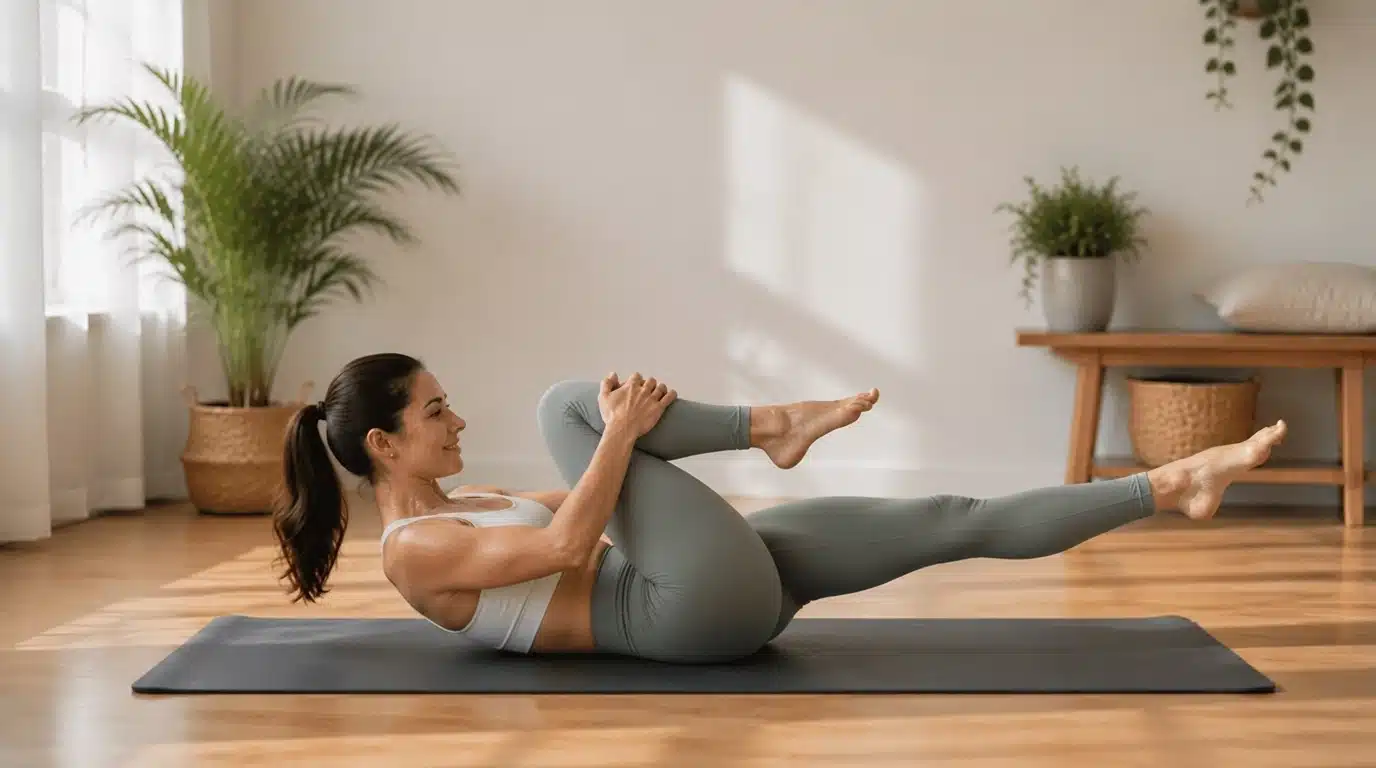
Mat Pilates takes place mostly on the floor, using body weight instead of machines. It needs almost no equipment, so many people practice it at home.
Common moves include:
- The Hundred
- Roll-Up
- Leg circles
- Single-leg stretch
Main Benefits:
- Builds core strength at low cost
- Needs little to no equipment
- Works well as a home routine
4. Reformer Pilates
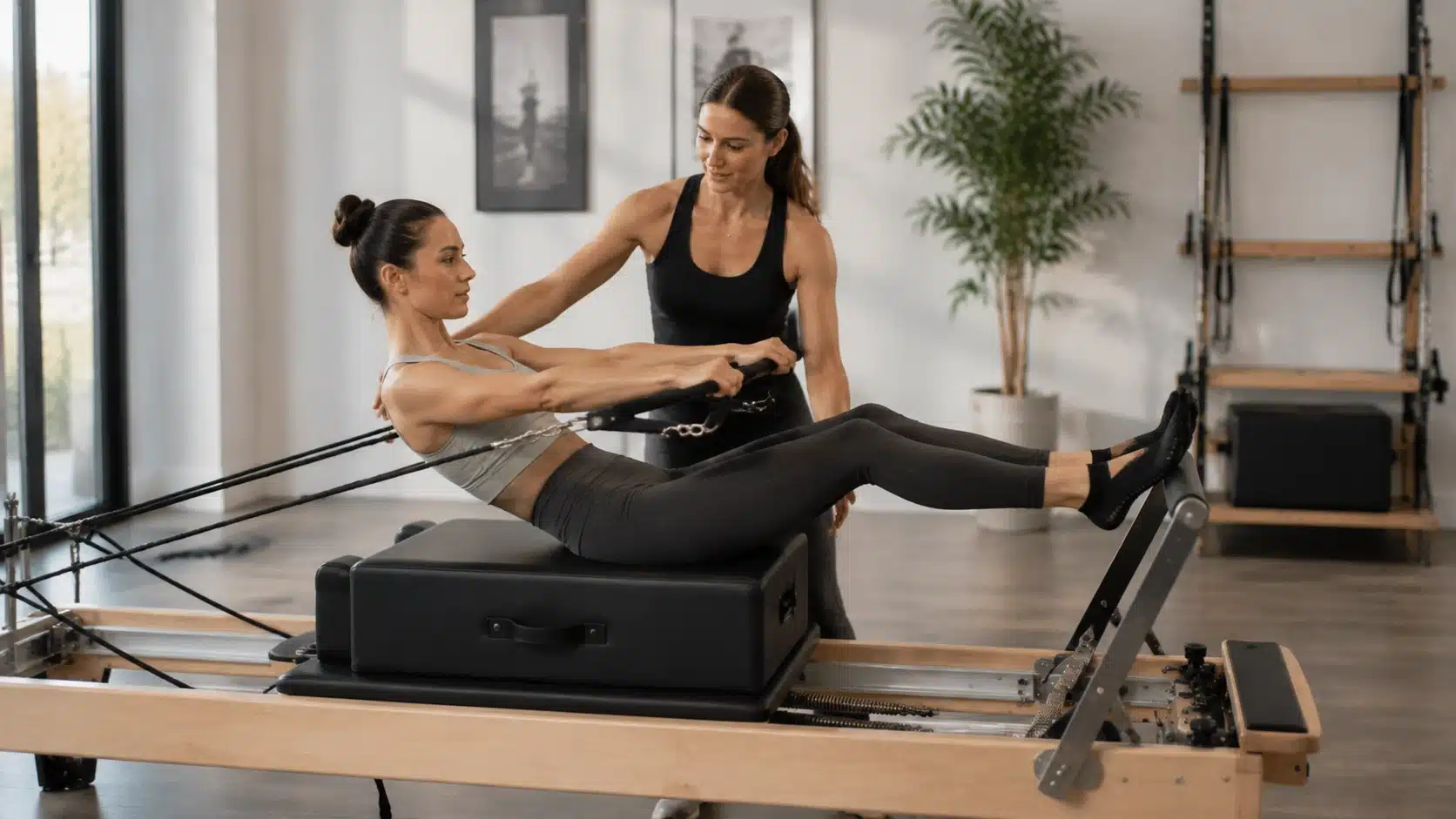
Reformer Pilates uses a machine with springs, a sliding carriage, and adjustable resistance. The springs add support in some moves and extra resistance in others.
Common moves include:
- Footwork series
- Long Stretch
- Elephant
Main Benefits:
- Builds strength through spring resistance
- Improves muscle control
- Improves balance over time
5. Clinical Pilates
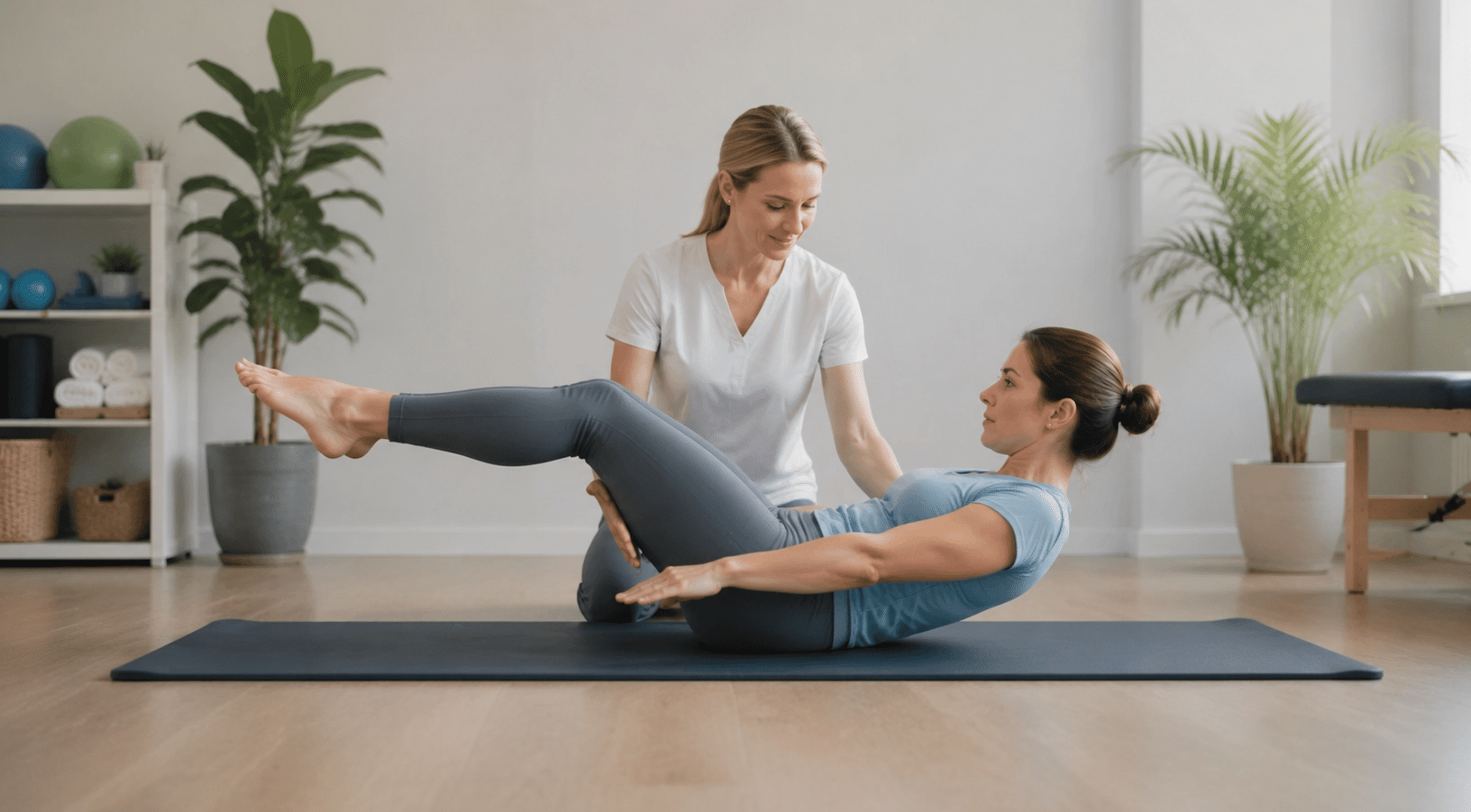
Clinical Pilates adapts standard exercises for rehabilitation, often under the guidance of a physical therapist. Sessions focus on safe movement patterns rather than intensity.
Common moves include:
- Pelvic tilts
- Gentle bridging
- Guided breathing drills
Main Benefits:
- Supports safe injury recovery
- Guided by a trained professional
- Builds a plan around your specific needs
Note: If you have a recent injury, herniated disc, or chronic pain, speak with a doctor or physical therapist before starting Clinical Pilates or any other style.
6. STOTT Pilates
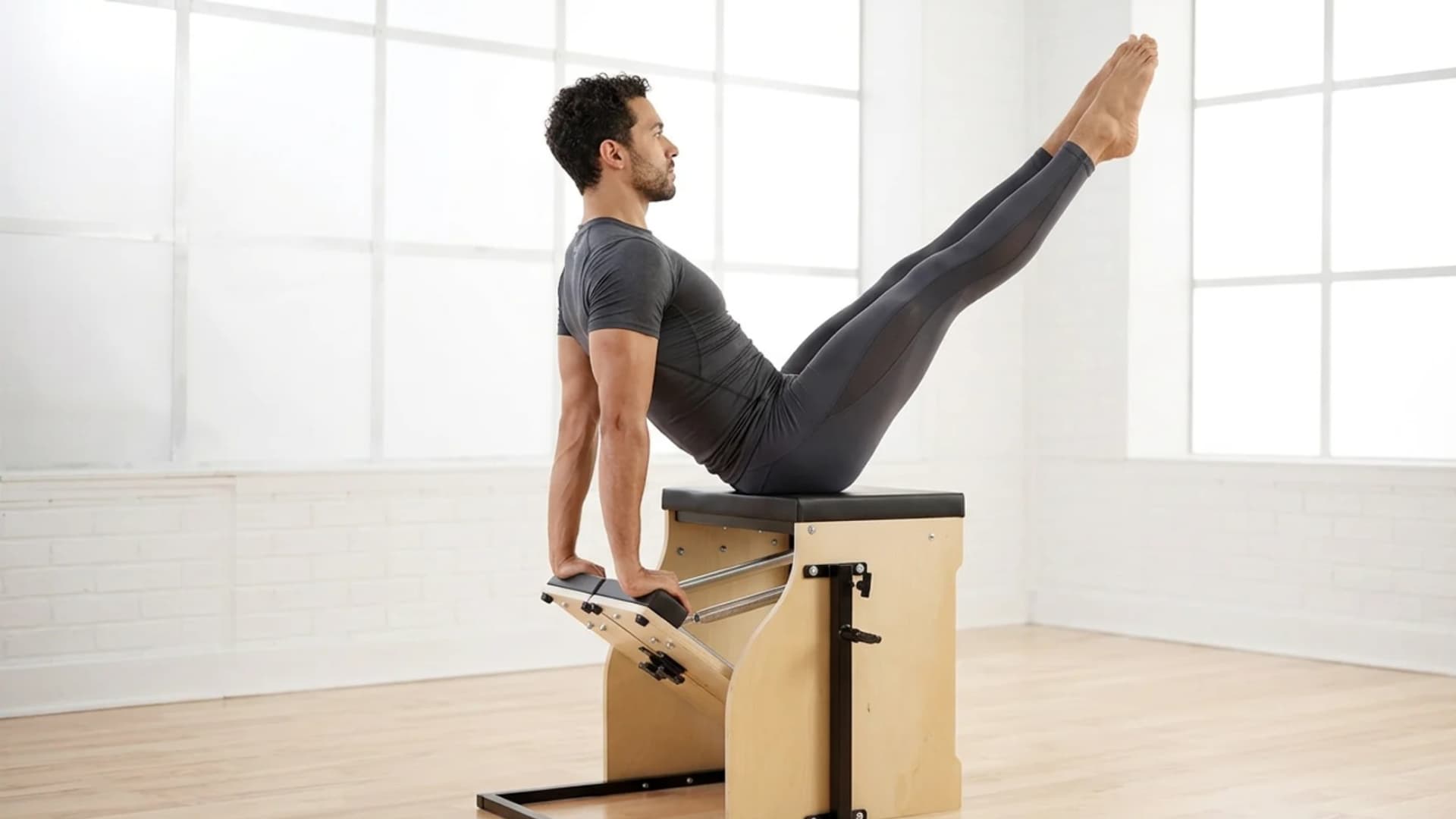
STOTT Pilates was developed by Moira and Lindsay Merrithew. It updates the original method using current biomechanical knowledge. It places extra focus on keeping the spine in a neutral position.
Common moves include:
- Neutral-spine Hundred
- Pelvic Curl
- Chest Lift
Main Benefits:
- Improves spinal alignment
- Uses research-based technique
- Suits people returning to exercise after a break
7. Power Pilates
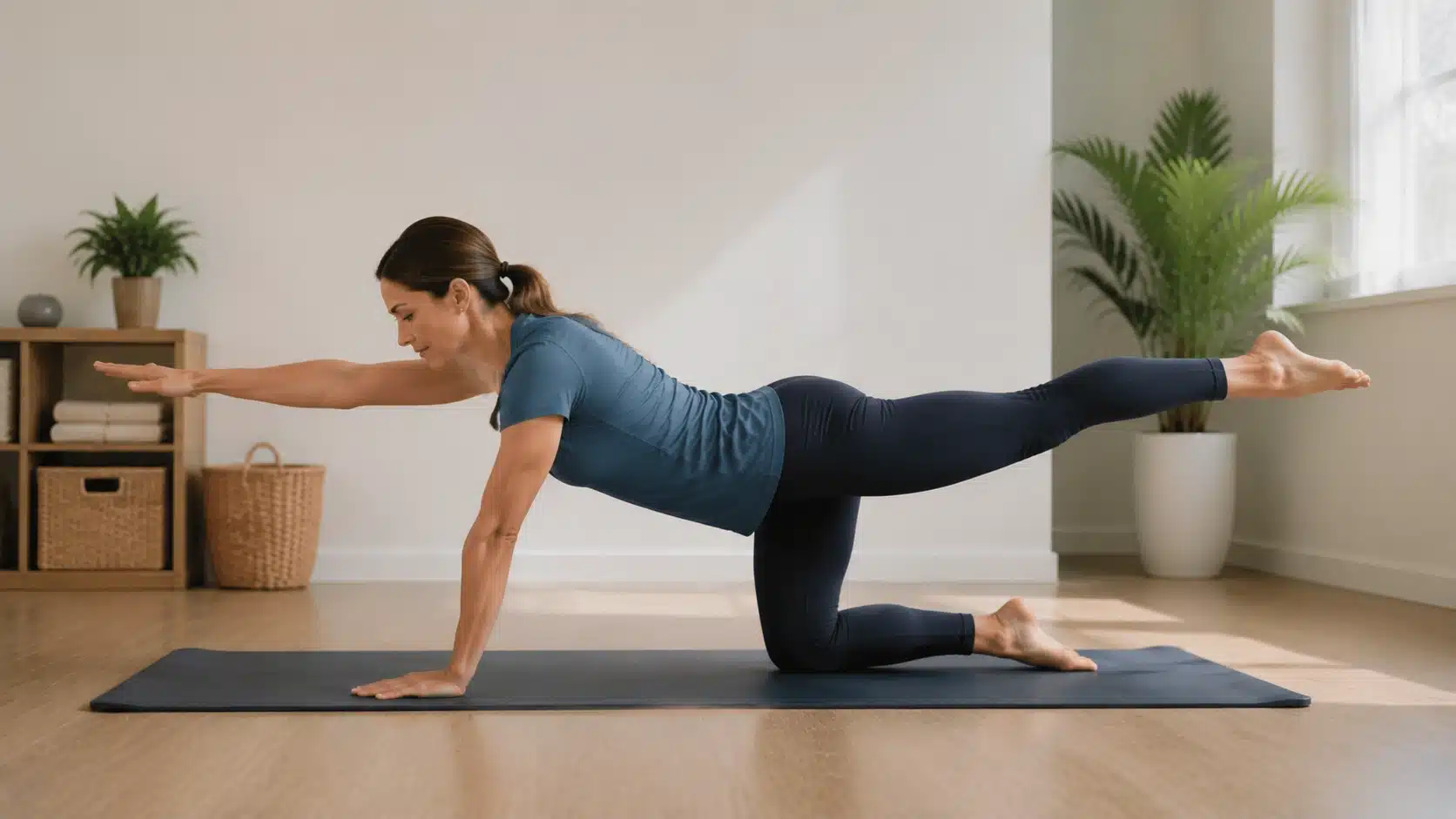
Power Pilates moves at a faster pace than traditional Pilates and raises the overall intensity. Instructors link movements together with little rest between exercises.
Common moves include:
- Roll-Up into Teaser
- Plank series
- Side Kick series
Main Benefits:
- Builds strength and endurance
- Challenges experienced practitioners
- Uses fast-paced, linked sequences
8. Hot Pilates
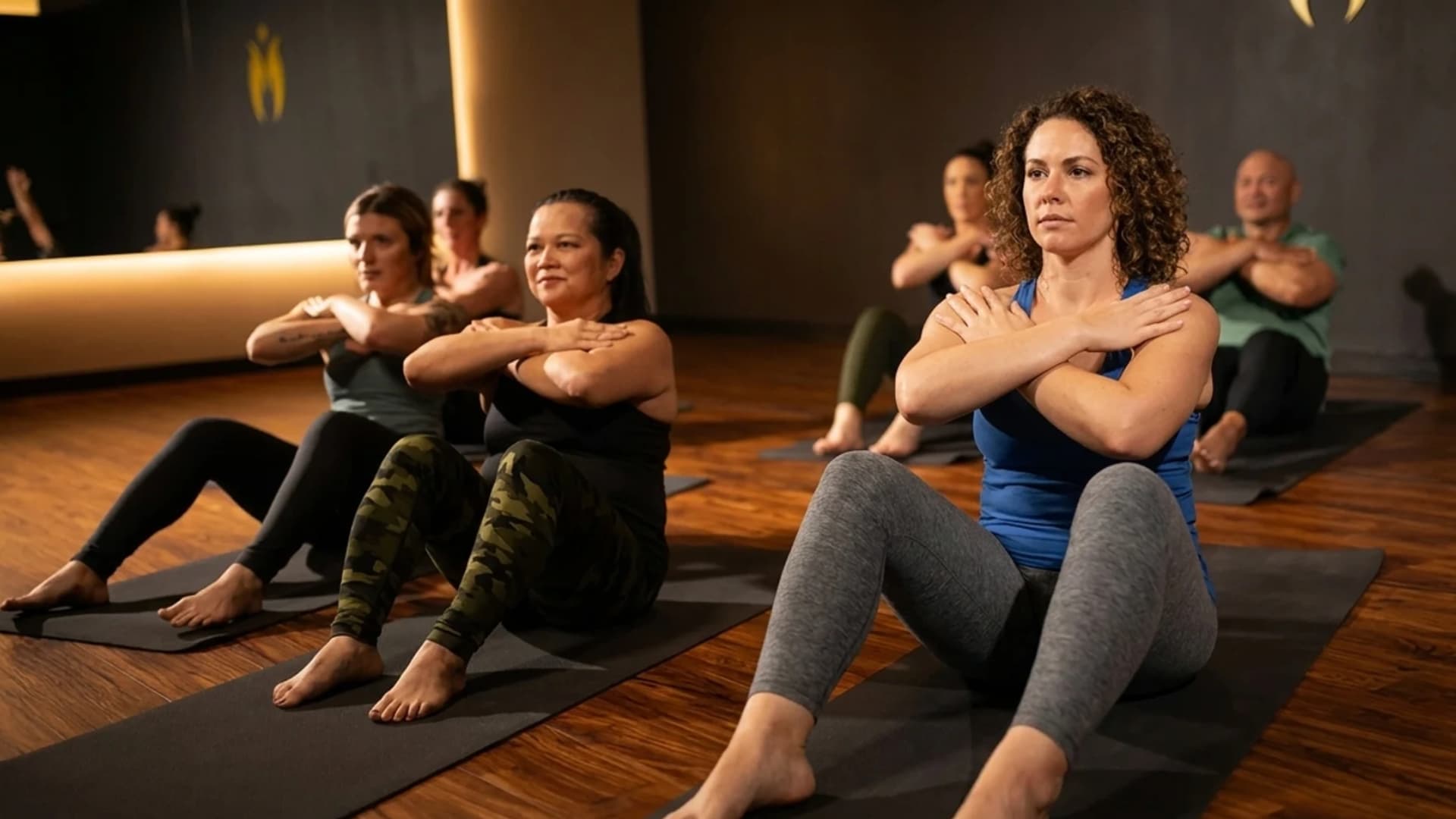
Hot Pilates takes a standard Pilates class and moves it into a heated room, similar to hot yoga. The added heat raises heart rate and increases sweating.
Common moves include:
- Standard Mat Pilates sequences
- Reformer Pilates sequence performed in heat
Main Benefits:
- May support flexibility gains [research ongoing]
- Can increase calorie expenditure during the session [research ongoing]
Important: People with heart conditions, high blood pressure, or heat sensitivity should get medical clearance before attending a hot Pilates class. Stay hydrated throughout the session.
Types of Pilates Based on Equipment
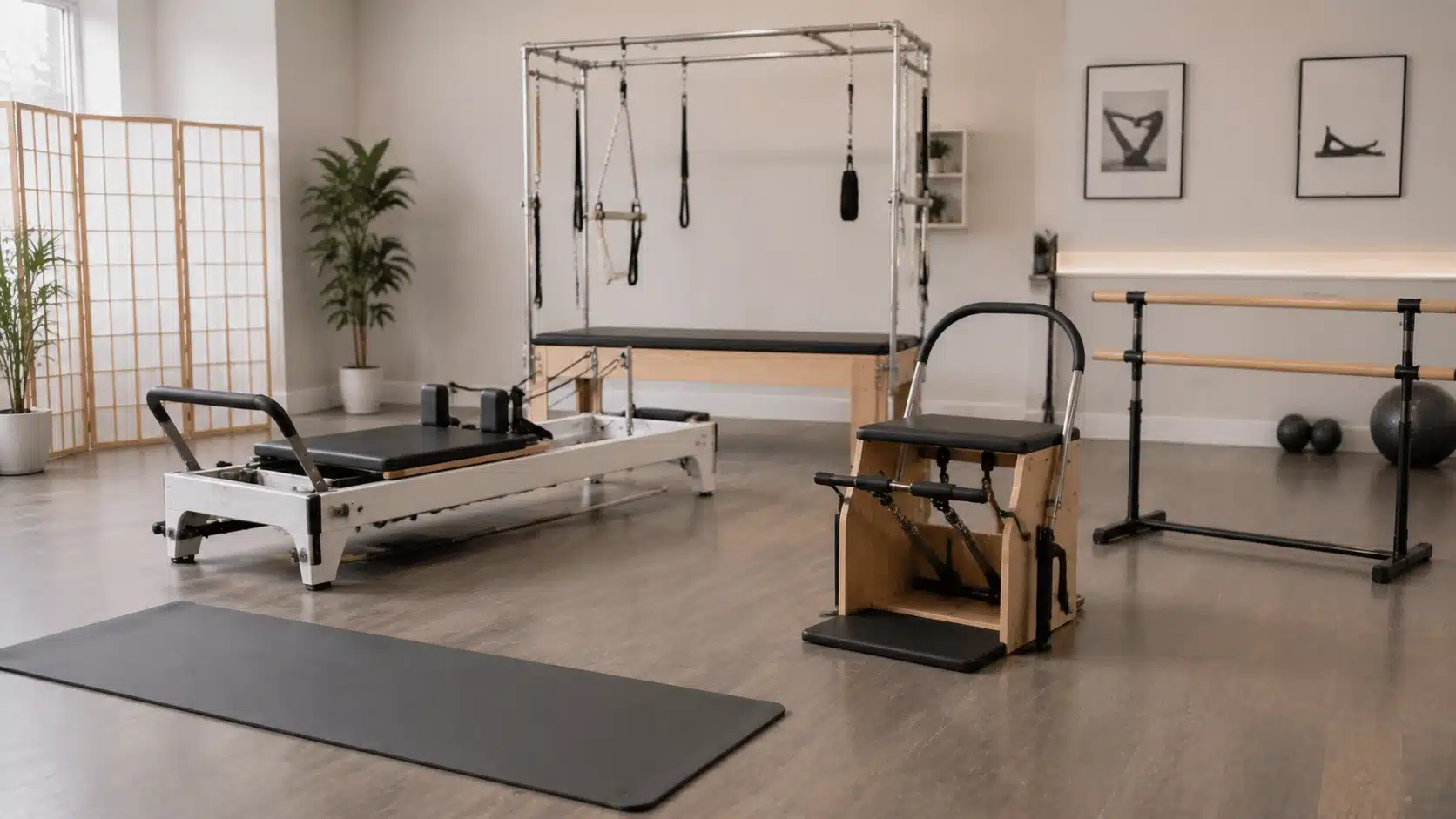
Equipment plays a big role in how a Pilates class feels and what it can achieve. Some styles need nothing but a mat. Others rely on specialized apparatus built for resistance and support.
| Type | Equipment Used | Main Focus | Suitable For |
|---|---|---|---|
| Mat Pilates | Floor mat | Core control and flexibility | Beginners, home practice |
| Wall Pilates | A wall | Alignment and core engagement | Beginners, no-equipment workouts |
| Reformer Pilates | Reformer machine | Strength and resistance | Intermediate users |
| Classical Apparatus | Cadillac, Wunda Chair, Barrel | Full-body classical training | Intermediate to advanced users |
| Clinical Equipment | Physiotherapy-guided apparatus | Rehabilitation and safe movement | Injury recovery, supervised sessions |
Are Pilates and Yoga the Same?
Pilates and yoga are often grouped together, but they have different roots and serve different purposes. Both practices share a few traits while differing in main focus and approach.
Similarities include:
- A strong mind-body connection
- Attention to flexibility
- Controlled, steady breathing
Pilates places greater emphasis on core strength, stability, and controlled resistance in each exercise. Yoga tends to focus more on flexibility, balance, and mindfulness rooted in older traditions.
Pilates and yoga can complement each other well within the same weekly routine. Many instructors recommend combining both for a fuller approach to strength and flexibility.
Mat Pilates vs Reformer Pilates: What Is the Difference?
Mat and Reformer classes both come from the same method, yet they feel very different in practice. The table below breaks down how they compare across cost, equipment, and difficulty.
| Feature | Mat Pilates | Reformer Pilates |
|---|---|---|
| Equipment | Minimal | Uses a reformer machine |
| Resistance | Body weight | Adjustable springs |
| Cost | Lower | Usually higher |
| Location | Home or studio | Mostly studios |
| Difficulty | Beginner-friendly | Adjustable, suits all levels |
Which one burns more calories? Reformer Pilates often burns slightly more calories because the added resistance increases muscle engagement throughout each move.
Can you combine both? Yes. Many people alternate between Mat and Reformer classes each week to build both a base and added strength.
Who Should Check With a Doctor First
Pilates is broadly low-impact and adapts well to different fitness levels. Still, certain situations call for medical advice before you start.
Talk to your doctor before starting Pilates if you:
- Have a herniated or bulging disc that has not been assessed
- Are recovering from a surgical procedure
- Have high blood pressure or a heart condition
- Are pregnant or recently gave birth
- Experience regular dizziness or balance issues
- Have been told you have low bone density
Older adults can often benefit from mat or wall Pilates. A physiotherapist or qualified instructor can adjust movements to suit your needs.
How to Choose the Right Type of Pilates for You
Picking the right Pilates style comes down to a few practical factors. Walking through this checklist before booking a class can save you time and money.
- Your current fitness level
- Any past or current injuries
- Your budget for classes or equipment
- Equipment availability near you
- Your main fitness goal
- The instructor’s training and experience
Pro tip: Beginners should focus on learning proper form before adding intensity or speed. Rushing into advanced styles too early raises the risk of injury and slows real progress. Try at least two or three different types before committing to a membership.
Finding the Right Type of Pilates Starts With One Class
The types of Pilates covered here range from a quiet mat session at home to a spring-loaded Reformer class at a studio. Each one builds on the same six core principles: breathing, control, precision, concentration, centering, and flow, while delivering a different experience in practice.
If you are new to Pilates, start with Mat or Wall Pilates. Both are low-cost, low-risk, and easy to try at home before spending money on studio classes. If you have a specific injury or postural concern, speak with a physiotherapist and ask about Clinical or STOTT Pilates.
Book one class. See how your body responds. Then choose from there. The best type of Pilates is simply the one you will keep showing up for.
Frequently Asked Questions
Which Pilates type is best for beginners?
Mat Pilates and Contemporary Pilates work best for beginners since both build a solid foundation. They teach correct form before adding equipment or extra intensity.
Is reformer Pilates harder than mat Pilates?
Reformer Pilates can feel harder due to the added spring resistance in each movement. That said, difficulty also depends on the instructor and the specific exercises chosen.
Can Pilates help improve posture?
Yes, Pilates strengthens the core and back muscles that support good posture throughout the day. Consistent practice helps correct slouching and improves overall spinal alignment over time.
How often should beginners do Pilates?
Most beginners see good results practicing two to three times per week. This frequency allows enough recovery time while steadily building strength and flexibility.
What type of Pilates is best for back pain?
Clinical Pilates, guided by a physical therapist, is the most appropriate starting point. Mat and STOTT Pilates also focus on spinal alignment and core strength. Always consult a doctor first.
What are the disadvantages of Pilates?
Pilates may be less effective for cardiovascular fitness or rapid weight loss. Classes can also be costly, and poor technique may cause strain, especially without qualified instruction or proper modifications.