I'm Darryl Edwards, a natural movement therapist, paleo clinical nutritionist, blogger and published author based in London, England.  This blog documents my experiences with a primal lifestyle that has made me fitter and healthier in my forties than ever before.  I am a contributor to Paleo Magazine and presenter at various symposiums such as Paleo:f(x), PrimalCon and other events globally.

Let's Explore Fitness!

More about me...

More about my services... 

Recent Updates
Recent Comments

Latest Tweets
Facebook

Images
at Gym Jones...


Search

Subscribe to The Fitness Explorer Newsletter


Categories
Reading List
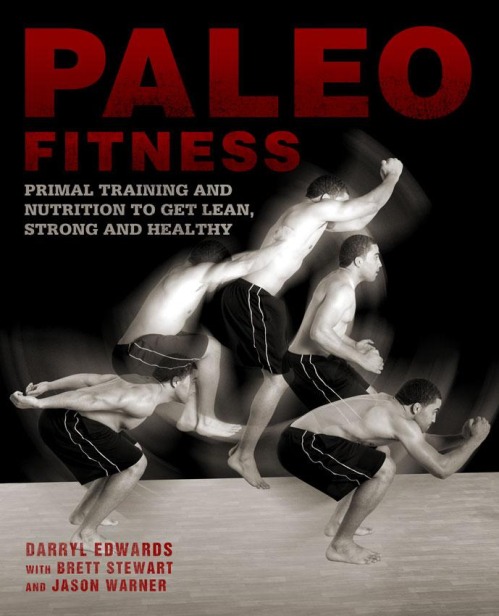
  • Paleo Fitness - A Primal Training and Nutrition Program to Get Lean, Strong and Healthy
    Paleo Fitness - A Primal Training and Nutrition Program to Get Lean, Strong and Healthy
    by Darryl Edwards, Brett Stewart, Jason Warner
  • The Paleo Solution
    The Paleo Solution
    by Robb Wolf

    Paleo for weight loss, performance and disease prevention. Read my full review here.

  • Why Zebras Don't Get Ulcers
    Why Zebras Don't Get Ulcers
    by Robert M. Sapolsky

    The impact of too much stress in our lives - impotence, obesity, heart disease and much more...

  • The Primal Blueprint: Reprogram Your Genes for Effortless Weight Loss, Vibrant Health, and Boundless Energy
    The Primal Blueprint: Reprogram Your Genes for Effortless Weight Loss, Vibrant Health, and Boundless Energy
    by Mark Sisson

    Usually we have to go back to basics to progress, this is a great place to start!

  • Slow Death by Rubber Duck: The Secret Danger of Everyday Things
    Slow Death by Rubber Duck: The Secret Danger of Everyday Things
    by Rick Smith, Bruce Lourie, Sarah Dopp

    "Think about the toxic chemicals you put onto your body, and are exposed to on a daily basis.  Frankly, quite worrying..."

  • Protein Power
    Protein Power
    by Michael R. Eades, Mary Dan Eades, Mary Deans

    First published in the mid 1990s.  Amongst other things, disputes the 'fat intake causes obesity' argument and reasons why the high carb/low-fat diet doesn't work.

  • Born to Run: The Hidden Tribe, the Ultra-Runners, and the Greatest Race the World Has Never Seen
    Born to Run: The Hidden Tribe, the Ultra-Runners, and the Greatest Race the World Has Never Seen
    by Christopher McDougall

    An inspirational read, whether you are a 'runner' or not.  This book also investigates why expensive 'cushioned' running shoes increases the likelihood of injury.

  • In Defence of Food: The Myth of Nutrition and the Pleasures of Eating: An Eater's Manifesto
    In Defence of Food: The Myth of Nutrition and the Pleasures of Eating: An Eater's Manifesto
    by Michael Pollan

    An insight into real, simple and nutritious food.  Insightful.

  • Food Rules: An Eater's Manual
    Food Rules: An Eater's Manual
    by Michael Pollan

    An excellent, non-scientific common sense quick reference to the often confusing question : "What should I eat?"

  • The Paleo Diet for Athletes
    The Paleo Diet for Athletes
    by L. Cordain

    An alternative to Cordain's first book "The Paleo Diet" if who want to consider the impact of Paleo on athletic performance.  It is geared towards endurance athletes but an interesting read nonetheless.

  • Vegetarian Myth, The
    Vegetarian Myth, The
    by Lierre Keith

    I'm an omnivore.  I believe it is healthy to eat naturally-reared meat, non-farmed fish as well as a wide variety of fresh vegetables.  This book is an interesting read and has a lot to say about why becoming a vegetarian isn't necessarily the best option for humans.  However read this, do your own research and make up your own mind.

  • The Second Brain
    The Second Brain
    by Michael D. Gershon

    A discussion about the complex nervous system working in the gut, which produces neurotransmitters such as serotonin.  In fact much more serotonin is produced in the gut than the brain!

  • The Rise and Fall of Modern Medicine
    The Rise and Fall of Modern Medicine
    by James Le Fanu
  • Swindled: From Poison Sweets to Counterfeit Coffee - The Dark History of the Food Cheats
    Swindled: From Poison Sweets to Counterfeit Coffee - The Dark History of the Food Cheats
    by Bee Wilson
  • Cancer: The Evolutionary Legacy
    Cancer: The Evolutionary Legacy
    by M.F. Greaves
  • The Paleo Diet: Lose Weight and Get Healthy by Eating the Foods You Were Designed to Eat
    The Paleo Diet: Lose Weight and Get Healthy by Eating the Foods You Were Designed to Eat
    by Loren Cordain

    This provides extraordinary insight into the reasons behind adopting a paleolithic diet.  Some aspects are controversial and many may feel it is too dogmatic.  I have often gone back to this book and re-read it for clarification as Dr Loren Cordain is often mis-quoted.  There is now a revised edition (2010 edition) to counter some of its earlier criticisms, this is an excellent resource and a must-read for any one serious about paleo nutrition.

  • Lore of Running
    Lore of Running
    by Tim Noakes

    This book offers a comprehensive insight into the science, coaching and discipline of running.  Energy systems, coaching and training.  Often quoted as the bible of running.

Entries in omega-3 (5)

Tuesday
Oct302012

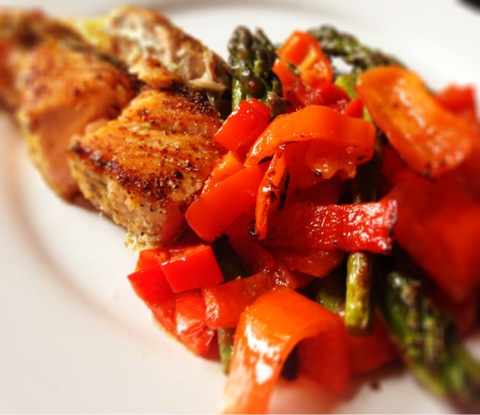
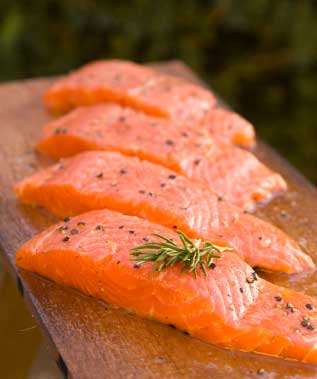
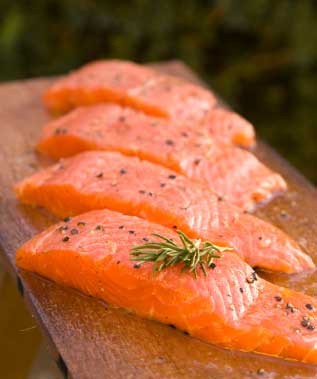
Paleo: Wild Alaskan Salmon

My Paleo lunch today.  Consisted of: 

Some people have commented on the costs of a paleo meal, however this has cost me less than a Big Mac Meal would from McDonald's - it is also without comparison in terms of nutrition.


Wednesday
Aug172011

Health: Looking After Your Heart

Health: Looking After Your Heart

Underlying Causes of Heart Disease

The root cause of coronary heart disease (CHD) is inflammation on the inside lining of the coronary arteries (blood vessels that supply blood to the heart).  

Atheroma (Atherosclerosis)

Atheroma also known as atherosclerosis (or hardening of the arteries) are fatty deposits.  Over time these fatty deposits become thicker and larger to the point where this formation hardens to become plaque thus restricting and reducing blood flow through the artery.  

Another possible consequence are that blood vessels crack and rupture due to this plaque build up.  When this occurs blood clots (thrombosis) form over the atheroma to the point where blood flow is completely blocked.

Cardiovascular Diseases

Atheroma is the underlying cause of various cardiovascular diseases such as angina and myocardial infarction (heart attack), angina, peripheral vascular disease (usually lungs, legs) and strokes.

Reducing Inflammation

Reducing inflammation is one area to address when trying to prevent heart disease.  The essential fatty-acid (EFA) Omega-3 is a natural anti-infammatory which has been shown to be one key factor in reducing the likelihood of heart disease by reducing inflammation in the arteries.

A study published in the New England Journal of Medicine with American doctors over a 17 year period found those who had the highest level of Omega-3 at the beginning of the study had a 90% reduced risk of sudden cardiac death.[1]  Another interesting fact whilst reviewing that study is that the Omega-3 oils found in fish had a greater positive impact on reduced risk than Omega-3 oils from plant sources.

An Italian study of over 11,000 patients who had previously had a heart attack were given an Omega-3 supplement or an olive oil placebo.  Those taking the Omega-3 supplement were 45% less likely to have a sudden cardiac death.[2]

More Information: Why obtaining a healthy Omega-3:Omega-6 balance is beneficial?

[1] Blood Levels of long-chain n-3 fatty acids and the risk of sudden death, N Engl J Med 2002;346:1113-8.

[2] Dietary supplementation with n-3 polyunsaturated fatty acids and vitamin E after myocardial infarction: results of the GISSI-Prevenzione trial, The Lancet, Volume 354, Issue 9177, Pages 447 - 455, 7 August 1999

 

Friday
Jul082011

Paleo: Omega-3 and Omega-6 Balance

Paleo: Omega-3 and Omega-6 Balance

In yesterday's post we discussed what essential fatty acids were in relation to omega-3 and omega-6 and why they were benefical to the human body.

However it is not just the amount of the omega oils consumed but also the balance between omega-3 and omega-6 fatty acids that is significant.  Maintaining the correct balance of omega-3 and omega-6 fatty acids is vital to human health.  

The basis of nutritional medicine is that dietary factors are imperative for good health.  Omega-3 directly influences inflammatory hormone production and gene expression in the cell.  Because cells are the basic building blocks of the body.  If these are not healthy then our tissues and organs can not be healthy.

Paleo Diet

Our ancestral diet provided a ratio of 1:1 whilst the modern Western diet is between 1:16 omega-3 to omega-6.  Studies have shown that excessive amounts of omega-6, or a very high ratio to omega-3 promotes inflammation and can contribute to the development of lifestyle diseases such as cardiovascular disease, cancer and autoimmune diseases.[1]

Blood Test

I recently had blood test results looking at my omega-6 to omega-3 balance.  This is currently 51% to 49% which is almost 1:1.  This is due to me following a Paleolithic diet which promotes a better balance between these fatty acids by reducing the intake of omega-6 and increasing the sources of omega-3 with more wild (non-farmed) oily fish, grass-fed meat, free-range eggs and green vegetables.  

Studies have also suggested the ideal ratio of omega-6 to omega-3 to be between 2:1-1:1 [2], similar to the profile above.

In terms of dietary choices omega-3 fatty acids found in oily fish have been shown to reduce the tendency of blood to clot, lower triglyceride levels and raise HDL (good) cholesterol which mitigate against the risk factors associated with heart disease.[3]

Here's an example of a Paleo Breakfast which provides a significant omega-3 intake.

References:

[1] Simopoulos et al (2002).  The importance of the ratio fo omega-3 to omega-6 essential fatty acids. Biomed Pharmacother

[2] Okuyama et al (1997). Dietary fatty acids: the omega-6 and omega-3 balance and chronic elderly diseases. Lipid Research

[3] Harris (1989). Fish Oil and plasma lipid and lipoprotein metabolism in humans.  Journal of Lipid Research.

Wednesday
Jul062011

Paleo: What are Essential Fatty Acids?

Paleo: What are Essential Fatty Acids?


Essential fatty acids are polyunsaturated fats that are essential to the diet since the body is unable to produce these by itself.  These act as precursors to local hormone-like substances called prostaglandins which regulate metabolism and inflammation activity within the cells.

Because this occurs at the cellular level the effects of prostaglandin and deficiencies in these essential fatty acids can lead to ill-health.

The two main categories we will discuss are Omega-3 and Omega-6 fatty acids.  To promote good health these fatty acids must be eaten in the required amounts and ratio.

Examples of Omega-3 food sources: 

  • Oily fish (such as salmon, mackeral, sardines, herring)
  • Walnuts
  • Naturally reared eggs
  • Grass-fed meat

Examples of Omega-6 food sources:

  • Sunflower oil
  • Pumpkin seeds
  • Sesame seeds

Both types of fatty acid are essential - however the key differences are omega-6 fatty acids are pro-inflammatory and omega-3 fatty acids are anti-inflammatory.  

In tomorrow's post I will discuss the reasons for maintaining a healthy omega-3/omega-6 balance and why this is beneficial to human health.