I'm Darryl Edwards, a personal trainer and clinical nutritionist based in London, England.  This blog documents my experiences with a primal lifestyle that has made me fitter and healthier in my forties than ever before.  

Let's Explore Fitness!

More about me...

More about my services... 

Recent Updates
Recent Comments

Latest Tweets
Facebook

Images
at Gym Jones...


Friends


Search

Subscribe to The Fitness Explorer Newsletter


Categories
Reading List
  • The Paleo Solution
    The Paleo Solution
    by Robb Wolf

    Paleo for weight loss, performance and disease prevention. Read my full review here.

  • Why Zebras Don't Get Ulcers
    Why Zebras Don't Get Ulcers
    by Robert M. Sapolsky

    The impact of too much stress in our lives - impotence, obesity, heart disease and much more...

  • The Primal Blueprint: Reprogram Your Genes for Effortless Weight Loss, Vibrant Health, and Boundless Energy
    The Primal Blueprint: Reprogram Your Genes for Effortless Weight Loss, Vibrant Health, and Boundless Energy
    by Mark Sisson

    Usually we have to go back to basics to progress, this is a great place to start!

  • Slow Death by Rubber Duck: The Secret Danger of Everyday Things
    Slow Death by Rubber Duck: The Secret Danger of Everyday Things
    by Rick Smith, Bruce Lourie, Sarah Dopp

    "Think about the toxic chemicals you put onto your body, and are exposed to on a daily basis.  Frankly, quite worrying..."

  • Protein Power
    Protein Power
    by Michael R. Eades, Mary Dan Eades, Mary Deans

    First published in the mid 1990s.  Amongst other things, disputes the 'fat intake causes obesity' argument and reasons why the high carb/low-fat diet doesn't work.

  • Born to Run: The Hidden Tribe, the Ultra-Runners, and the Greatest Race the World Has Never Seen
    Born to Run: The Hidden Tribe, the Ultra-Runners, and the Greatest Race the World Has Never Seen
    by Christopher McDougall

    An inspirational read, whether you are a 'runner' or not.  This book also investigates why expensive 'cushioned' running shoes increases the likelihood of injury.

  • In Defence of Food: The Myth of Nutrition and the Pleasures of Eating: An Eater's Manifesto
    In Defence of Food: The Myth of Nutrition and the Pleasures of Eating: An Eater's Manifesto
    by Michael Pollan

    An insight into real, simple and nutritious food.  Insightful.

  • Food Rules: An Eater's Manual
    Food Rules: An Eater's Manual
    by Michael Pollan

    An excellent, non-scientific common sense quick reference to the often confusing question : "What should I eat?"

  • The Paleo Diet for Athletes
    The Paleo Diet for Athletes
    by L. Cordain

    An alternative to Cordain's first book "The Paleo Diet" if who want to consider the impact of Paleo on athletic performance.  It is geared towards endurance athletes but an interesting read nonetheless.

  • Vegetarian Myth, The
    Vegetarian Myth, The
    by Lierre Keith

    I'm an omnivore.  I believe it is healthy to eat naturally-reared meat, non-farmed fish as well as a wide variety of fresh vegetables.  This book is an interesting read and has a lot to say about why becoming a vegetarian isn't necessarily the best option for humans.  However read this, do your own research and make up your own mind.

  • The Second Brain
    The Second Brain
    by Michael D. Gershon

    A discussion about the complex nervous system working in the gut, which produces neurotransmitters such as serotonin.  In fact much more serotonin is produced in the gut than the brain!

  • The Rise and Fall of Modern Medicine
    The Rise and Fall of Modern Medicine
    by James Le Fanu
  • Swindled: From Poison Sweets to Counterfeit Coffee - The Dark History of the Food Cheats
    Swindled: From Poison Sweets to Counterfeit Coffee - The Dark History of the Food Cheats
    by Bee Wilson
  • Cancer: The Evolutionary Legacy
    Cancer: The Evolutionary Legacy
    by M.F. Greaves
  • The Paleo Diet: Lose Weight and Get Healthy by Eating the Foods You Were Designed to Eat
    The Paleo Diet: Lose Weight and Get Healthy by Eating the Foods You Were Designed to Eat
    by Loren Cordain

    This provides extraordinary insight into the reasons behind adopting a paleolithic diet.  Some aspects are controversial and many may feel it is too dogmatic.  I have often gone back to this book and re-read it for clarification as Dr Loren Cordain is often mis-quoted.  There is now a revised edition (2010 edition) to counter some of its earlier criticisms, this is an excellent resource and a must-read for any one serious about paleo nutrition.

  • Lore of Running
    Lore of Running
    by Tim Noakes

    This book offers a comprehensive insight into the science, coaching and discipline of running.  Energy systems, coaching and training.  Often quoted as the bible of running.

Entries in Primal (10)

Wednesday
Jul062011

Paleo: What are Essential Fatty Acids?

Paleo: What are Essential Fatty Acids?


Essential fatty acids are polyunsaturated fats that are essential to the diet since the body is unable to produce these by itself.  These act as precursors to local hormone-like substances called prostaglandins which regulate metabolism and inflammation activity within the cells.

Because this occurs at the cellular level the effects of prostaglandin and deficiencies in these essential fatty acids can lead to ill-health.

The two main categories we will discuss are Omega-3 and Omega-6 fatty acids.  To promote good health these fatty acids must be eaten in the required amounts and ratio.

Examples of Omega-3 food sources: 

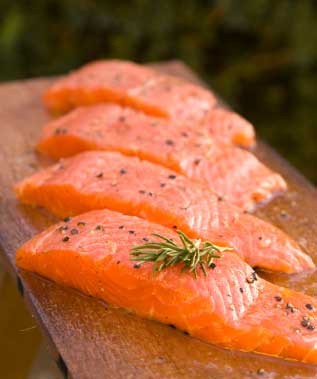
  • Oily fish (such as salmon, mackeral, sardines, herring)
  • Walnuts
  • Naturally reared eggs
  • Grass-fed meat

Examples of Omega-6 food sources:

  • Sunflower oil
  • Pumpkin seeds
  • Sesame seeds

Both types of fatty acid are essential - however the key differences are omega-6 fatty acids are pro-inflammatory and omega-3 fatty acids are anti-inflammatory.  

In tomorrow's post I will discuss the reasons for maintaining a healthy omega-3/omega-6 balance and why this is beneficial to human health.


Monday
May162011

Health: Will a Paleolithic Lifestyle Help to Lower Hypertension?

This is the final post looking at blood pressure.  Can leading a paleolithic lifestyle contribute to maintaining a healthy blood presure?

You can view the previous articles here:

1. What is blood pressure?

2. Why is high blood pressure (hypertension) important?

3. What causes hypertension?

4. What can we do to maintain a healthy blood pressure?

What about medication?

There are a series of options available to counter high blood pressure, the five most common are:

  1. Angiotension Converting Enzyme (ACE) inhibitors 
  2. Angiotensin Receptor Blockers
  3. Calcium Channel Blockers 
  4. Diuretics 
  5. Beta-blockers

The first three category of drugs relax the blood vessels - this relaxation reduces blood pressure, the fourth (diuretics) reduce the volume of liquid in circulation which reduces blood pressure, finally beta-blockers slow the heart rate and reduce the force of the heart.

Of course like with any medication there are side-effects and usually a combination of these meds are required to reduce blood pressure.  There are healthier alternatives available and one option is adopting paleo lifestyle changes: 

How can a paleo lifestyle help with hypertension? 

Research has shown that simple lifestyle changes can help to reduce blood pressure.  In terms of nutrition and exercise.  

A Paleolithic diet will assist this by: 

  • reducing salt by avoiding processed, convenience and artificial foods (over 75% of the salt we eat is already in the food we buy);
  • avoiding breakfast cereals - which usually contain high levels of salt
  • increasing the intake of seasonal fresh vegetables and fruits;
  • more exposure to so-called functional foods that contain properties that help to reduce blood pressure:
    • foods such as watermelon, garlic, blueberries, walnuts, have been studied with regard to lowering blood pressure.
  • maintaining a paleo diet will reduce the likelihood of being overweight or having higher than healthy levels of fat which also contributes to high blood pressure;
  • minimising toxins such as coffee, alcohol and smoking which is known to reduce the risk of hypertension;
  • Those who follow a paleo-type diet tend to consume a lot of oily-fish such as sardines, mackeral and sardines.  The Journal of the American Heart Association, Circulation published a study that reports that people who ate diets rich in omega-3 on average had lower blood pressure levels than those whose diets were lacking these essential fatty acids;
  • paleo staple foods such as fish, nuts, vegetables and eggs contain potassium which combats the negative effects of sodium (found in salt) and thus reduces blood pressure.

A study entitled: Metabolic and physiologic improvements from consuming a paleolithic, hunter-gatherer type diet in the European Journal of Clinical Nutrition (Feb 2009) concluded that:

"Compared with the baseline (usual) diet, we observed significant reductions in BP associated with improved arterial distensibility"

"Even short-term consumption of a paleolithic type diet improves BP and glucose tolerance, decreases insulin secretion, increases insulin sensitivity and improves lipid profiles without weight loss in healthy sedentary humans."

What about the lifestyle?

A primal lifestyle will promote increased generic low-stress, low-intensity activity such as walking, standing, swimming which has been proven to lower blood pressure.

The brief periods of intense activity which mimic our ancestors are likely to increase acute stress levels (adrenalin) which is beneficial and reduces blood pressure in the long term rather than chronic stress (cortisol) which has a long term impact on increasing blood pressure.

Regular activity helps to keep the blood vessels flexible and open

A primal approach to play (rather than strict adherance to a particular work-out regime) releases feel-good endorphins which are known to lower blood pressure.

Sedentary people have a 35% greater risk of developing high blood pressure than those who exercise regularly.

In summary: 

high blood pressure (hypertension) is an important parameter for health which is often dismissed because of the lack of symptoms.  You can feel fine, however the long term (chronic) issues related to high blood pressure affects the: 

  • Heart (congestive heart failure, where the heart finds it too difficult to pump blood around the body)
  • Brain - strokes
  • Kidneys - kidney damage and failure
  • vascular system (blood vessels) - peripheral arterial disease and aneurysms
  • Eyes - eye damage and blindness.

High blood pressure is a factor in 77 percent of strokes, 67 percent of heart disease and 26 percent of kidney failure.

Leading a paleolithic lifestyle has reduced my personal blood pressure (which was slightly elevated) to normal levels, as well as those of my clients (some of which have had dangerously high blood pressure) - without the use of medication.  

High blood pressure prevention may reduce the chances of a person developing life-threatening or life-altering conditions, so worth considering.


Monday
Mar142011

Paleo: Community Survey 2011

2011 Paleo Community Survey

The purpose of this survey is to collect information about paleo diet community members, including demographic information, medical conditions, dietary preferences, and physical activity.

The resulting data will be invaluable in terms of understanding the nature of the paleo movement. It will be provided to other bloggers and researchers with the goal of providing a clearer picture of how the paleo diet has affected the lives of its adherents.

Survey respondents will remain anonymous, your name or other identifying information will not be collected. The survey itself is relatively short and should only take a couple of minutes to complete.

Several incentives for completion of the survey have been provided, and will be explain further at the end of the survey. These include a coupon code for Paleo Treats products and the opportunity to win one of several giveaway Amazon.com gift cards.


---

The survey goes live today March 14th at 11am GMT), will run for two weeks and then shut down late Saturday night on March 26th. 

Thanks to David Csonka a friend of mine for making this happen:  

Complete the survey here:--> http://naturallyengineered.com/blog/paleo-community-survey-2011/

Monday
Aug162010

60 Second Interview: Frank Forencich (Exuberant Animal)


Who are you?

I'm Frank Forencich and I'm the creator and lead trainer for Exuberant Animal, a performance training company in Seattle, WA, USA.

I write books and lead seminars on training, performance and health. 


What is fitness to you?

Fitness to me lies in developing an intimate relationship with the natural world, especially in vigorous movement. It's a complete and integrated experience that includes, not just muscle and cardio, but sensation, attention and spirit. 

What are your goals?

I'm currently offering Total Animal Training to a variety of clients including corporate, schools and private gyms. As we grow, I'll be looking to hire and train more trainers in the Exuberant Animal method.

What is one of your main concerns in relation to health?

My main concern is that people now spend far too much time indoors, insulated and isolated from the natural world. We are in serious danger of forgetting our connection and relationship to the earth. The health consequences of this de-natured lifestyle are immense.

What is your favourite exercise/activity?

I love barefoot running, partner-resistance training and big spiral moves with the Animal Stick, all of it outside.

Blog:

http://www.exuberantanimal.com